Embarking on the journey of PC gaming does not require breaking the bank or sacrificing precious family time. This comprehensive guide is tailored for the average gamer, often around 36 years old, who balances a demanding job and family life but still seeks that thrilling escape or social connection through gaming. We understand the value of relaxation, the joy of skill-building, and the importance of social interaction online. Our aim is to navigate the often overwhelming world of entry level gaming PCs, offering practical advice on performance optimization, smart hardware upgrades on a budget, and game recommendations that fit a limited schedule. Discover how to get the most out of your gaming experience without the hype, ensuring value for your hard-earned money and keeping you current with the latest trends. From setup troubleshooting to maximizing frame rates, this resource addresses your pain points directly, empowering you to enjoy gaming as a fulfilling part of your life.
Related games- Guide How to Master Roblox BindToClose for Data Safety
- Guide 2018 Roblox Event Leak What You Missed
- How to Roblox A Busy Gamers Guide to Fun
- Guide Find Your Favorite Roblox Mobile Clothes Fast
- Guide Is Lenovo IdeaPad Good For Your Gaming Needs
Q: What are the key components of an affordable entry level gaming PC in 2026?
A: An affordable entry level gaming PC in 2026 typically features a CPU like an AMD Ryzen 5 (5000/7000 series) or Intel Core i5 (12th/13th gen), paired with a GPU such as an NVIDIA RTX 3050/4060 or AMD RX 6600/7600. It should also include 16GB of DDR4/DDR5 RAM and a 1TB NVMe SSD for fast loading times, providing solid 1080p performance.
Q: How can busy adults balance their gaming hobby with work and family life?
A: Busy adults can balance gaming by setting realistic expectations and scheduling dedicated playtime, much like any other important activity. Embrace shorter gaming sessions, prioritize games that fit limited schedules (like social or indie titles), and consider making gaming a family activity. Utilizing game modes or quick play options helps maximize enjoyment in brief windows, fostering relaxation without conflict.
Q: What are the best free-to-play games for an entry level gaming PC right now?
A: The best free-to-play games for an entry level gaming PC in 2026 include popular esports titles like Valorant, CS2, League of Legends, and Overwatch 2, which are well-optimized. Other excellent options are Fortnite, Apex Legends, Genshin Impact, and Warframe, offering engaging experiences without a high hardware barrier, perfect for social play and unwinding.
Q: Is it better to buy a prebuilt entry level gaming PC or build one from scratch on a budget?
A: For many busy adults, buying a prebuilt entry level gaming PC offers convenience, warranty support, and time-saving benefits, often at a competitive price during sales. Building from scratch can save money (10-20%) and provides customization but requires research and assembly time. Evaluate your comfort with hardware and available time when deciding.
Q: What are common pitfalls to avoid when buying an entry level gaming PC?
A: Common pitfalls include overspending on aesthetics rather than performance, neglecting sufficient RAM or fast storage (like an NVMe SSD), and choosing an underpowered power supply. Also, beware of systems with outdated CPUs or GPUs that might struggle with modern games, even if marketed as 'gaming' PCs. Always verify component specifics before purchasing.
Q: How do I maintain an entry level gaming PC for optimal performance and longevity?
A: Maintain your entry level gaming PC by regularly updating graphics drivers and the operating system. Keep the interior dust-free by cleaning fans and heatsinks. Monitor temperatures to prevent thermal throttling and ensure proper airflow within the case. Regularly closing unnecessary background applications before gaming also helps sustain optimal performance and extends component lifespan.
Q: What are the primary upgrade options for an entry level gaming PC to boost performance later on?
A: The primary upgrade options for an entry level gaming PC to boost performance later are usually the GPU (graphics card), which provides the most significant frame rate increase, and adding more RAM if you only started with 8GB. Upgrading to a faster or larger NVMe SSD can also improve load times and system responsiveness, while a CPU upgrade might be considered if it’s an older model bottlenecking a new GPU.
Are you a gamer who remembers the thrill of jumping into a new world, but now finds yourself juggling work, family, and adulting with barely enough time to think, let alone game? You are not alone. In 2026, an impressive 87% of US gamers play regularly, with many dedicating 10+ hours a week. For most, gaming is a vital outlet for relaxation, skill-building, and staying connected with friends. Yet, the thought of diving into PC gaming can feel daunting. The ever-changing hardware landscape, the fear of complex setups, and the concern about cost can put a damper on your gaming aspirations.
But what if you could have a capable entry level gaming PC that fits your budget and lifestyle, allowing you to enjoy your favorite titles without compromise? This guide is designed for you: the pragmatic gamer around 36 years old who seeks performance and value without the unnecessary hype. We'll cut through the noise, address common pain points like performance bottlenecks and upgrade dilemmas, and provide actionable solutions to get you gaming smarter, not harder. Let's build your ideal gaming sanctuary, one practical step at a time.
What Exactly Defines an Entry Level Gaming PC in 2026?
An entry level gaming PC is typically a system designed to play modern games at 1080p resolution with respectable frame rates (often 60+ FPS) on medium to high settings, without demanding the cutting-edge components found in enthusiast rigs. It prioritizes value and efficient performance over raw power. In 2026, this usually means a balance between a capable CPU (like an AMD Ryzen 5 or Intel Core i5 from the last few generations), a discrete GPU (such as an NVIDIA RTX 3050/4060 or AMD RX 6600/7600 series), 16GB of RAM, and a fast SSD for storage. These systems are perfect for enjoying popular social games like Palworld, Valorant, or even diving into AAA titles with adjusted settings.
How Much Should I Realistically Budget for an Entry Level Gaming PC?
For a solid entry level gaming PC in 2026, a realistic budget typically falls between 600 and 1000 US dollars. This range allows for components that deliver a great 1080p gaming experience without requiring immediate upgrades. While you might find options slightly below 600, they often involve significant compromises in performance or longevity. On the higher end of this scale, you start to unlock smoother gameplay at higher settings or even dabble in 1440p for less demanding titles. Remember, this budget usually covers the PC tower itself, not peripherals like monitors, keyboards, or mice, which can add another 200-400 dollars.
Can an Entry Level Gaming PC Really Handle Modern AAA Games and Trending Titles?
Absolutely, an entry level gaming PC can handle modern AAA games and trending titles, provided you manage your expectations regarding graphical settings. Games like Cyberpunk 2077, Starfield, or the latest Call of Duty will run, but you might need to play them on medium or even a mix of low-to-medium settings at 1080p to achieve smooth frame rates. For popular social games, esports titles, and free-to-play hits like Fortnite, Apex Legends, or even the latest cozy games that US gamers are loving this month, an entry level PC will often provide an excellent experience at higher settings. It's about finding the sweet spot between visual fidelity and consistent performance, a skill many seasoned gamers master.
Should I Build My Own Entry Level PC or Buy a Prebuilt System?
This is a classic dilemma for many budget-conscious gamers. Building your own PC can often save you 10-20% on the total cost and gives you invaluable knowledge about your system's components. It's a rewarding experience, but it does require research, time, and a bit of technical comfort. For busy adults who value time over a marginal cost saving, a prebuilt entry level gaming PC is an excellent option. Major retailers and boutique builders offer competitive options, often with warranties and customer support that provide peace of mind. Look for sales events, especially around holidays, for the best deals. Platforms like Reddit's r/buildapcsales are great for tracking prebuilt deals.
What are the Essential Components for a Cost-Effective Entry Level Gaming PC?
To maximize value for your entry level gaming PC, focus on these core components:
- CPU (Processor): A modern mid-range CPU like an AMD Ryzen 5 5600/7600 or Intel Core i5 12th/13th Gen offers excellent gaming performance without bottlenecking the GPU.
- GPU (Graphics Card): This is the most crucial component for gaming performance. Aim for an NVIDIA RTX 3050/4060 or AMD RX 6600/7600 series. These provide solid 1080p performance.
- RAM (Memory): 16GB DDR4 (3200MHz) or DDR5 (5200MHz+) is the sweet spot. Anything less will hinder performance, and more is generally overkill for entry-level.
- Storage: A 1TB NVMe SSD is highly recommended. It offers blazing fast load times for games and the operating system. Avoid traditional HDDs for your primary drive.
- Motherboard: Choose a budget-friendly board compatible with your chosen CPU and RAM, ensuring it has adequate ports for your needs.
- Power Supply (PSU): Don't skimp here. A reliable 550W-650W 80+ Bronze rated PSU will safely power your system and allow for future upgrades.
- Case: Pick a case with good airflow and ample space for components, but don't overspend on aesthetics if budget is tight.
How Can I Optimize My Entry Level PC's Performance Without Spending More Money?
Even with an entry level machine, you can squeeze out better performance:
- Update Drivers: Always keep your graphics card drivers (NVIDIA GeForce Experience or AMD Adrenalin) and Windows up to date. This is the simplest, most impactful step.
- Adjust In-Game Settings: Experiment with graphical settings. Lowering shadows, anti-aliasing, and texture quality can yield significant FPS gains with minimal visual impact.
- Close Background Apps: Close web browsers, Discord, and other non-essential applications while gaming to free up RAM and CPU cycles.
- Clean Your PC: Physically clean dust from fans and heatsinks regularly. Dust build-up leads to overheating and thermal throttling, reducing performance.
- Optimize Windows: Disable unnecessary startup programs, use Windows's 'Game Mode', and adjust power settings to 'High Performance'.
- Overclock (Carefully): If comfortable, a modest GPU overclock can provide a few extra frames per second. Research thoroughly and proceed with caution.
What Types of Games are Best Suited for an Entry Level Gaming PC?
Entry level gaming PCs excel with a wide variety of titles, especially those optimized for performance or with scalable graphics:
- Esports Titles: Valorant, CS2, League of Legends, Dota 2, Overwatch 2 will run flawlessly at high frame rates.
- Social & Cozy Games: Palworld, Minecraft, Stardew Valley, Animal Crossing PC mods, and Lethal Company are perfect for unwinding and playing with friends.
- Free-to-Play Games: Fortnite, Apex Legends, Genshin Impact, and Warframe offer endless hours of fun without an initial purchase, often with excellent optimization.
- Older AAA Titles: Many critically acclaimed games from a few years ago (e.g., The Witcher 3, GTA V) still look fantastic and run smoothly on entry-level hardware.
- Indie Games: The indie scene is booming with incredible, graphically diverse titles that rarely demand high-end hardware.
These games cater to the average US gamer who enjoys social interaction, skill-building, and stress relief without needing a top-tier rig.
How Do I Balance My Gaming Hobby with a Busy Work and Family Life?
Balancing gaming with real-world responsibilities is a common challenge for many adult gamers. Here are some strategies:
- Set Aside Dedicated Time: Treat gaming like any other appointment. Schedule an hour or two a few evenings a week, or a longer session on a weekend afternoon. Communicate this with your family.
- Embrace Shorter Play Sessions: Not every game requires a 4-hour commitment. Many trending social games or roguelikes are perfect for quick 30-60 minute bursts.
- Prioritize & Plan: Focus on one or two games you truly enjoy instead of trying to play everything. Use tools like 'HowLongToBeat' to gauge time commitments.
- Socialize Smartly: Leverage Discord or in-game chat to connect with friends even when not actively gaming. Participate in community events that fit your schedule.
- Family Gaming: Introduce family-friendly games that everyone can enjoy, turning gaming into a shared experience.
- Unplug When Needed: Remember gaming is for relaxation. If it starts to feel like another chore, take a break.
When Is It the Right Time to Upgrade My Entry Level Gaming PC?
Knowing when to upgrade your entry level gaming PC is key to getting sustained value. Consider an upgrade if:
- Performance Drops Significantly: You consistently struggle to get playable frame rates (e.g., below 30 FPS) in games you want to play, even on low settings.
- New Game Requirements: A highly anticipated game you genuinely want to play has minimum requirements that significantly exceed your current PC's capabilities.
- Bottlenecking: One component (usually the GPU or CPU) is consistently at 100% utilization while another is idle, indicating an imbalance.
- Budget Allows: You've saved up and there's a good deal on a key component that offers a substantial performance boost, like a new generation GPU.
- Future-Proofing for a Bit: You want to ensure your system can handle upcoming titles for the next 2-3 years without major compromises. Often, a GPU upgrade provides the biggest impact for gaming performance per dollar spent.
Remember, strategic, targeted upgrades are often more cost-effective than buying an entirely new system every few years.
Conclusion: Your Entry Level Gaming Journey Starts Now
Navigating the world of entry level gaming PCs doesn't have to be a source of stress. By understanding what an entry level system offers, budgeting wisely, and knowing how to optimize your setup, you can enjoy a fantastic gaming experience that perfectly balances with your busy life. Whether you're building friendships in a new co-op game, unwinding with a solo adventure, or sharpening your skills in esports, your entry level gaming PC is a powerful gateway. The key is smart choices, continuous learning, and enjoying the process. What's your biggest gaming challenge with your current setup? Comment below and let's tackle it together!
FAQ Section
Q: Is an entry level gaming PC good for streaming?
A: An entry level gaming PC can handle basic streaming, especially for less demanding games, but it will likely require significant optimization of stream settings and in-game graphics. Dedicated streaming often benefits from more powerful CPUs and GPUs to ensure smooth gameplay and broadcast quality without dropping frames.
Q: What's the difference between an entry level and mid-range gaming PC?
A: An entry level PC focuses on 1080p gaming at medium-to-high settings, prioritizing cost-effectiveness. A mid-range PC steps up to offer solid 1080p at high-to-max settings, or comfortable 1440p gaming, often with more powerful components like an RTX 4070 or RX 7800 XT GPU and a more robust CPU, costing generally between $1000-$1800.
Q: Are prebuilt entry level gaming PCs from big brands reliable?
A: Yes, prebuilt entry level gaming PCs from reputable big brands like Dell (Alienware), HP (Omen), Lenovo (Legion), and CyberPowerPC/iBuyPower are generally reliable. They offer warranties, support, and professional assembly, though component choices might sometimes be less optimized than a custom build. Always check reviews for specific models.
Q: How important is an SSD for an entry level gaming PC?
A: An SSD (Solid State Drive) is crucial for an entry level gaming PC. It dramatically reduces game load times, operating system boot times, and overall system responsiveness compared to traditional hard drives. For a modern gaming experience, an NVMe SSD is highly recommended for your primary drive where your OS and main games are installed.
Q: Can I use an entry level gaming PC for productivity tasks or work?
A: Absolutely. An entry level gaming PC is more than capable of handling everyday productivity tasks like web browsing, office suites, video conferencing, and light photo/video editing. The strong CPU and ample RAM that benefit gaming also make it a robust machine for general computing and even some creative work.
Q: What peripherals are essential for a good entry level gaming experience?
A: Beyond the PC, essential peripherals include a 1080p 144Hz monitor for smooth visuals, a responsive gaming mouse, and a comfortable keyboard. A good gaming headset with a clear microphone is also vital for social gaming and communication. These significantly enhance the overall gaming experience, even on an entry level PC.
Affordable Gaming PC builds for 2026, Optimizing performance on a budget, Balancing gaming with work and family, Social gaming for busy adults, Smart upgrade paths for entry level PCs, Best games for limited play sessions, Troubleshooting common PC issues.
35


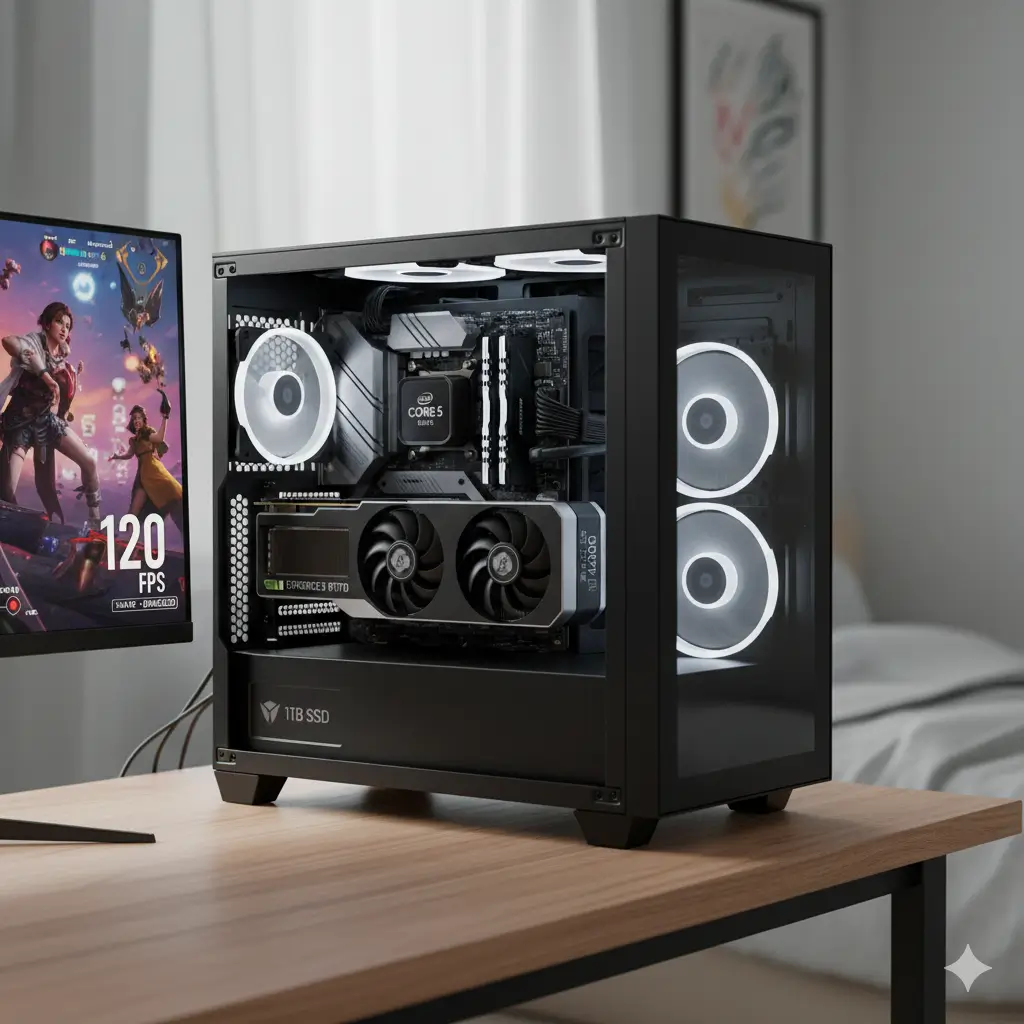

5 Best Entry Level Gaming PCs 2026 Gaming Net 1345610 . Brand New Entry Level Gaming PC Ryzen 5 RTX 3060 Windows 11 Pro Jawa. Building The Perfect Entry Level Gaming PC For Beginners Technoid Building The Perfect Entry Level Gaming PC For Beginners . 8 Best Gaming PCs For 2026 Ultimate Buyer S Guide The Budget Gaming Pc 2026.webp. Quale PC Gaming Scegliere Nel 2026 Zendia Zendia Pc Gaming Blog Cb70d7a7 6556 4c25 A230
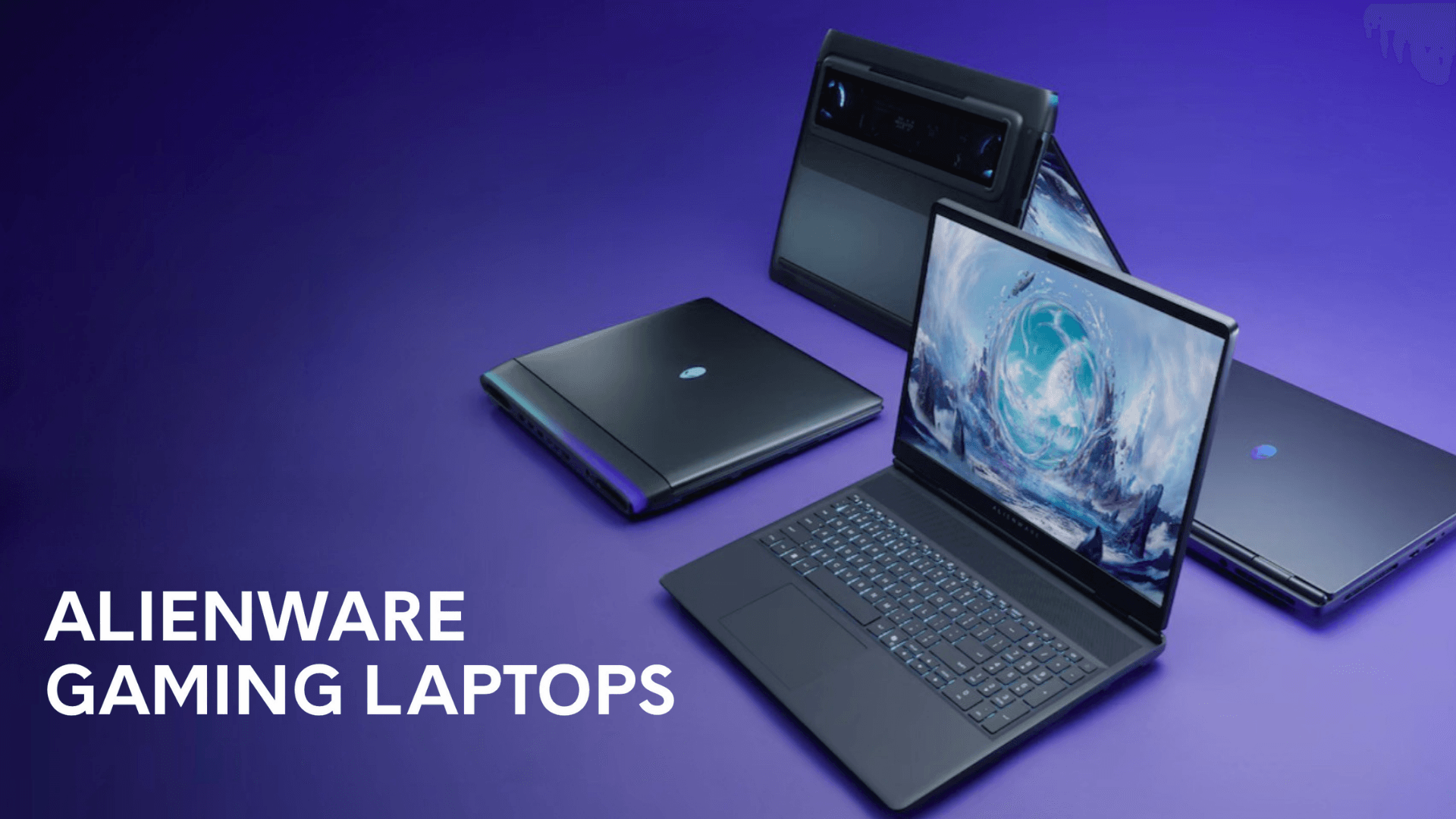

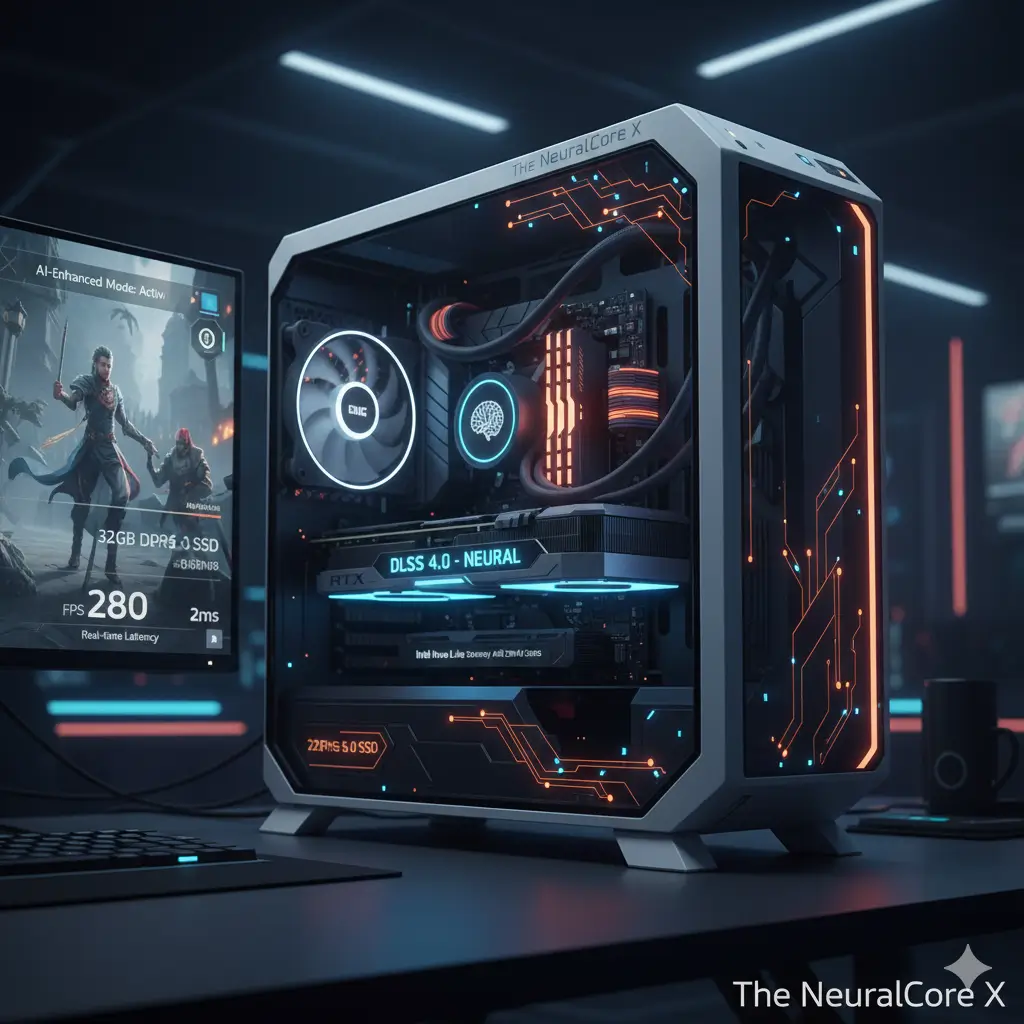
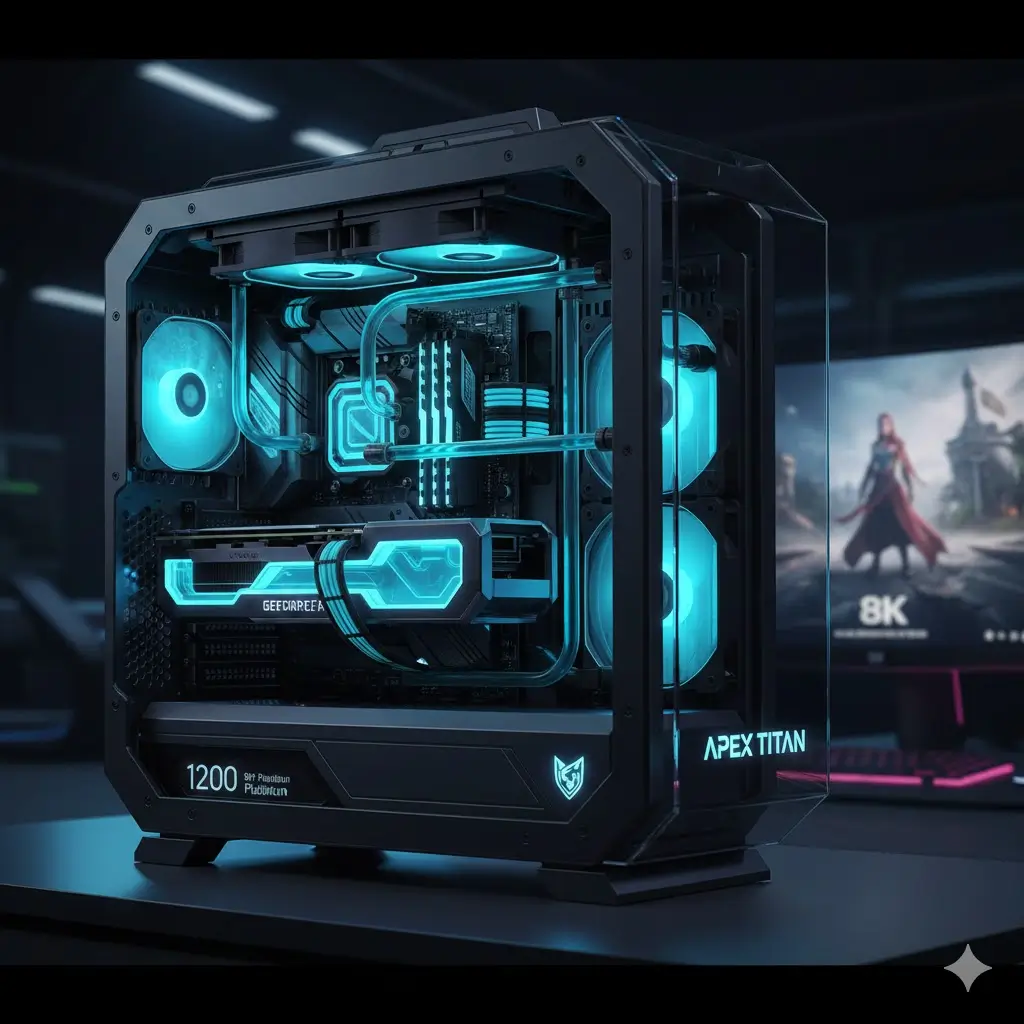
Dell Unveils Ultra Slim And Entry Level Alienware Gaming Laptops At CES Alienware 38e863a74e . 5 Best Entry Level Gaming PCs Gaming Net HP Pavilion 1 . 8 Best Gaming PCs For 2026 Ultimate Buyer S Guide Best Gaming Pc 2026 The Neuralcore X.webp. 8 Best Gaming PCs For 2026 Ultimate Buyer S Guide Best Gaming Pc The Apex Titan 2026.webp. The Beginner S Best Friend What S An Entry Level Gaming PC Modern Gamer Whats An Entry Level Gaming PC
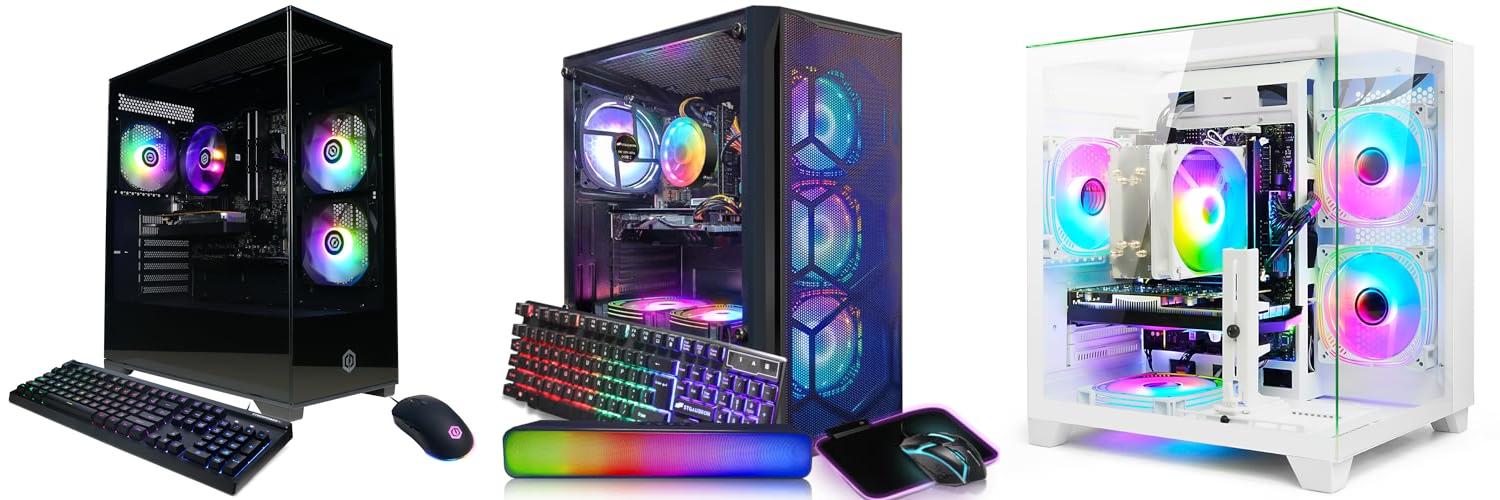

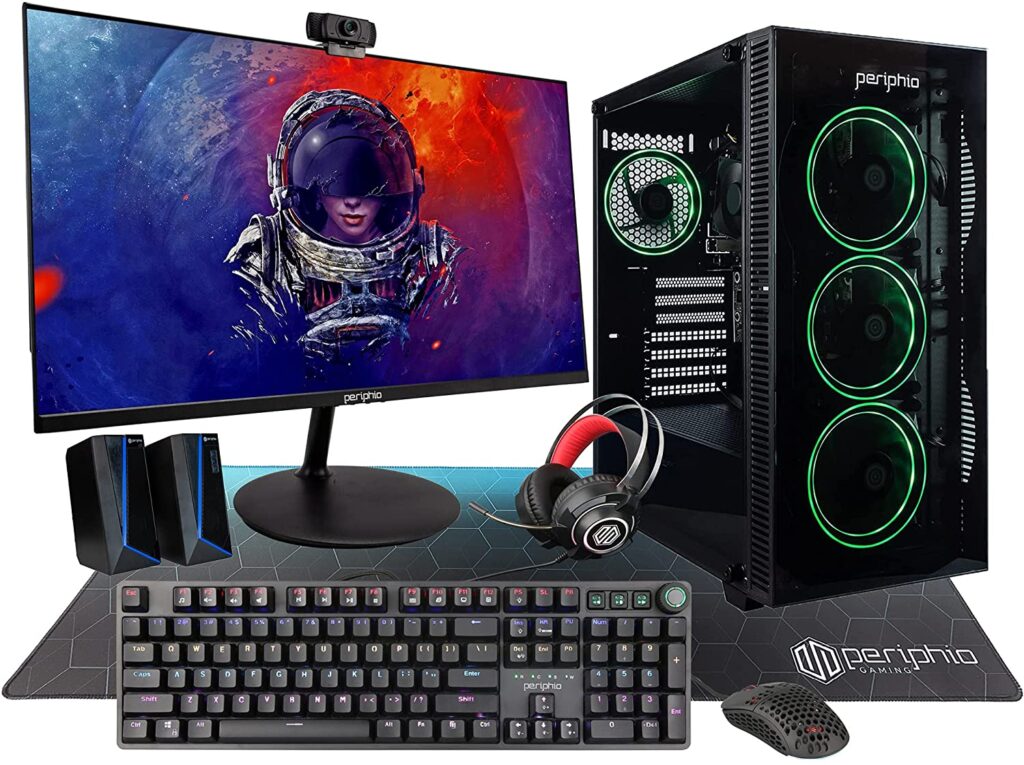
Are Budget GPUs Dead Why Entry Level Gaming PCs Are Getting More Expe 6 . Top 5 Entry Level Gaming Desktops Your Guide Entry Level Gaming Desktop Combined Image . Best Gaming PC Builds For 2026 Best Gaming PC Builds For 2026.webp. Entry Level Gaming Pc Laptop Periphio Entry Level Gaming PC With I5 6500 1024x765 . Acer Nitro 16 Review Entry Level Gaming Excellence Tom S Hardware


5 Best Entry Level Gaming PCs 2026 Gaming Net 655392 1115x628 . 8 Best Gaming PCs For 2026 Ultimate Buyer S Guide Best Gaming Pc 2026 The Balanced. Best Mid Entry Level Gaming Pc Core I5 6th Rx 470 8g Graphics 16gb . Entry Level Gaming PC Guide The Best Parts To Pick For Budget Gaming Thermaltake Versa H17 . Best Gaming PC Builds For 2026 Gaming Gear Labs Img Best Gaming Pc Builds For 2026 A Guide To Top Entry Level Prebuilt Specs For 108 10.webp


Best Gaming PC Builds For 2026 Gaming Gear Labs Img Best Gaming Pc Builds For 2026 A Guide To Top Entry Level Prebuilt Specs For 108 3.webp. Best Gaming PC Builds For 2026 Gaming Gear Labs Img Best Gaming Pc Builds For 2026 A Guide To Top Entry Level Prebuilt Specs For 108 0.webp. Best Gaming PC Builds For 2026 Gaming Gear Labs Img Best Gaming Pc Builds For 2026 A Guide To Top Entry Level Prebuilt Specs For 108 17.webp. Best Gaming PC Builds For 2026 Gaming Gear Labs Img Best Gaming Pc Builds For 2026 A Guide To Top Entry Level Prebuilt Specs For 108 24.webp. 5 Best Entry Level Gaming PCs 2026 Gaming Net INSIDE BT 22



5 Best Entry Level Gaming PCs 2026 Gaming Net INSIDE BT 23 . The Ultimate Gaming PC Build 2026 Guide By Xidax 1 Unnamed . 5 Best Entry Level Gaming PCs 2026 Gaming Net Gg 29 . 5 Best Entry Level Gaming PCs 2026 Gaming Net Razer R1 Edition By Maingear . 5 Best Entry Level Gaming PCs 2026 Gaming Net Gamin.net 2022 05 400x240
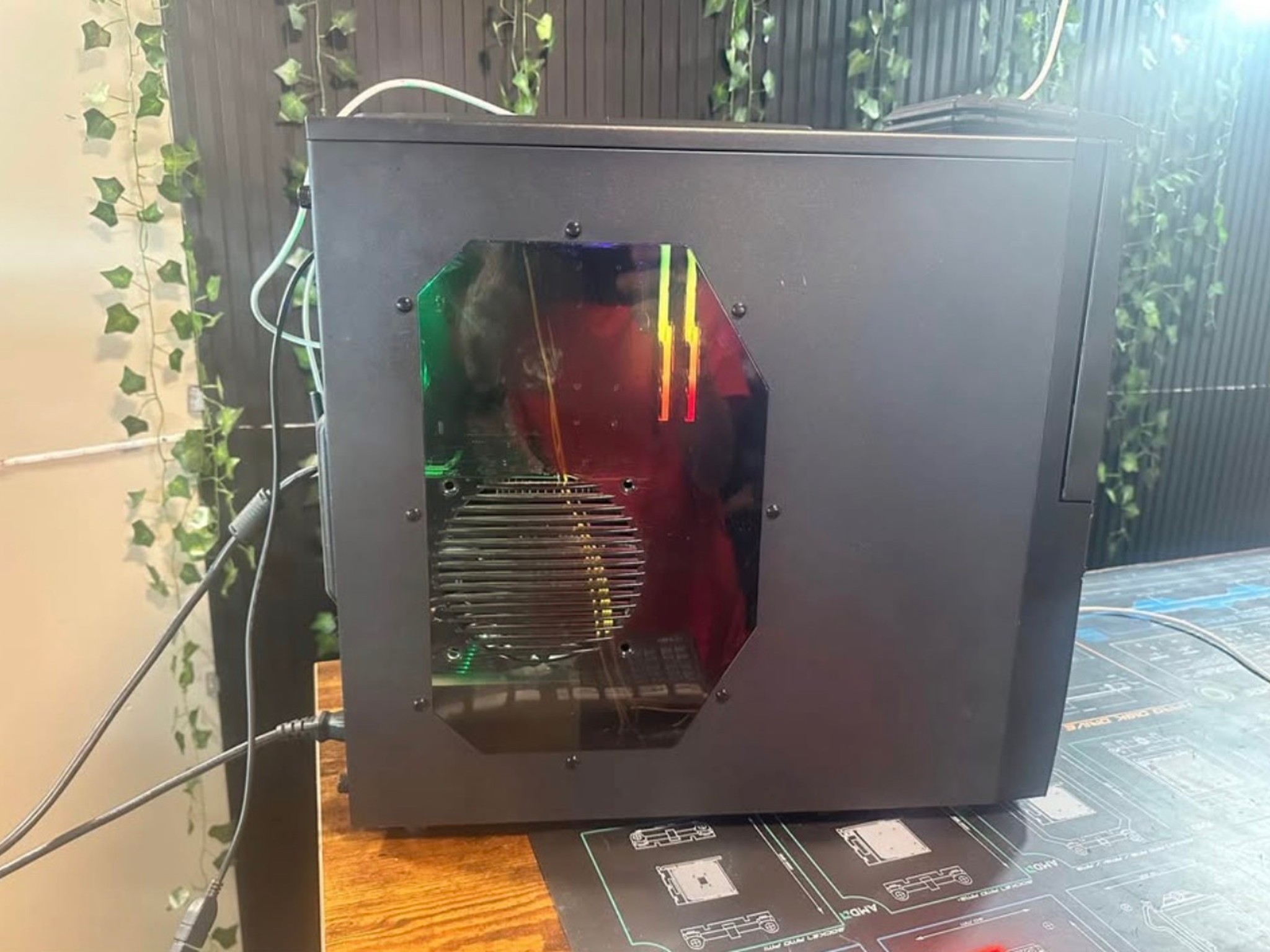
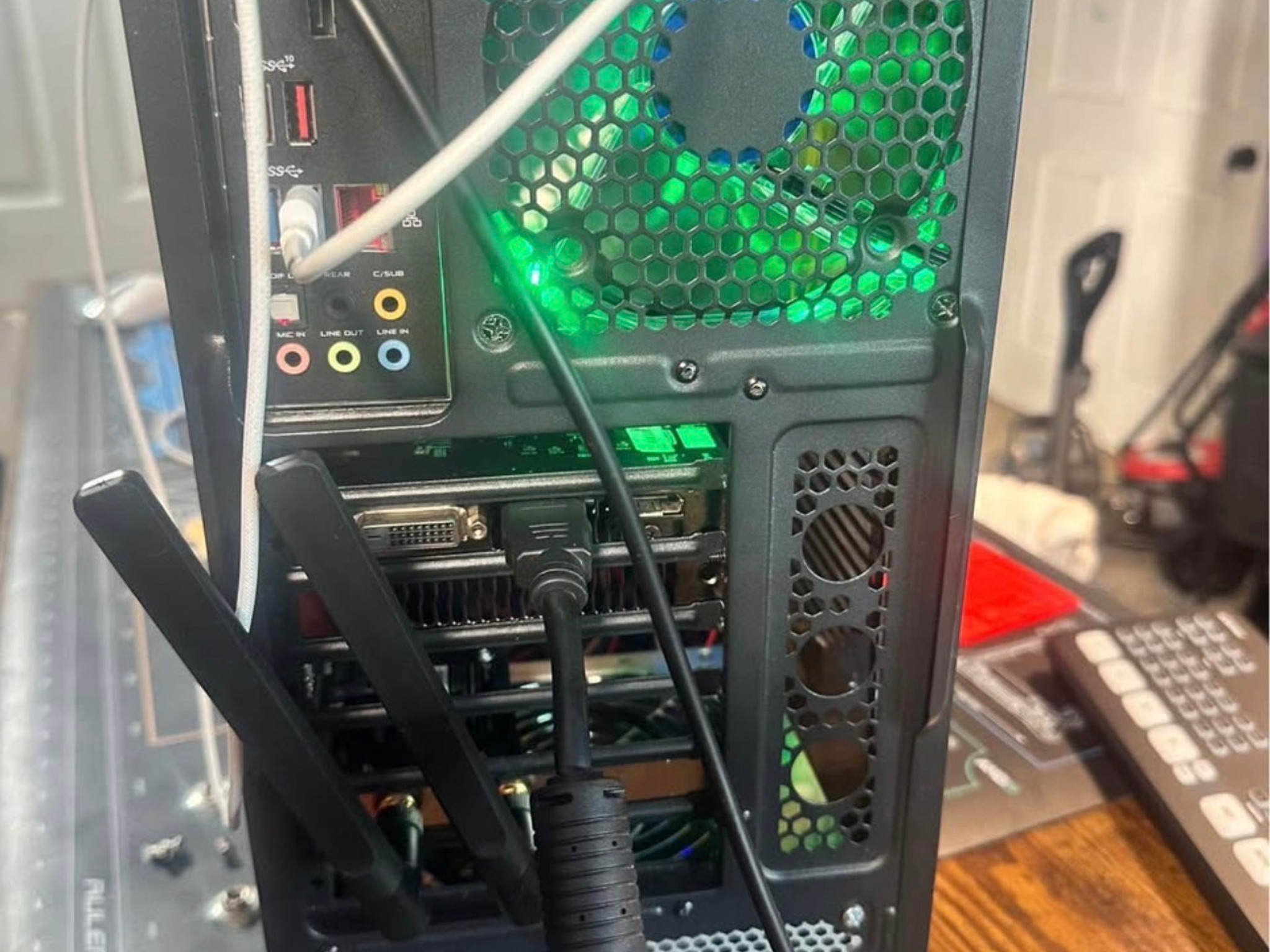
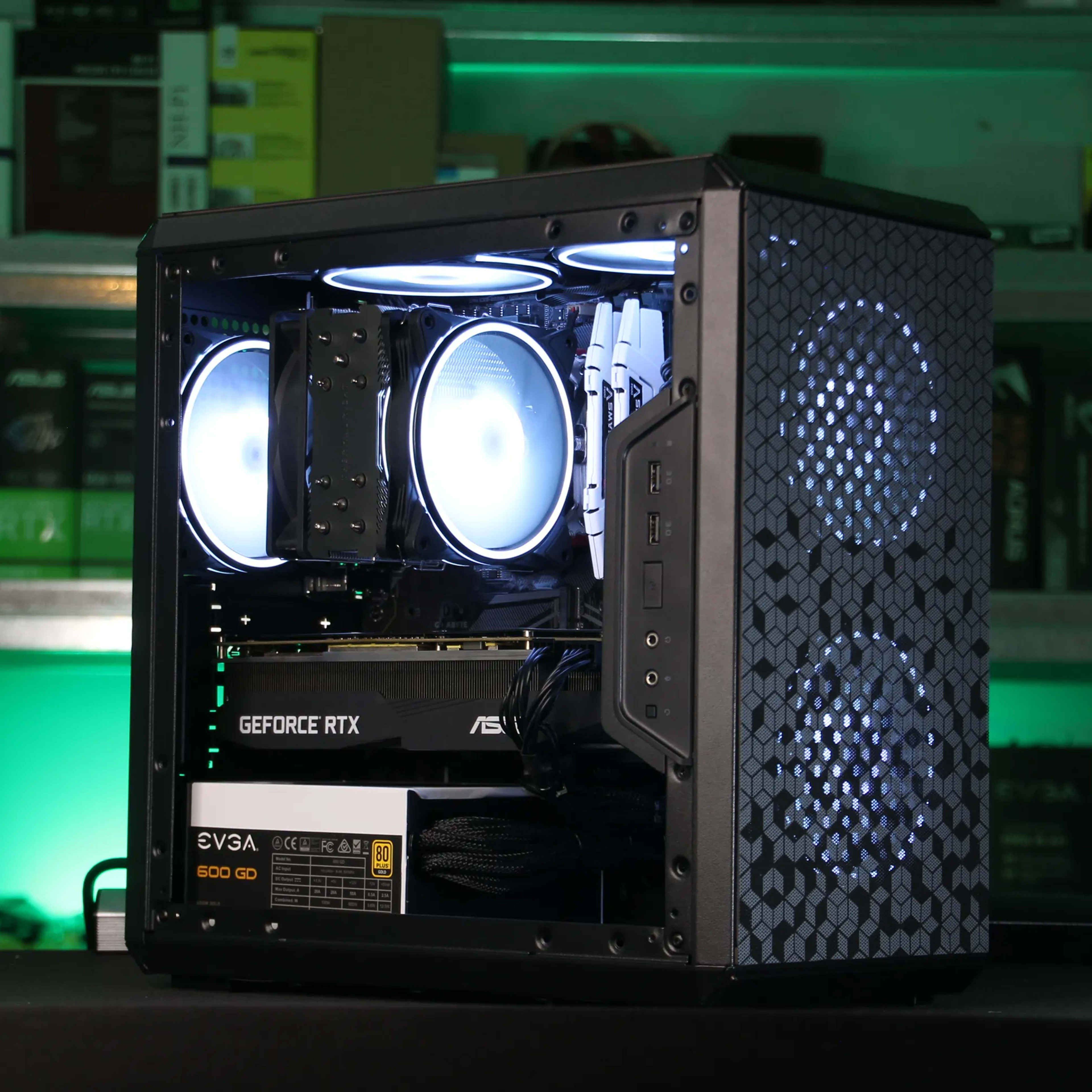

Entry Level Gaming PC Jawa. Entry Level Gaming PC Jawa. Entry Level Gaming PC Jawa. FLCN Ryzen 5 3600 RTX 2070 Entry Level Gaming PC Jawa. The Best Gaming PC Of 2026 Top Prebuilt Desktops Gaming Pc