Navigating the world of PC budget gaming in 2026 can feel like a quest for hidden treasure, especially when balancing a job, family, and the desire to unwind with a great game. This comprehensive guide is designed for the modern gamer, typically around 36 years old, who values smart spending without compromising on fun or performance. We'll explore trending strategies for building and optimizing an affordable gaming setup, ensuring you get the most bang for your buck amidst rising component costs. Discover how to tackle common pain points like performance issues on older hardware, find quality game recommendations that fit a busy schedule, and engage with vibrant gaming communities. We will cover everything from selecting the right components to maximizing in-game settings, proving that elite gaming experiences are not exclusive to those with limitless budgets. Stay current with 2026 trends, understand value for money, and elevate your play without the hype, all while making your PC budget gaming dreams a reality. This resource provides actionable advice to enhance your gaming journey, making it more enjoyable and less stressful.
Related games- How to Get a Soundboard for Roblox Easy Guide
- Guide: How to Build Games on Roblox in 2026
- GTA 5 Horse Race Pick 6: Winning Odds Guide
- Guide To Your AMD Ryzen 9 PC: Max Performance
- Guide CyberPower PC Gaming Master Your Ultimate PC
Q: What are the absolute minimum specs for a decent PC budget gaming experience in 2026?
A: For a decent PC budget gaming experience in 2026, you'll want at least an AMD Ryzen 3 3100 or Intel Core i3-10100F CPU, paired with an NVIDIA GeForce GTX 1650 or AMD Radeon RX 6400 GPU. You'll also need 8GB of DDR4 RAM and a 256GB NVMe SSD for your operating system and a few games. This setup will manage most esports titles and older AAA games at 1080p on low-to-medium settings.
Q: How can I find the best deals on PC components for a budget build?
A: To find the best deals, consistently monitor price tracking websites like PCPartPicker, camelcamelcamel, or Newegg's Shell Shocker deals. Subscribe to newsletters from major retailers (Amazon, Best Buy, Micro Center) for flash sales. Consider buying refurbished components from reputable vendors with warranties. Used components via Reddit's r/hardwareswap or local marketplaces can also offer significant savings, but always exercise caution and verify sellers.
Q: Are pre-built budget gaming PCs worth it, or should I build my own?
A: For budget gaming, building your own PC generally offers better value and more control over component selection. However, pre-built systems can be a good option if you find a strong sale, especially during holiday periods, or if you prefer the convenience of a ready-to-use system with a single warranty. Always compare component-by-component costs with a DIY build before committing to a pre-built.
Q: What are some common mistakes budget gamers make when building a PC?
A: Common mistakes include underestimating the PSU wattage, neglecting SSD storage in favor of cheaper HDDs, choosing an incompatible motherboard/CPU combination, or buying a low-quality case with poor airflow. Another frequent error is prioritizing an expensive CPU over a more balanced GPU-focused build, which is crucial for gaming performance. Always research component compatibility and reviews.
Q: How can I optimize my existing older PC for budget gaming without major upgrades?
A: You can optimize your older PC by ensuring all drivers (especially GPU) are up to date, cleaning out dust for better airflow, adding an SSD if you don't have one, and upgrading RAM to 16GB if possible. Also, tweak in-game graphics settings to prioritize frame rate, close unnecessary background applications, and use Windows Game Mode for performance boosts.
Q: Which free-to-play games offer the best experience for PC budget gaming in 2026?
A: For PC budget gaming in 2026, top free-to-play titles offering excellent experiences include Valorant, Apex Legends, Genshin Impact, and Counter-Strike 2. These games are well-optimized for a wide range of hardware, provide engaging gameplay, have active communities, and offer countless hours of fun without an upfront purchase, aligning perfectly with budget-conscious gamers' needs.
Q: Is it better to buy a used high-end GPU or a new budget GPU for my PC budget gaming build?
A: For PC budget gaming, it's often better to buy a used high-end GPU from a previous generation than a new entry-level GPU. A used RTX 3070 or RX 6700 XT, for example, will likely offer significantly better performance than a new RTX 3050 for a similar price. However, ensure the used GPU is from a reputable seller, ideally with some form of warranty or return policy, and thoroughly test it upon arrival.
Are you a gamer who craves the immersive worlds and competitive thrills of PC gaming, but finds yourself constantly weighing the cost against life's other demands? You are not alone. For many US gamers, often juggling careers, families, and adult responsibilities, the idea of building or upgrading a gaming PC can feel daunting. The good news is, in 2026, PC budget gaming is not just possible; it is a thriving, strategic pathway to incredible experiences. With 87% of US gamers playing regularly, and many dedicating 10+ hours a week, finding that sweet spot between performance and price is more crucial than ever. This guide is crafted for you – the busy adult gamer who wants to relax, have fun, perhaps even build skills or socialize online, all without breaking the bank.
Forget the hype and the endless chase for the latest, most expensive hardware. We're here to talk about smart choices, clever optimizations, and how to stay current with popular trends like social and cozy games, free-to-play titles, and even esports viewing, all on a budget. We'll address those common pain points head-on: the struggle of setting up new hardware, battling performance hiccups, finding games that respect your limited time, and making smart upgrade decisions. This article will arm you with the knowledge to build a powerful yet affordable rig, get the most out of your existing setup, and connect with fellow enthusiasts. Let's dive into the world of PC budget gaming and unlock your ultimate gaming potential.
What Exactly Is PC Budget Gaming in 2026?
PC budget gaming refers to building or acquiring a personal computer setup that delivers a satisfying gaming experience without costing an exorbitant amount of money. In 2026, this typically means a system capable of running most modern games at 1080p resolution with respectable frame rates (60fps is a common target) on medium to high settings, all while keeping the total cost of components, including peripherals, within a realistic, affordable range for the average consumer. It is about making smart compromises and prioritizing components that offer the best performance-to-price ratio, rather than chasing absolute top-tier hardware.
How Much Should I Spend on a Budget Gaming PC in 2026?
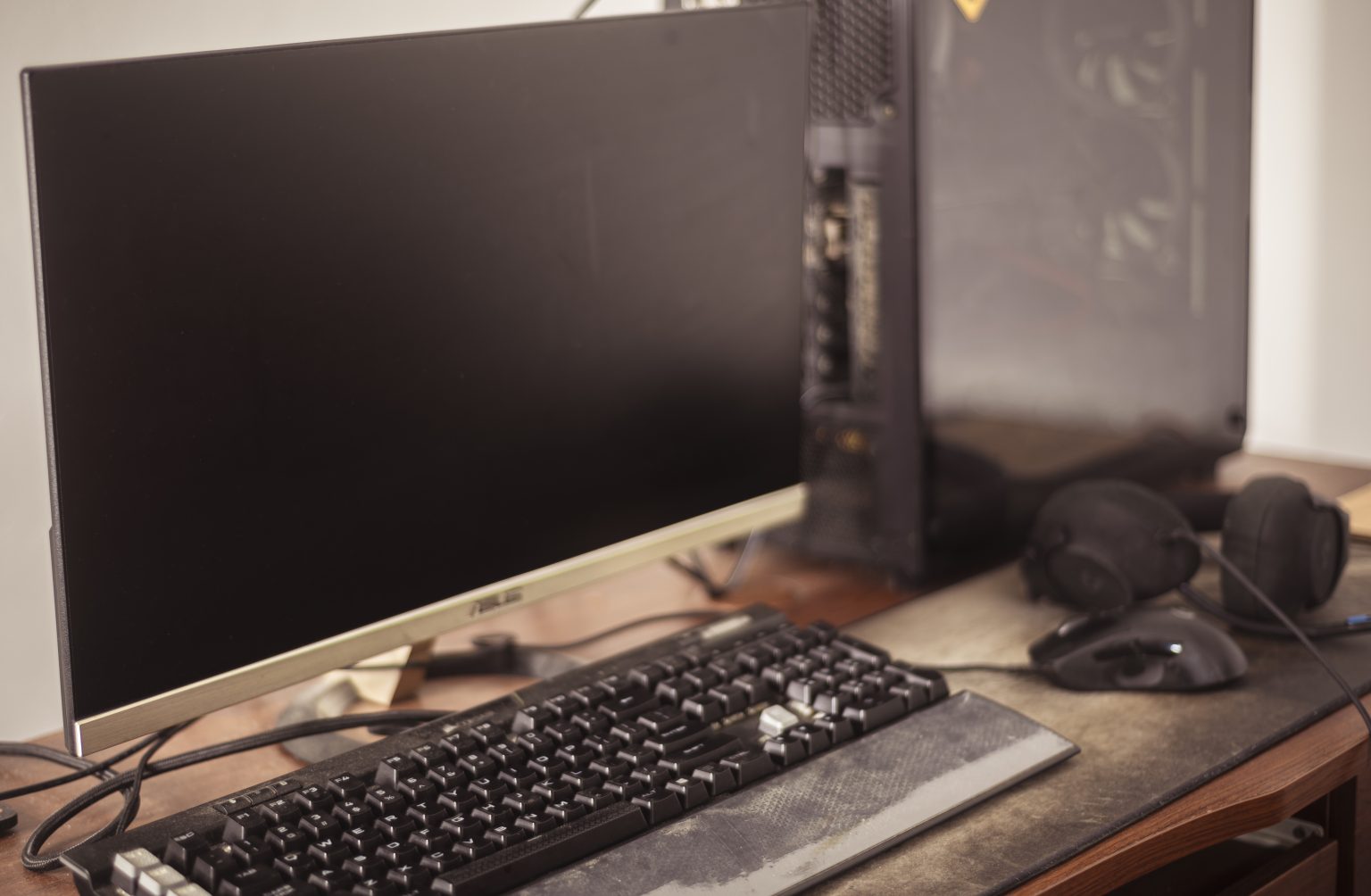
In 2026, a realistic budget for a capable PC budget gaming build typically ranges from $600 to $1000 USD. This range allows for a new, competent system that can handle most titles at 1080p. While you might find pre-built options or deals slightly below $600, performance will likely see significant compromises. Conversely, exceeding $1000 quickly pushes you into mid-range territory. Remember, your budget should account for not just the PC components but also essential peripherals like a monitor, keyboard, mouse, and headset, which can add another $150-$300 to the total cost. Savvy shoppers can often find excellent deals on refurbished monitors or used peripherals to stretch their budget further.
What Are the Essential Components for a 2026 Budget Gaming PC?
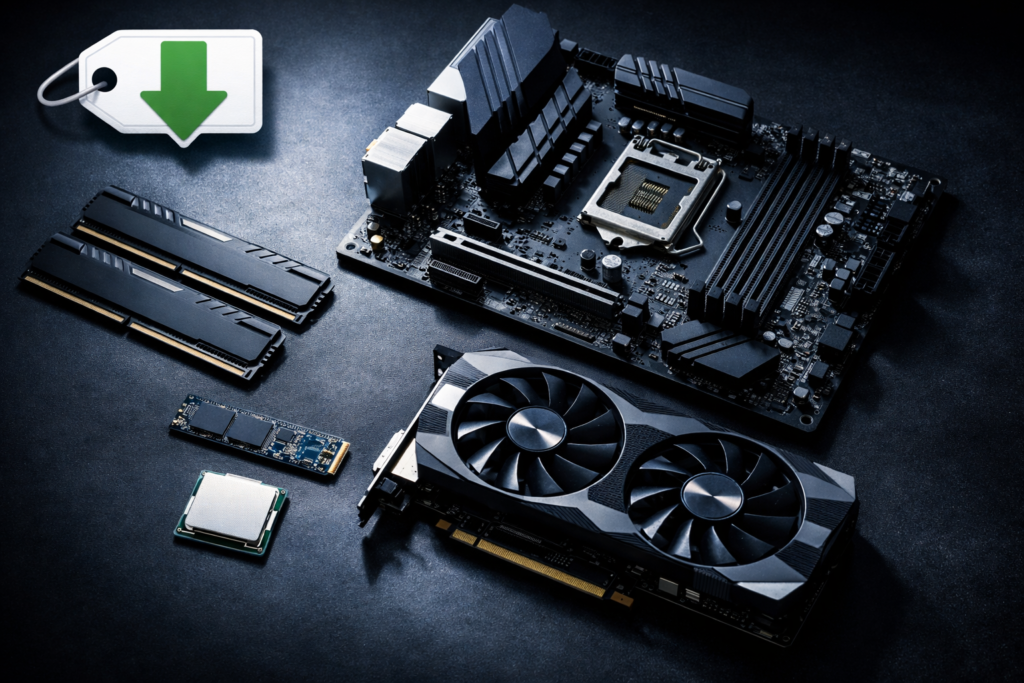
Building a budget gaming PC means focusing on core components that deliver the most impact per dollar. Here's a breakdown:
- CPU (Processor): Look for mid-range options from AMD (Ryzen 5 series) or Intel (Core i5 series, current or previous generation). These provide excellent multi-threading performance for gaming and everyday tasks without overspending.
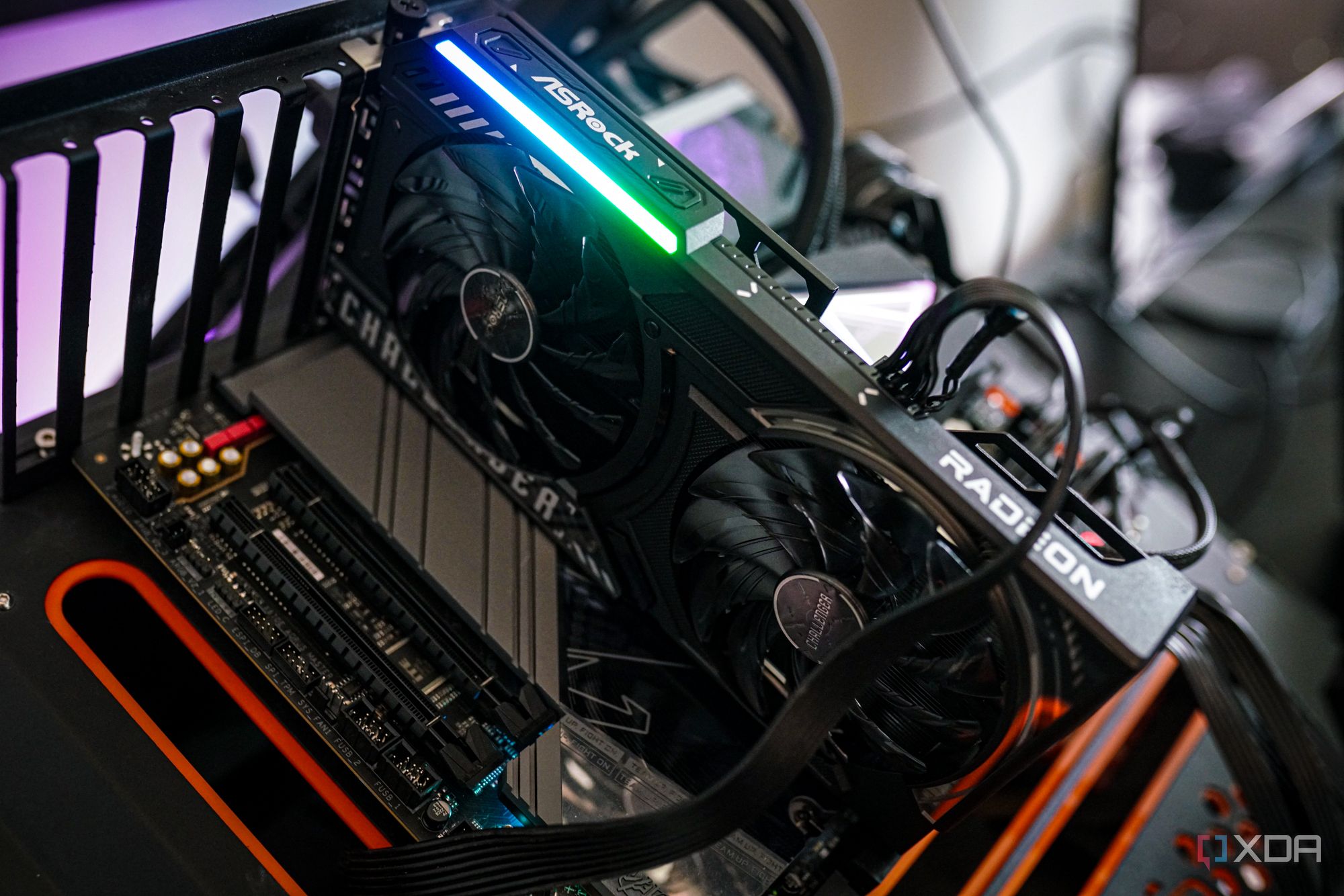
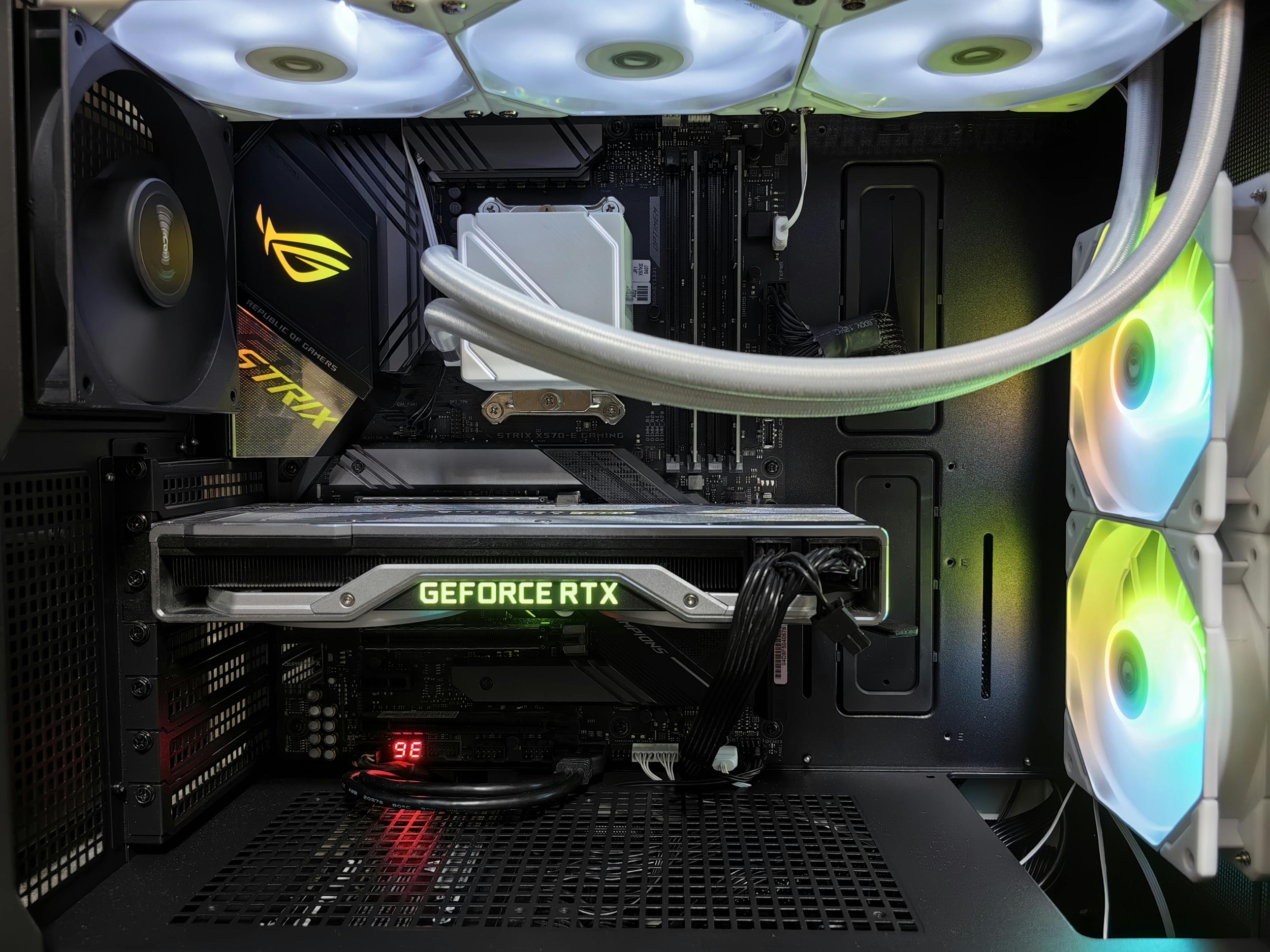
- GPU (Graphics Card): This is often the most critical and expensive component. Aim for a GPU that offers solid 1080p performance. Popular choices include NVIDIA's RTX 3050/4050 or AMD's RX 6600/7600. Keep an eye out for sales and refurbished cards from reputable vendors.
- RAM (Memory): 16GB of DDR4 RAM is the sweet spot. While 8GB can work for some titles, 16GB ensures smoother multitasking and future-proofs your system for upcoming games. Aim for speeds of 3200MHz or higher.
- Storage: A 500GB or 1TB NVMe SSD is highly recommended for your operating system and primary games. The speed difference compared to traditional HDDs is monumental, significantly reducing load times. You can always add a larger, slower HDD for bulk storage later.
- Motherboard: Choose a motherboard compatible with your selected CPU, offering adequate ports and expansion slots for your needs. Avoid entry-level boards that might limit future upgrades.
- Power Supply Unit (PSU): Do not skimp here! A reliable 80 Plus Bronze or Gold certified PSU with sufficient wattage (550W-650W is usually ample for budget builds) protects your components.
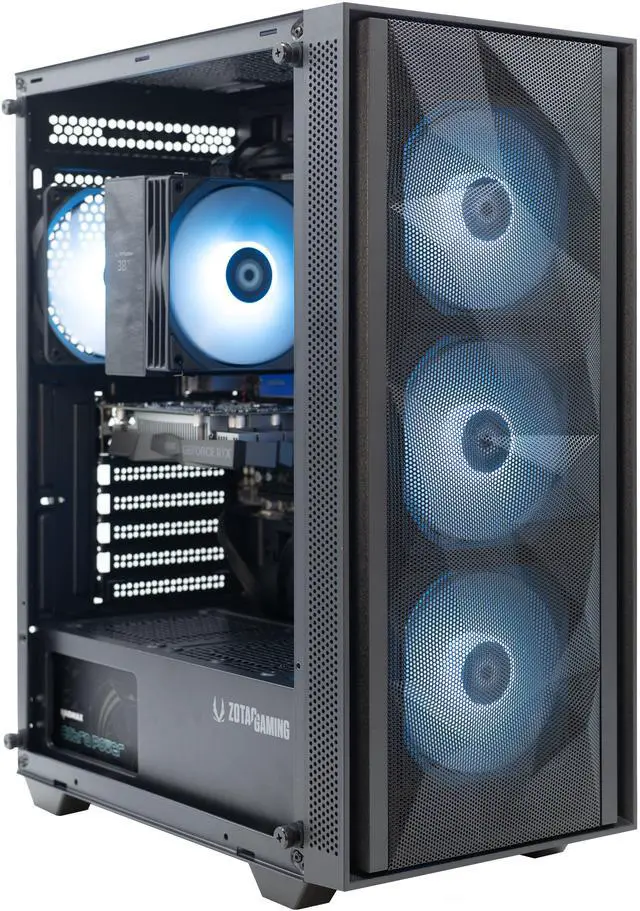
- Case: Functionality over flash. Select a case with good airflow and cable management options.
Can I Upgrade My Old PC to Be a Budget Gaming Rig?
Absolutely! Upgrading an older PC for budget gaming is a fantastic way to save money, especially if your current system has a decent CPU and motherboard. Many Gen Z and Millennial gamers, who often have older desktops from college or work, find this a practical path. Here’s what to consider:
- Assess Your Current Hardware: Use tools like CPU-Z or Speccy to identify your CPU, RAM type, and motherboard.
- GPU Upgrade: This is often the biggest bottleneck. Check if your PSU has enough wattage and PCIe power connectors for a new budget GPU (like an RTX 3050 or RX 6600).
- Add/Upgrade RAM: If you have 8GB or less, upgrading to 16GB can provide a noticeable performance boost.
- SSD Installation: If you are still running on a hard drive, adding an NVMe or SATA SSD for your operating system and games will transform your PC's responsiveness.
- Clean and Optimize: Dust out your case, ensure proper airflow, update drivers, and perform a fresh Windows installation for optimal performance.
This month, many gamers are leveraging older Intel i7 6th-9th gen or AMD Ryzen 1st/2nd gen systems, pairing them with newer budget GPUs to get surprisingly good 1080p results, perfect for popular free-to-play titles or social games with friends on Discord.
What Are the Best Budget-Friendly Games for PC Gamers in 2026?
The gaming landscape in 2026 offers a treasure trove of budget-friendly options that cater to every taste, whether you're into social gaming, competitive esports, or relaxing single-player adventures. Free-to-play (F2P) titles continue to dominate, providing countless hours of entertainment without an upfront cost. Popular examples include:
- Esports & Competitive: Valorant, Apex Legends, League of Legends, Counter-Strike 2. These games are optimized for performance on a wide range of hardware and offer deep competitive play, often with active communities.
- Social & Cozy Games: Palia, Genshin Impact, and various indie titles on platforms like Steam are excellent for unwinding or playing with friends. Many offer cross-play with mobile and consoles, aligning with current trends where mobile gaming is often a companion to PC/console.
- Older AAA Titles: Do not overlook sales on classic AAA games! Titles from a few years ago (e.g., The Witcher 3, Doom Eternal, Grand Theft Auto V) are often heavily discounted and still provide incredible experiences with far less demanding hardware requirements than today's newest releases.
- Xbox Game Pass PC: A subscription service offering a vast library of games for a monthly fee. This is a fantastic value for money, giving you access to many new and classic titles without buying each one individually.
Focus on games that emphasize community and fun rather than hyper-realistic graphics to truly maximize your budget gaming experience.
How Can I Optimize My Budget PC for Better Performance?
Even with budget hardware, smart optimization can significantly improve your gaming experience. Many gamers overlook these crucial steps, leading to frustrating performance issues.
- Update Drivers Regularly: Always keep your graphics card drivers (NVIDIA GeForce Experience or AMD Adrenalin), chipset drivers, and Windows up to date. This can yield substantial performance gains and stability improvements.
- Adjust In-Game Settings: Experiment with graphics settings. Lowering resolution scaling, shadow quality, anti-aliasing, and texture quality can have a massive impact on frame rates. Prioritize frame rate over visual fidelity for competitive games.
- Close Background Applications: Before launching a game, close unnecessary apps like web browsers, streaming services, and background processes to free up RAM and CPU resources.
- Monitor Temperatures: Overheating can lead to throttling and performance drops. Use monitoring software (e.g., HWMonitor, MSI Afterburner) to check CPU and GPU temperatures. Ensure your case has good airflow and clean dust from fans regularly.
- Windows Optimization: Use Windows Game Mode, disable unnecessary startup programs, and consider tweaking power settings to 'High Performance.'
- Overclocking (Cautiously): If comfortable, mild GPU or CPU overclocking can offer a small but noticeable performance bump, but only do so with adequate cooling and research.
Is Cloud Gaming a Viable Option for Budget Gamers in 2026?
Cloud gaming services like GeForce NOW and Xbox Cloud Gaming are becoming increasingly viable and appealing for budget gamers in 2026, especially for those prioritizing convenience and access over ownership. With mobile dominance influencing how we consume media, and cross-play becoming standard, cloud gaming offers a seamless way to play high-end titles on virtually any device with a stable internet connection. You essentially stream the game from powerful remote servers, bypassing the need for expensive local hardware. This is perfect for gamers who want to experience the latest AAA titles without investing in a new GPU or dealing with setup issues. While a stable, high-speed internet connection is a must, it's a fantastic solution for exploring new games, socializing with friends who play demanding titles, or simply trying out a game before committing to a purchase or hardware upgrade. It significantly lowers the barrier to entry for many new and existing gamers.
How Do I Balance My Gaming Hobby with Work and Family Life?
This is a common challenge for many adult gamers. Balancing gaming with jobs and families requires intentional effort and communication, but it is entirely achievable. Think of gaming as a form of self-care or social connection, similar to other hobbies. Here are some tips:
- Schedule Your Sessions: Treat gaming time like any other appointment. Dedicate specific blocks of time, whether it is an hour after the kids are asleep or a longer session on a weekend afternoon.
- Communicate with Loved Ones: Let your family know when you plan to game. This avoids misunderstandings and shows respect for their time, making your gaming more enjoyable.
- Prioritize Social Gaming: If your time is limited, focus on multiplayer sessions with friends. It combines relaxation with social connection, often making the most of your available time. Many gamers use Discord to coordinate these sessions.
- Short Play Sessions: Embrace games that are conducive to shorter playtimes. Many indie games, roguelikes, or even daily quests in F2P titles can be satisfying in 30-60 minute bursts.
- Set Boundaries: Learn when to step away. Gaming should be a stress reliever, not another source of stress.
Remember, gaming is a hobby that can provide stress relief and social interaction, crucial for overall well-being. Finding this balance ensures it remains a positive part of your life.
Conclusion: Your Budget Gaming Journey Starts Now
Building or optimizing a PC for budget gaming in 2026 is an incredibly rewarding endeavor. It proves that you do not need an unlimited budget to enjoy high-quality gaming experiences, connect with friends, or simply unwind after a long day. By making smart component choices, understanding the value of optimization, and embracing the vast world of affordable and free-to-play titles, you can create a gaming setup that perfectly balances performance, cost, and your lifestyle. Remember, the goal is not to have the most expensive rig, but the most enjoyable and practical one for *you*. We have covered everything from selecting the right hardware to managing your gaming time effectively, ensuring you are well-equipped for your journey.
What's your biggest gaming challenge with a limited budget? Comment below! We love hearing from our community and sharing solutions.
FAQ Section
Q: Is PC budget gaming still relevant with consoles?
A: Yes, PC budget gaming remains highly relevant. While consoles offer convenience, PCs provide greater versatility, access to a wider game library (including many F2P titles not on consoles), modding capabilities, superior upgrade paths, and better performance potential at various price points, especially for competitive titles and creative work.
Q: What are the best places to buy budget gaming PC parts?
A: Reputable online retailers like Amazon, Newegg, Best Buy, and Micro Center are excellent for new parts. For used or refurbished components, check eBay (from trusted sellers), r/hardwareswap on Reddit, or local marketplaces like Facebook Marketplace and Craigslist, always exercising caution and verifying seller reputation.
Q: How important is cooling in a budget gaming PC?
A: Cooling is very important, even in a budget PC. Adequate cooling prevents thermal throttling, which can significantly reduce performance, and prolongs component lifespan. A few well-placed case fans and a decent CPU cooler (often included with budget CPUs, but an aftermarket air cooler is better) are crucial.
Q: Can I stream games from a budget gaming PC?
A: Yes, many budget gaming PCs are capable of streaming, though with some caveats. Modern GPUs often have dedicated encoders (like NVIDIA's NVENC or AMD's AMF) that reduce the performance impact on your CPU. You might need to lower game settings or streaming quality, but it's definitely possible for casual streaming or co-streaming with friends.
Q: What is the average lifespan of a budget gaming PC before needing upgrades?
A: A well-built PC budget gaming rig typically has a lifespan of 3-5 years before major upgrades (like a new GPU or CPU) are needed to maintain playable performance in newer titles. Minor upgrades like adding more RAM or storage can extend its life and relevance for longer, especially if you focus on less demanding games or indie titles.
Q: Should I buy a pre-built or build my own budget gaming PC?
A: Building your own often offers better value, allowing you to choose specific components and learn valuable skills. However, pre-built PCs can sometimes be competitive on price, especially during sales, and offer convenience with warranty support. For budget gaming, comparing custom build costs against pre-built deals is always a smart move.
Unlock affordable high-performance PC gaming. Learn smart component selection for budget builds. Discover optimization tricks for smooth gameplay. Find trending budget-friendly game recommendations. Join vibrant social gaming communities without overspending. Balance gaming passion with life's demands efficiently. Stay updated on 2026 hardware and software trends.
35


Best Gaming PC Builds For 2026 Best Gaming PC Builds For 2026.webp. Best Budget Gaming PC Builds For 2026 500 800 Best Budget Gaming PC Builds For 2026.webp. Best Budget Gaming PC Build In India For 2026 Affordable Rs 30 000 Best Budget Gaming PC Build In India For 2026 . 8 Best Gaming PCs For 2026 Ultimate Buyer S Guide Best Gaming Pc 2026 The Neuralcore X.webp. Budget Gaming Ist Auch 2026 M Glich Diese PC Kostet Budget Pc 900 Euro Deal Teaser 6402994
Budget Gaming PC Build 2026 Best Setup Under 700 BudgetPC 768x512 . Best Gaming PC Builds For Every Budget 2026 Budget Pc Minimal RGB 1024x559 . The Only Budget Gaming PC You Need For 2026 Rx 9060 Xt Review 13 . How To Build Gaming PC Guide 2026 Step By Step Budget Gaming PC 2026 Gaming Pc . Budget Vs High End Gaming PCs Compared Gaming Slick Desktop Computer Workstation Close Up Photo Keybo 2026 03 09 22 26 21 Utc 1536x1004

Best Budget Gaming PC 2026 Ryzen 5 5600 DDR4 Value Geeky Gadgets 0p Gaming Benchmarks Budget Rig.webp. Best Budget Gaming PC 2026 5 Builds That Won T Break Lz 56 300x205 . Budget Gaming PC Build 2026 How To Build Without Overpaying For RAM 20260402 1738 Image Generation Simple Compose 1024x683 . Budget Gaming PC Build 2026 Full Parts List Under 1 000 Best Budget Gaming Pc Build 2026.webp. Rekomendasi PC Rakitan Terbaik Untuk Gaming Di 2026 Performa Maksimal Photo 2026 04 10 08 45 09




How To Build A Cheap Gaming PC Under 300 The Ultimate Budget Gamer S . AMD Ryzen 5 7600X3D PC Build Guide 2026 Gaming Gear Labs Image 92.webp. The Best Mini PCs At Budget In 2026 From Office Work To 4K Gaming. Best PC Builds For Gaming 2026 From 800 Budget Rigs To 4 SL160 . Best Budget Gaming PC Builds UK 2026 Under 800 Thumb Best Mid Range Gaming Pc Builds Uk 2026


2026 Budget 4K Gaming PC Build Under 2 000 With RTX 6000 Series Unnamed File 371 . 2026 Budget 4K Gaming PC Build Under 2 000 With RTX 6000 Series Unnamed File 350 . 2026 Budget 4K Gaming PC Build Under 2 000 With RTX 6000 Series Unnamed File 372 . Best Budget Gaming PC Build 2026 High FPS Low Cost Gaming PC PC Pcbe Service 02 300x200 . Cheap And Good PCs For Gaming What You Can Expect In Image 1000x600


Best Budget Gaming PC Builds UK 2026 Under 800 Thumb Best Budget Gaming Pc Builds Uk 2026 . How To Build A Budget Gaming PC In 2026 Complete Guide 83 218 106 07 . PC 2026 Rechner F R Jedes Budget Aufmacher Gaming PC Pcgh Artwork . Ultimate Guide To Gaming PCs For Every Budget In 2026 Gameania Record As A Pro In 2026 . 7 Most Worth It PC Gaming Components In 2026 Maximum Performance Cropped Pcgmingjpg

The Ultimate Gaming PC Build 2026 Guide By Xidax 1 Unnamed . Best Cheap Gaming PC In 2026 Top 5 Best Cheap Gaming PC In 2026 YouTube . 7 Best Budget Gaming PCs In 2026 Best Budget Gaming PC 150x84 . How To Build A Budget Gaming PC Top Tips And Best Picks For 2026 Budget Gaming PC . How To Build A 350 Budget Gaming PC In 2026 Geeky Gadgets Cyberpunk 2077 Running At 1080p Resolution On A Budget Pc Monitor