For many busy US gamers juggling work, family, and life, finding time for fun also means wanting to make that time count. Many wonder: can gaming improve reaction time in a meaningful way beyond the screen? This comprehensive guide dives into the science and practical applications of how video games sharpen your reflexes and cognitive processing speed. We explore specific game genres, reveal effective training strategies, and discuss how these enhanced skills translate into real-world benefits, from driving to daily tasks. Discover how to optimize your setup, choose the right games, and integrate performance-boosting practices without sacrificing your precious balance. This article offers actionable advice for gamers who want to level up their mental agility, understand the genuine cognitive gains from their favorite pastime, and make every gaming session a step towards better responsiveness, all while keeping up with the latest trends and smart spending. Get ready to turn your playtime into powerful brain training.
Can video games actually make your real-life reflexes better?
Yes, consistent engagement with video games, especially fast-paced genres, can significantly improve your real-life reflexes. Studies show that the enhanced hand-eye coordination, quick decision-making, and visual processing skills developed in games translate to faster reactions in everyday situations, from driving to sports and catching falling objects.
What types of games are best for improving hand-eye coordination and speed?
First-Person Shooters (FPS) like Valorant and Apex Legends, rhythm games such as Beat Saber, fighting games like Street Fighter, and competitive Real-Time Strategy (RTS) games are excellent for boosting hand-eye coordination and speed. These genres demand rapid visual processing, precise inputs, and quick tactical decisions under pressure.
How much gaming time is needed to see improvements in reaction time?
Research suggests that even moderate, consistent gaming can yield improvements. Short, focused sessions of 30-60 minutes a few times a week, especially with challenging titles or dedicated aim trainers, can lead to measurable gains. It's about quality and consistency of practice rather than just logging endless hours.
Does age affect how much gaming can improve reaction time?
While reaction time can naturally slow with age, gaming remains an effective tool for improvement across all adult age groups. Older gamers who play regularly often maintain faster reaction times than non-gamers their age, showing that the brain's plasticity allows for continued skill development and mitigation of age-related decline.
Are there any specific training routines using games to boost reaction time?
Absolutely. A great routine involves 10-15 minutes on a dedicated aim trainer (e.g., Aim Lab) focusing on flicking and tracking exercises, followed by 30-45 minutes in a fast-paced game (like an FPS deathmatch) applying those skills. Reviewing replays to identify slow reaction points also enhances training effectiveness.
What's the science behind why gaming improves reaction speed?
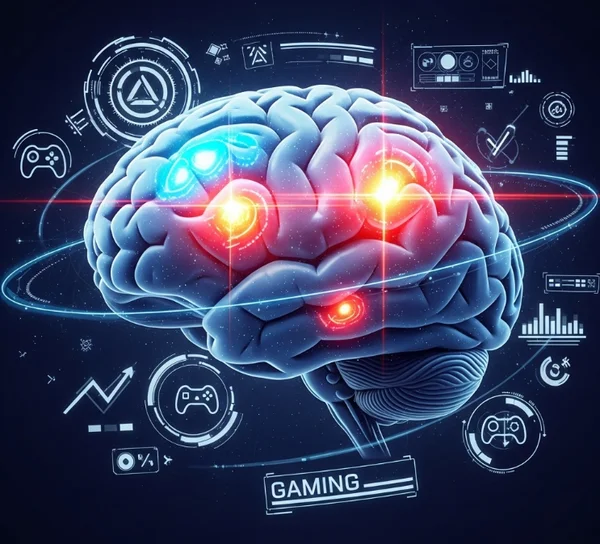
Gaming improves reaction speed by enhancing brain plasticity. Repeated exposure to rapid visual and auditory stimuli strengthens neural pathways responsible for perception, attention, and motor control. This constant cognitive workout leads to more efficient information processing and quicker, more accurate motor responses, essentially training your brain to react faster.
Beyond gaming, where else can improved reaction time from games be helpful?
Improved reaction time from gaming has broad real-world applications. It can enhance driving safety by enabling quicker responses to hazards, improve performance in sports, boost productivity in tasks requiring quick decision-making, and even increase overall situational awareness in daily life, making you generally more responsive to your environment.
Hey fellow gamers, ever feel like those split-second decisions in your favorite online shooter or the quick reflexes needed in a fast-paced indie title are more than just in-game prowess? You're not alone. In today's demanding world, where 87% of US gamers regularly dedicate an average of 10+ hours a week to their passion, we're always looking for ways to make our time count. For many of us balancing jobs, families, and life's endless to-do list, gaming isn't just about escape; it's about relaxation, fun, and yes, even skill-building. A question often pops up in Discord chats and late-night gaming sessions: can gaming improve reaction time? It's a question many of us, especially those around age 36, want to genuinely understand. We're not just talking about flashy hype; we want real answers that impact our performance both in and out of our gaming setups. You want to know if those hours spent perfectly timing a parry or nailing a headshot are actually making you sharper. The good news? The science says a resounding yes, but there's more to it than just logging hours. This guide is your no-nonsense resource, cutting through the noise to show you exactly how gaming can sharpen your reflexes, boost your cognitive functions, and even offer tangible benefits in your everyday life, all while keeping your budget and busy schedule in mind. We'll explore the 'hows' and 'whys,' discuss specific game genres, and share practical tips to maximize your gains. Let's dive in and unlock the hidden power of your favorite pastime.
What is Reaction Time and Why Does It Matter for Gamers?
Reaction time refers to the elapsed time between the presentation of a stimulus and the subsequent motor response. In simpler terms, it's how quickly you react to something you see, hear, or feel. For gamers, this isn't just a trivial metric; it's often the difference between victory and defeat. A faster reaction time means you can aim, dodge, or make critical decisions fractions of a second quicker than your opponent. This skill is crucial across almost all game genres, from competitive esports titles to single-player challenges that demand precision.
Beyond the game, improved reaction time contributes to better cognitive processing, enhanced attention, and superior hand-eye coordination. It's about more than just twitch reflexes; it involves quick information processing and decision-making under pressure. Understanding this foundation helps us appreciate how gaming genuinely contributes to a sharper mind.
How Exactly Can Gaming Improve Reaction Time?
Gaming improves reaction time primarily through repeated exposure to fast-paced, complex visual and auditory stimuli that demand quick cognitive and motor responses. This constant training hones several key cognitive functions. Your brain learns to process information more efficiently, making the neural pathways involved in perception and action faster. This process is a prime example of brain plasticity, where your brain adapts and reorganizes itself in response to new experiences.
Specifically, games often require you to track multiple moving objects, filter out distractions, predict opponent movements, and execute precise actions. This trains your visual attention, peripheral awareness, and decision-making under time constraints. Over time, these actions become almost second nature, resulting in noticeably quicker and more accurate responses. It is a continuous feedback loop where performance improves with consistent practice and challenge.
Which Game Genres Are Best for Boosting Reflexes?
While many games offer some level of reaction time training, certain genres excel at it due to their inherent design and demands. If your goal is to genuinely improve your reflexes, consider diving into these categories:
First-Person Shooters (FPS): Titles like Call of Duty, Apex Legends, and Valorant are reaction time powerhouses. They demand quick target acquisition, rapid decision-making in chaotic environments, and precise aiming. The fast-paced action and competitive nature constantly push players to react faster.
Rhythm Games: Games such as Beat Saber, Osu!, or Guitar Hero are excellent for audio-visual reaction time and timing. Players must react precisely to on-screen cues in sync with music, training both auditory and visual processing speeds.
Fighting Games: Street Fighter, Tekken, and Mortal Kombat require split-second reads of an opponent's moves, quick block/parry execution, and precise combo inputs. This genre hones anticipatory reflexes and rapid response capabilities.
Real-Time Strategy (RTS): Games like StarCraft II or Age of Empires demand constant attention, quick macro and micro management, and rapid decision-making across a broad battlefield. While not pure twitch, they significantly enhance cognitive processing speed and multitasking under pressure.
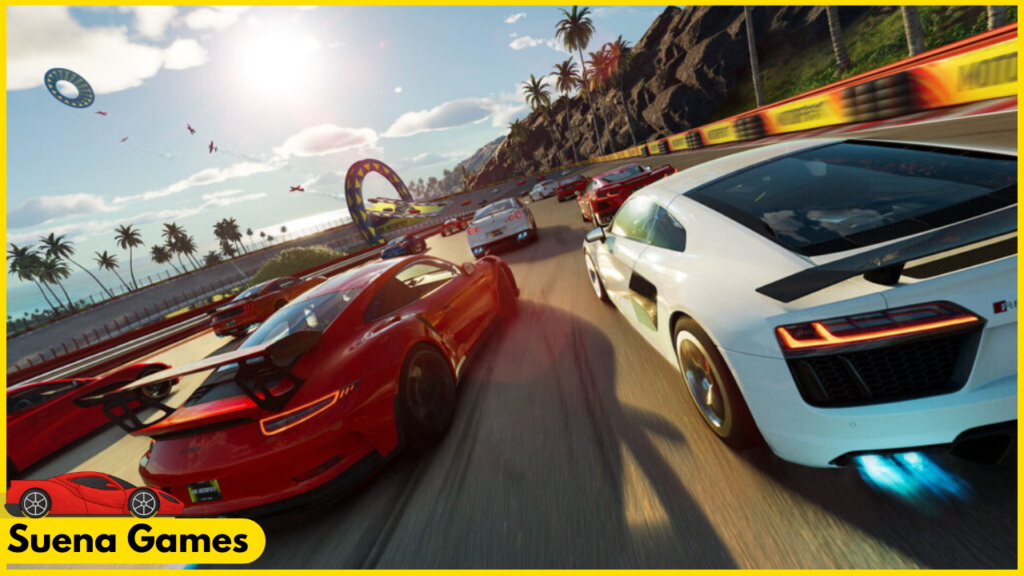
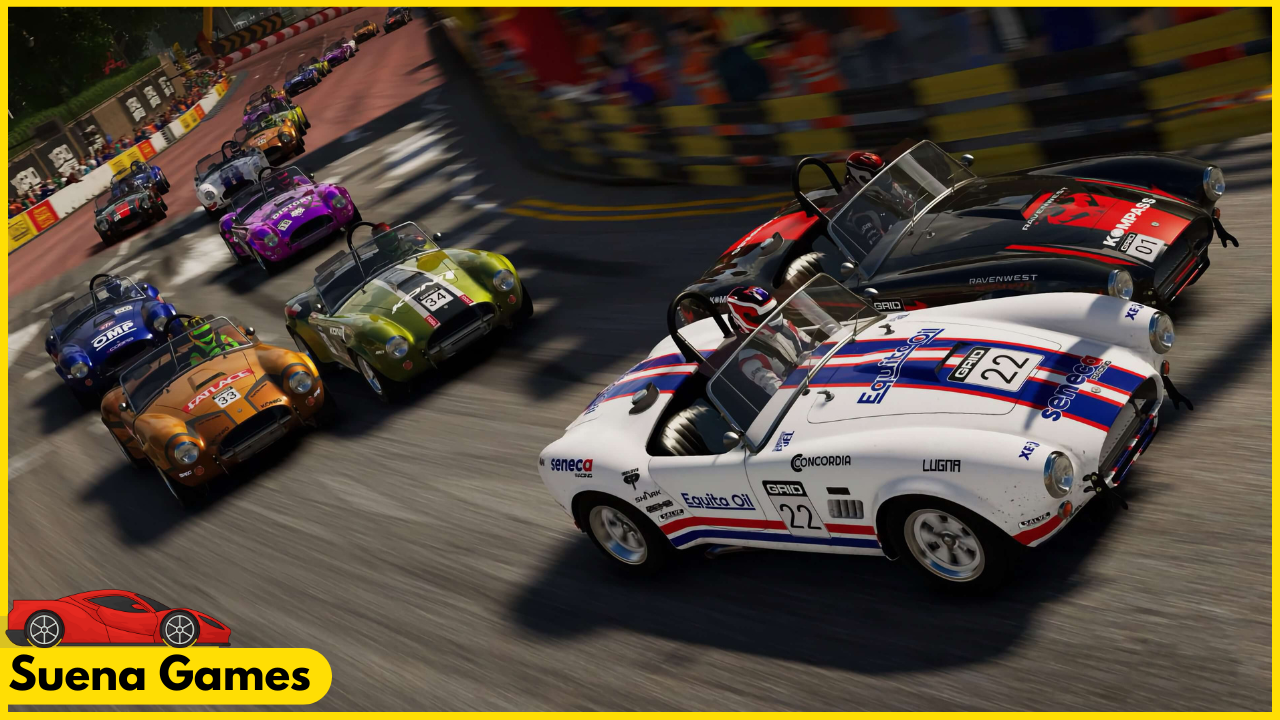
Racing Games (Simulators): Forza Horizon or Gran Turismo, especially those focused on realistic physics, require immediate reactions to track conditions, opponent maneuvers, and precise braking/acceleration. This sharpens predictive and reactive driving skills.
Are There Specific Games That Truly Enhance Reaction Speed?
Absolutely, beyond just genres, certain popular titles are renowned for pushing players' reaction limits. This month, games like the new season of *Valorant* continue to challenge players with its precise gunplay and ability timing. *Apex Legends* remains a top choice for battle royale fans, where spatial awareness and rapid engagement are key. Even free-to-play mobile titles like *Call of Duty Mobile* or *PUBG Mobile* offer excellent, accessible platforms for reaction training, reflecting the current trend of mobile gaming dominance among US gamers. For those into social gaming, cooperative shooters or even competitive party games can indirectly boost reaction time as players adapt to varied playstyles and unexpected scenarios.
Dedicated aim trainers like *Aim Lab* or *Kovaak's FPS Aim Trainer* are also invaluable. These tools isolate specific aspects of reaction time, like flick shots or tracking, allowing for targeted practice without the pressure of a full match. Many esports professionals integrate these into their daily routines for measurable improvements. They are perfect for a quick, focused training session when you only have a limited amount of gaming time.
Do Hardware and Setup Affect Reaction Time in Gaming?
Yes, your hardware and setup significantly impact your perceived and actual reaction time in games. Even if your brain is firing on all cylinders, a slow display or network can introduce noticeable delays. For the average gamer juggling life, optimizing on a budget is key.
High Refresh Rate Monitor: A monitor with 120Hz, 144Hz, or even 240Hz refresh rate displays more frames per second, making movements appear smoother and allowing you to see enemies or cues sooner. Upgrading this is often one of the most impactful changes.
Low Latency Input Devices: A responsive gaming mouse, keyboard, and headset are crucial. Look for devices with minimal input lag. Many modern wireless peripherals are now on par with wired options, offering flexibility.
Stable Internet Connection: High ping or network latency (lag) can negate any personal reaction time improvements. A stable, wired Ethernet connection is almost always superior to Wi-Fi for competitive gaming.
Optimized Game Settings: Running games at lower graphics settings to achieve higher frame rates (FPS) can make a huge difference. More frames mean more up-to-date visual information for your brain to process.
These aren't just for pro gamers; even casual players can feel a significant difference, reducing frustration and allowing your natural reflexes to shine through.
How Can Busy Gamers Maximize Reaction Time Training?
Balancing gaming with work and family life means every minute counts. For the average gamer, around 36 years old, optimizing time is critical. Here’s how to maximize your reaction time gains efficiently:
Short, Focused Sessions: Instead of long, unfocused gaming marathons, dedicate 30-60 minutes to targeted practice. Use aim trainers or play a few competitive rounds with the specific goal of improving your reaction speed.
Prioritize Specific Games: If your goal is reaction time, focus on the genres mentioned earlier. Avoid purely narrative or puzzle games during these training slots, saving them for relaxation.
Review and Analyze: Many games offer replay features. Watch back your gameplay, especially moments where you felt slow. Identify patterns in your reactions or areas where you could have responded faster.
Consistency Over Intensity: Regular, shorter sessions (e.g., 3-4 times a week) are more effective than sporadic, marathon sessions. Your brain benefits from consistent stimuli.
Mind-Body Connection: Ensure you're well-rested, hydrated, and have good posture. Fatigue significantly degrades reaction time. A quick stretch before gaming can also help.
Remember, it's about smart practice, not just endless hours. Make your gaming time work harder for you.
Can Improved Gaming Reaction Time Translate to Real-World Benefits?
Absolutely! The cognitive skills honed by gaming extend far beyond the virtual world. When you improve your reaction time through gaming, you're not just getting better at pressing buttons quickly; you're enhancing your brain's ability to process visual information, make rapid decisions, and execute precise motor commands. These are highly transferable skills.
Driving: Quicker reaction times can significantly improve your ability to respond to unexpected road hazards, sudden braking, or changing traffic conditions. A split second can prevent an accident.
Sports and Athletics: Athletes often rely on quick reflexes for catching, dodging, blocking, or responding to opponents. Think of a basketball player reacting to a pass or a tennis player returning a serve.
Daily Tasks: From catching a falling object to navigating a busy street, enhanced reaction time makes everyday interactions smoother and safer. It even contributes to better multitasking in a busy work environment.
Problem-Solving: The quick decision-making under pressure trained in games can translate into faster and more effective problem-solving in various professional and personal scenarios.
So, next time someone asks why you're gaming, you can confidently explain you're sharpening your real-world responsiveness!
What Are the Potential Downsides or Limitations?
While gaming offers clear benefits for reaction time, it's essential to acknowledge potential downsides and limitations to maintain a balanced perspective. Excessive gaming without breaks can lead to eye strain, poor posture, and even repetitive strain injuries. It's crucial to take regular breaks, stretch, and ensure ergonomic setup.
Furthermore, while gaming improves certain types of reaction time (primarily visual and choice reaction), it might not translate perfectly to every real-world scenario. The complexity of real-life situations often involves more variables than even the most intricate games. It's also important to differentiate between genuine cognitive improvement and simply memorizing game patterns or exploiting mechanics. Over-reliance on gaming for social interaction, for instance, can sometimes detract from real-world relationships, which is a common concern for busy gamers. Moderation and a balanced lifestyle, including physical activity and diverse hobbies, are key to maximizing benefits without falling into pitfalls.
How to Measure and Track Your Reaction Time Progress?
Tracking your reaction time improvement can be incredibly motivating. Luckily, there are several straightforward ways to measure it:
Online Reaction Time Tests: Websites like Human Benchmark or Reaction Time Test offer simple, quick tests to measure your basic visual and auditory reaction times. Take them regularly and record your scores.
In-Game Statistics: Many competitive games provide detailed statistics on your performance, including time-to-kill (TTK), accuracy, and headshot percentage, which are indirect indicators of reaction time. Pay attention to improvements in these metrics.
Aim Trainers: As mentioned, dedicated aim training software often includes sophisticated tracking and analytical tools, showing your progress over time in various reaction-based scenarios.
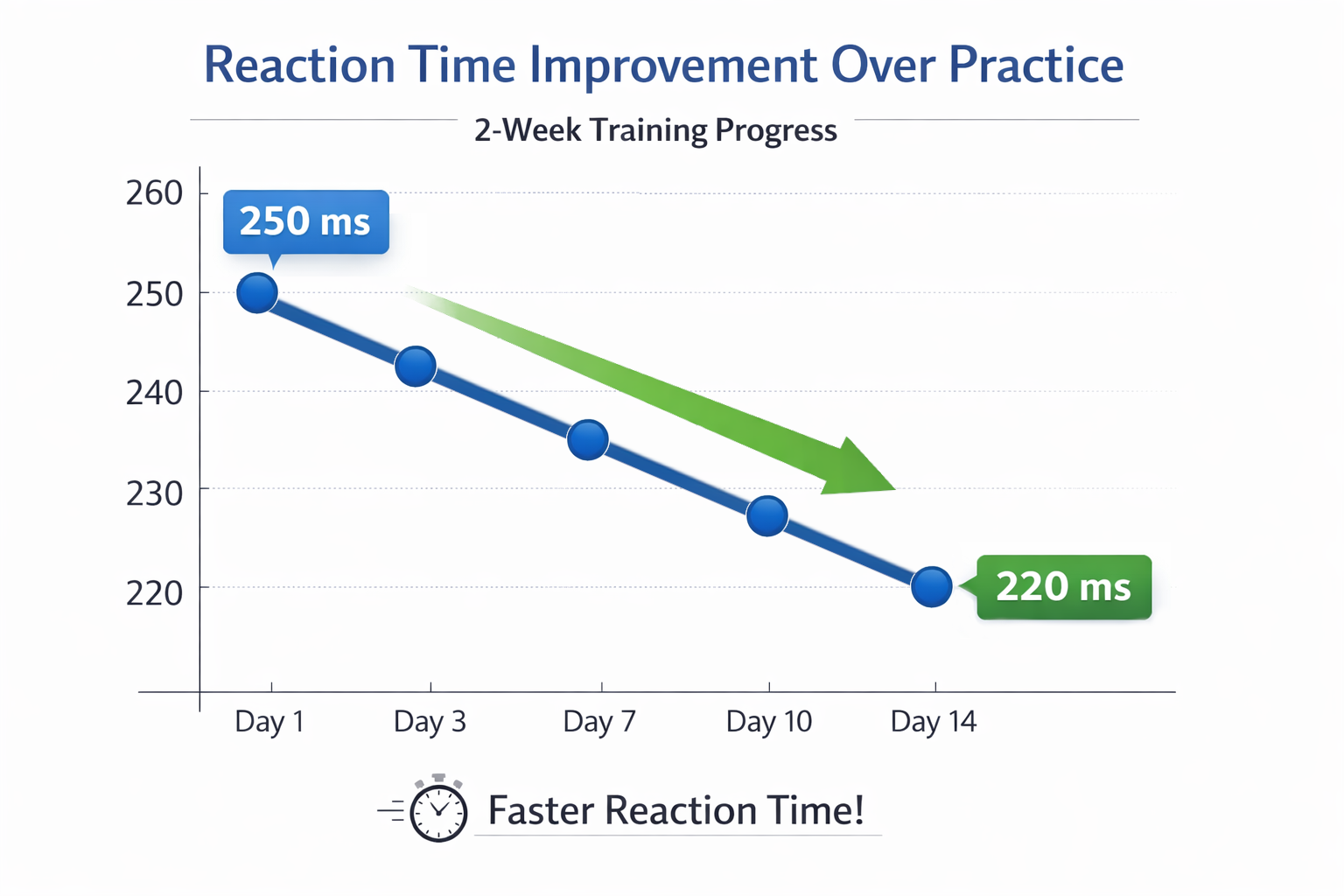
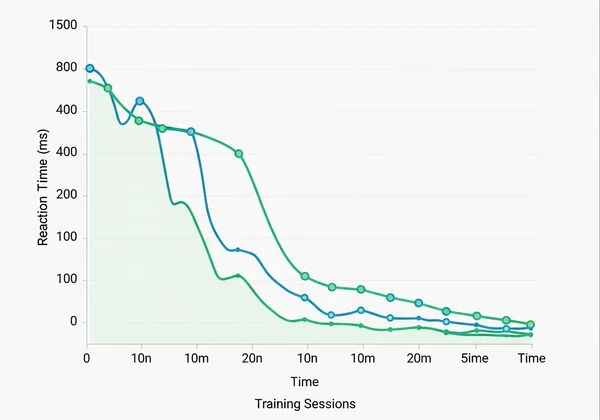
Personal Journal: Keep a simple log of your scores from tests or notable improvements in your gameplay. Seeing the numbers improve can be a great motivator and provides tangible evidence of your efforts. Regularly comparing your current performance to your initial benchmarks can give a clear picture of how much gaming has improved reaction time for you.
Consistency in testing is more important than achieving perfect scores every time. Focus on the trend of improvement.
Are There Age-Related Factors in Gaming and Reaction Time?
It's a common misconception that reaction time inevitably declines sharply with age, making improvement impossible. While there can be a natural slowing down of certain cognitive processes as we get older, research suggests that consistent mental stimulation, including gaming, can help mitigate this decline. For our target audience, many of whom are around 36, the potential for improvement is still very high.
Studies have shown that older adults who regularly game often exhibit faster reaction times and better cognitive flexibility than their non-gaming peers. Games act as a form of cognitive exercise, keeping the brain agile. While a 50-year-old might not achieve the absolute raw reaction speed of a 16-year-old esports prodigy, significant personal improvement is absolutely attainable, leading to a much better reaction time than if they didn't game at all. The key is consistent engagement and challenging oneself with games that demand quick thinking and action.
This means for gamers balancing life, the benefits aren't just short-term; they contribute to long-term cognitive health and agility.
FAQ Section
Does playing mobile games improve reaction time?
Yes, many mobile games, especially fast-paced action, puzzle, or rhythm titles, can effectively improve reaction time. The rapid visual cues and touch screen responses train hand-eye coordination and quick decision-making, offering accessible training for busy gamers on the go.
Is it possible to be "too old" to improve reaction time through gaming?
No, it's never too late to see improvements. While baseline reaction times may naturally decline with age, consistent engagement in challenging video games has been shown to slow this decline and even improve existing reaction speeds across various age groups, keeping the brain sharp.
How does latency or ping affect reaction time training?
High latency (ping) introduces delays between your input and the game's response, making it harder to accurately train your reaction time. It's crucial to have a low-latency setup and stable internet connection to ensure your improvements are due to your reflexes, not network lag.
Can certain diets or supplements boost gaming reaction time?
While no magic bullet exists, a healthy diet rich in omega-3s, antioxidants, and adequate hydration supports overall brain health, which can indirectly enhance cognitive function and reaction time. Some supplements like caffeine can offer temporary boosts, but consistent healthy living is more impactful than quick fixes.
What's the difference between simple and choice reaction time in games?
Simple reaction time is responding to a single, predictable stimulus (e.g., press button when light appears). Choice reaction time involves choosing the correct response from multiple options based on the stimulus (e.g., press 'A' for red, 'B' for blue). Games primarily train choice reaction time, which is more complex and transferable to real-world scenarios.
Conclusion
So, can gaming improve reaction time? The answer is a resounding yes, backed by science and the lived experiences of millions of gamers. From sharpening your cognitive processing to refining your hand-eye coordination, the hours you dedicate to your favorite titles aren't just for fun; they're an active investment in your mental agility. For the busy adult gamer balancing life, optimizing your setup, choosing the right games, and engaging in focused practice can yield significant, transferable benefits for both your in-game performance and your daily life. It's about smart, intentional play that makes your leisure time count.
What's your biggest gaming challenge when it comes to performance or balancing gaming with life? Comment below and let's discuss!
Gaming can improve reaction time through brain plasticity and cognitive training. Specific game genres like FPS and rhythm games are highly effective. Benefits extend beyond gaming to daily life and critical thinking. Regular, structured play is key for optimal results. It offers a fun way to enhance visual processing and decision-making skills. Balancing gaming with other activities ensures holistic development. Understanding hardware and settings further refines reaction time improvement.
35

How Can You Improve Your Gaming Reaction Time Pro . How Can Gaming Ergonomics Improve Your Reaction Time Pro Gaming . How To Improve Your Reaction Time Physical And E Sports How To Improve Your Reaction Time For Gaming And Other Sports 1.webp. What Are The Elements To Consider Improving Reaction Time In Gaming How To Improve Your Reaction Time In Gaming 1024x576 . How To Improve Your Reaction Time For Gaming Margaret Ware Tealfeed


How To Improve Reaction Time For Gaming TechStory Screenshot 2024 03 23 154423 . 6 Ways To Improve Your Reaction Times When Gaming Artofit . How To Improve Reaction Time For Gaming How To Improve Reaction Time For Gaming . How I Improved My Reaction Time In CS2 Theclub Com Sg Reaction Time In Gaming 1.webp. How To Improve Your Gaming Reaction Speed WePC Com Improve Reaction Time


How To Improve Reaction Time For Gaming Fastest 11 Ways Featured 1024x576 . Could High FPS Make You Better At Fortnite Kr4m Reaction Time Test . Do Video Games Improve Reaction Time By On Prezi 3 0 . My Tips For Improving Reaction Time Com Sg My Tips For Improving Reaction Time 1.webp. Improve Reaction Time For Gaming Fast Proven Tips Reaction Time Training Skilltree 1


How To Improve Your Reaction Time For Gaming ILounge How To Improve Your Reaction Time For Gaming . The Role Of Reaction Time And Eye Hand In CS CS LAB Gamer Playing CSGO On PC Fast Reaction Time And Accurate Eye Hand . Top 10 Games To Improve Reaction Time 2023 . What Is Reaction Time And Why Does It Matter Net Reaction Time Gamer Video Game.webp. From Gamers To Athletes How Reaction Time Shapes Performance Across From Gamers To Athletes How Reaction Time Shapes Performance Across



How To Improve Aim In FPS Games Step By Step Training Plan 2026 How To Improve Reaction Time For FPS Games Explained. Improve Your Gaming Reaction Time The Ultimate Reflex Guide Reaction Gamer Focus Mental Edge.webp. Can Gaming Monitor Improve Reaction Time For Gamers Can Gaming Monitor Improve Reaction Time 1759470174 . Reaction Time For Gamers Tips For A Competitive Edge Brain Training Focus Gaming. How Does Gaming Affect Reaction Time Com 4wbg
How To Increase Reaction Time Complete Guide CS LAB Tips To Improve Reaction Time Csgo Gaming Esports . Can You Improve Reaction Time What Works How To Train And How To Reaction Time Training Results 2 Weeks.webp. Top 5 Drills To Improve Gaming Reaction Time Zen Gamer Quick During Respawns To Build Gaming Resilience. How To Improve Reaction Time In Games In 2026 Suena Games 9 1 1024x576 . How To Improve Reaction Time In Games In 2026 Suena Games 10 1


10 Reaction Time Drills Improve Your Reflexes With Our Reaction Time Reaction Time Progress Graph.webp. How To Improve Reaction Time In Valorant 1v9 How To Improve Reaction Time. How Gaming Reaction Time Impacts Your Success BlazePod 1 Fb631e98 6b7b 42f2 9638 1024x1024 . How To Improve Reaction Time In CS2 Improve Reaction Time 1 . Upcoming Xbox Games In 2026 What To Play Next Year Game Releases Full Calendar Release Dates Main