Are you dreaming of the ultimate gaming experience but feeling overwhelmed by pre-built systems that never quite hit the mark? This comprehensive guide on gaming computer custom build is your essential resource for crafting a PC that perfectly matches your playstyle, budget, and future upgrade desires. Forget generic setups; we dive deep into selecting components, optimizing performance, and building a rig designed for today's most demanding titles and tomorrow's innovations. From understanding compatibility to navigating common build challenges and leveraging 2026's tech trends, we'll equip you with the knowledge to create a machine that delivers unparalleled immersion and competitive edge. Whether you're a seasoned enthusiast or a first-time builder, get ready to unlock peak performance and truly personalize your digital playground. This informational journey will empower you to make smart choices, ensuring every dollar spent contributes directly to your gaming satisfaction and enjoyment. Embrace the power of customization and build the gaming experience you truly deserve.
What are the main benefits of a gaming computer custom build?
A gaming computer custom build offers unmatched personalization, allowing you to select every component to perfectly match your performance goals and budget. This often results in better value for money compared to pre-built systems, avoiding unnecessary compromises and bloatware. You gain a deeper understanding of your machine and full control over its aesthetics and upgrade path, ensuring it's future-proof and optimized for your specific gaming preferences and the latest titles like "Chrono Rift" or "Galactic Dominion."
How much RAM is recommended for a 2026 gaming computer custom build?
For a gaming computer custom build in 2026, 16GB of DDR5 RAM is the solid baseline for smooth 1080p and 1440p gaming, especially for popular titles and general multitasking. However, 32GB of DDR5 is increasingly becoming the recommended sweet spot for high-refresh-rate 1440p and 4K gaming, heavy streaming, or running memory-intensive applications alongside games. Faster RAM speeds (e.g., 6000MHz+) are also beneficial when supported by your CPU and motherboard for optimal performance.
Which CPU and GPU combination is best for a balanced gaming computer custom build budget?
For a balanced gaming computer custom build budget in 2026, aiming for a mid-range Intel Core i5/i7 (13th/14th Gen) or an AMD Ryzen 5/7 (7000 series) paired with an NVIDIA RTX 4060 Ti/4070 or AMD Radeon RX 7700 XT/7800 XT typically provides excellent performance without breaking the bank. This combination usually offers strong 1440p gaming experiences and good framerates, making it ideal for the average gamer who balances performance with cost-effectiveness for titles like "Cyberpunk 2077" or "Alan Wake 2."
What is the hardest part of a gaming computer custom build?
For many, the hardest part of a gaming computer custom build isn't the physical assembly, but rather the initial research and ensuring component compatibility. Sifting through countless options for CPUs, GPUs, motherboards, and RAM to find the perfect synergy can be overwhelming. Tools like PCPartPicker.com help immensely, but understanding the nuances of how each part affects overall performance and identifying potential bottlenecks requires careful attention. Physical installation itself is largely a methodical process of connecting clearly labeled parts.
How important is cooling in a high-performance gaming computer custom build?
Cooling is extremely important in a high-performance gaming computer custom build to prevent thermal throttling, extend component lifespan, and maintain consistent peak performance. Modern CPUs and GPUs generate significant heat, especially during intense gaming sessions. Adequate cooling, whether through a robust air cooler, an All-in-One (AIO) liquid cooler, or custom water loops, ensures components can run at their optimal boost clocks without overheating. Poor cooling can lead to reduced framerates, system instability, and potential hardware damage over time, severely impacting your gaming experience.
Can a gaming computer custom build also be used for productivity tasks or work?
Absolutely, a gaming computer custom build is often an excellent machine for productivity, work, and content creation. The powerful CPUs, ample RAM, and dedicated GPUs that excel at gaming are also highly beneficial for video editing, 3D rendering, graphic design, programming, and complex data analysis. Many gamers use their custom rigs for streaming their gameplay, which demands significant processing power. A custom build offers the versatility to handle demanding work tasks during the day and intense gaming sessions at night, making it a truly multi-purpose investment.
What are the current trends influencing gaming computer custom build choices in 2026?
In 2026, several trends are significantly influencing gaming computer custom build choices. The rise of AI-powered upscaling technologies like DLSS and FSR makes mid-range GPUs perform better than ever. Mobile and PC/console cross-play continue to drive demand for robust systems, while social gaming trends like Discord integration and cooperative experiences push for strong multiplayer performance. Budget-friendly options, in-game purchases, and streamer influence mean gamers are savvier about value. Additionally, sustainable and energy-efficient components are gaining traction, reflecting a growing environmental consciousness among builders and users.
Ever feel like your gaming rig just isn't keeping up? Maybe you're tired of pre-built systems making compromises you wouldn't, or perhaps you're just not getting the framerates you crave in the latest titles like "Chrono Rift" or "Galactic Dominion" that everyone's buzzing about. Many US gamers, especially those juggling jobs, families, and life responsibilities, value their precious gaming time. We want relaxation, fun, and perhaps a little skill-building or social play. But nothing kills the vibe faster than setup issues, performance bottlenecks, or the constant fear of being left behind by new tech. You're not alone; around 87 percent of US gamers play regularly, often dedicating 10+ hours a week, and they're always looking for that sweet spot of performance and value.
This is where a gaming computer custom build truly shines. Building your own PC isn't just about saving money or boosting raw power; it's about crafting a machine tailor-made for your specific needs. It means no bloatware, optimized components, and a deep satisfaction that comes from creating something powerful with your own hands. We'll cut through the hype and focus on practical solutions, helping you navigate the world of PC parts, overcome common challenges, and get the most bang for your hard-earned buck. By the end, you'll have the confidence to build a system that not only dominates the virtual battlefield but also perfectly fits into your busy life, allowing you to enjoy those precious gaming moments to the fullest. Let's dive into making your dream PC a reality!
Why should I consider a gaming computer custom build over a pre-built one?
Opting for a gaming computer custom build offers unparalleled control, value, and performance. Unlike pre-builts, which often skimp on certain components or include unnecessary software, a custom build lets you select every single part. This means you can allocate your budget precisely where it matters most for your gaming habits, whether that's a top-tier GPU for high-refresh-rate 4K gaming or ample RAM for streaming while you play. Many gamers find they get significantly better performance per dollar spent, avoiding the "builder's premium" and proprietary components that can complicate future upgrades. Plus, the learning experience gained is invaluable, empowering you with a deeper understanding of your system.
What are the essential components for a gaming PC custom build?
A successful gaming computer custom build hinges on a few core components working in harmony. You'll need a Central Processing Unit (CPU) like an Intel Core i7/i9 or AMD Ryzen 7/9 for processing power, and a Graphics Processing Unit (GPU) from NVIDIA's RTX series or AMD's Radeon RX lineup for rendering visuals—this is often your biggest investment. Memory (RAM), typically 16GB or 32GB of DDR4 or DDR5, ensures smooth multitasking. Storage comes in the form of a fast NVMe SSD for your operating system and primary games, possibly supplemented by a larger SATA SSD or HDD for bulk storage. A Motherboard connects everything, a Power Supply Unit (PSU) provides the juice, and a Case houses it all. Don't forget a CPU Cooler to keep temperatures in check.
How do I set a realistic budget for my custom gaming PC?
Setting a budget for your gaming computer custom build is crucial for managing expectations and avoiding overspending. Start by defining your gaming goals: do you aim for 1080p at 60fps, 1440p at 144fps, or 4K ultra settings? Research indicates that 2026 sees average gaming PC builds range from $800 for entry-level 1080p rigs to $2000+ for high-end 4K beasts. Allocate the largest portion of your budget (typically 40-50%) to your GPU, followed by the CPU (15-20%), and then spread the rest across the motherboard, RAM, storage, PSU, case, and cooler. Remember to factor in peripherals like a monitor, keyboard, and mouse if you don't already have them. Flexibility is key; sometimes waiting for sales or adjusting a component slightly can save hundreds, optimizing your investment.
Where can I find reliable parts for my gaming computer custom build?
For your gaming computer custom build, reliable parts are paramount. Major online retailers like Amazon, Newegg, and Best Buy are go-to sources, often offering competitive pricing and wide selections. Micro Center stores (if you're lucky enough to have one nearby in the US) provide excellent in-person advice and deals, especially for bundles. For specific parts or better prices, keep an eye on smaller specialty stores or even manufacturer websites directly. Always check reviews, warranty information, and return policies before purchasing. Subscribing to deal alerts from reputable tech sites can also net you significant savings, especially during major sales events that now frequently occur throughout the year, not just seasonal holidays.
What are common mistakes to avoid during a custom PC build?
Even seasoned builders can make errors, but many common pitfalls for a gaming computer custom build are avoidable. One frequent mistake is not checking component compatibility thoroughly—using PCPartPicker.com is a lifesaver here. Another is neglecting proper cable management, which affects airflow and aesthetics. Forgetting to install the motherboard's I/O shield (that metal plate) before mounting the motherboard is a classic rookie error. Overlooking the importance of adequate cooling, especially for high-end CPUs and GPUs, can lead to thermal throttling. Finally, rushing the process and failing to read manuals carefully often results in missed steps or damage. Take your time, watch some build guides, and double-check everything for a smoother experience.
How do I ensure compatibility between all my chosen components?
Ensuring compatibility is perhaps the most critical step in a gaming computer custom build. The CPU must match the motherboard's socket type (e.g., LGA 1700 for Intel, AM5 for AMD). RAM must be the correct generation (DDR4 or DDR5) and compatible with your motherboard and CPU's speed requirements. Your GPU needs a PCIe x16 slot, which all modern motherboards provide, but also enough physical space in your case and sufficient power from your PSU. The PSU itself needs to have enough wattage for all components, plus a little headroom for future upgrades. Tools like PCPartPicker.com are invaluable here; they automatically flag most compatibility issues as you select parts, preventing headaches down the line.
Is it hard to actually build a gaming PC myself?
The thought of building a gaming computer custom build from scratch can seem daunting, but it's more like assembling a high-tech LEGO set than rocket science. With countless online tutorials, step-by-step videos, and detailed manuals, the process has become incredibly accessible. The most challenging parts are often the initial research and ensuring compatibility. Physically assembling the components involves careful handling, proper screw placement, and methodical cable routing. Most modern components are designed to be user-friendly, with clear instructions and foolproof connections. While it requires patience and attention to detail, the satisfaction of powering on your self-built PC for the first time is immensely rewarding and well within the reach of an average gamer.
How can I optimize my custom build for both performance and quiet operation?
Optimizing your gaming computer custom build for both performance and quiet operation involves strategic component choices and careful setup. For performance, ensure balanced components where your CPU doesn't bottleneck your GPU, or vice versa. Overclocking your CPU or GPU can squeeze out extra frames, but do so carefully and monitor temperatures. For quiet operation, invest in high-quality CPU coolers (AIO liquid coolers or large air coolers are excellent) and case fans known for low noise levels. Many modern GPUs also feature "zero fan speed" modes when under light load. Good cable management improves airflow, which helps keep temperatures lower, meaning fans don't have to spin as fast. Consider a case with sound dampening features or larger fans that can move more air at lower RPMs. Properly applied thermal paste also contributes significantly to efficient heat transfer.
What post-build steps are crucial for a smooth gaming experience?
Once your gaming computer custom build is physically assembled, several post-build steps are vital for a smooth experience. First, install your operating system (Windows 11 is standard for gaming now). Next, install all necessary drivers: motherboard chipset drivers, GPU drivers (critical for performance), audio drivers, and network drivers. Update your BIOS to the latest version for stability and new feature support. Run stress tests (like Prime95 for CPU, FurMark for GPU) to ensure stability and monitor temperatures under load. Finally, download your favorite game launchers (Steam, Epic Games, Xbox App) and start installing games. Remember to regularly update your drivers and OS for optimal performance and security. A clean install and regular maintenance keep your custom build running like new, ready for anything from social gaming to competitive esports.
Embarking on a gaming computer custom build might seem like a monumental task, but as we've explored, it's an incredibly rewarding journey that puts you in the driver's seat of your gaming destiny. From unlocking peak performance to tailoring every detail to your lifestyle, the benefits far outweigh the initial effort. You gain deep knowledge of your machine, save money, and ensure your system is future-proofed against the ever-evolving demands of the gaming world. Remember, your gaming time is valuable, and a PC built by you, for you, maximizes that value.
What's your biggest gaming challenge with your current setup, or what part of building a custom PC excites you the most? Comment below and share your thoughts. Happy building, and may your framerates be high and your temperatures low!
What is the average cost of a good gaming computer custom build in 2026?
In 2026, a solid mid-range gaming computer custom build capable of 1440p gaming typically costs between $1200-$1800 USD. Entry-level 1080p builds can start around $700-$1000, while high-end 4K setups with cutting-edge components often exceed $2500, especially if incorporating premium features or exotic cooling solutions. Prices fluctuate with market demand and new hardware releases, so always check current trends.
How long does it take to build a gaming PC for the first time?
For a first-timer, a gaming computer custom build usually takes 4-8 hours for physical assembly, including unpacking and careful placement of parts. This doesn't include the time for research or troubleshooting. Experienced builders can complete a build in 1-3 hours. Patience, methodical execution, and following instructions are key to a smooth and successful first build.
Is building a custom gaming PC worth it for casual gamers?
Absolutely. Even for casual gamers who balance life with limited play time, a gaming computer custom build ensures your system is optimized for the specific games you enjoy most, providing smoother performance and better value than many generic pre-builts. It lets you stretch your budget further by avoiding unnecessary features and focusing on core components that enhance your preferred gaming experiences.
Can I upgrade components in my custom-built gaming PC later?
Yes, one of the biggest advantages of a gaming computer custom build is its modularity and upgradeability. You can easily swap out components like the GPU, RAM, or storage as new technology emerges or your needs evolve, extending the lifespan of your system significantly without needing a complete overhaul. This flexibility makes a custom build a smart long-term investment for any gamer.
Do custom-built gaming PCs come with warranties?
Individual components in a gaming computer custom build come with manufacturer warranties, typically ranging from 1 to 5 years depending on the part (e.g., PSU, GPU, CPU, motherboard). While there isn't one overarching warranty for the entire PC, these component-level warranties provide comprehensive coverage for defects, ensuring peace of mind for each crucial piece of hardware you've installed.
What tools do I need for a gaming computer custom build?
You'll primarily need a Phillips head screwdriver, preferably one with a magnetic tip for easier screw handling. Other useful tools include zip ties or velcro straps for efficient cable management, thermal paste (though often included with CPU coolers), and an anti-static wrist strap for safety, although grounding yourself by touching the case periodically is often sufficient.
Customization freedom, performance optimization, budget control, learning essential tech skills, future-proofing your setup, solving common gamer pain points, expert component selection, step-by-step build guidance, post-build optimization tips, thriving in 2026 gaming trends.
35
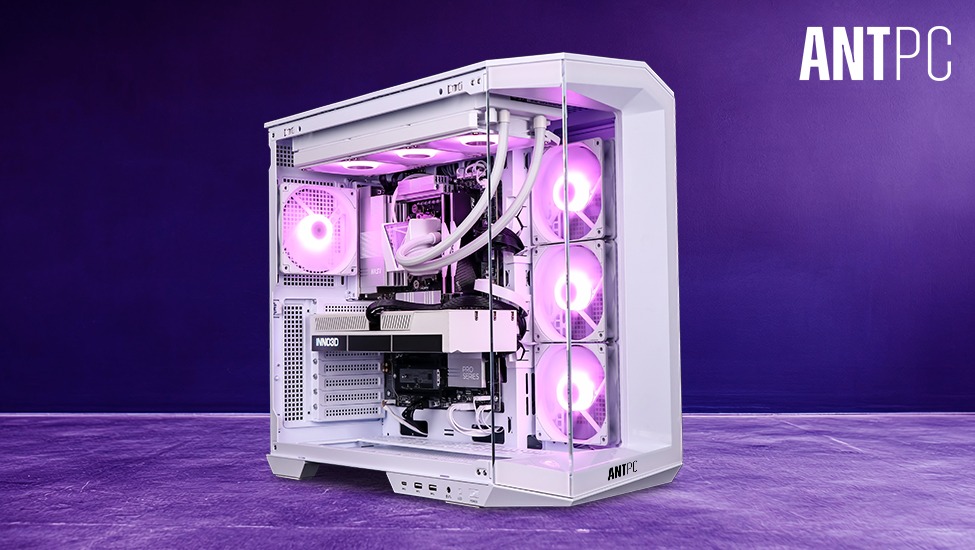
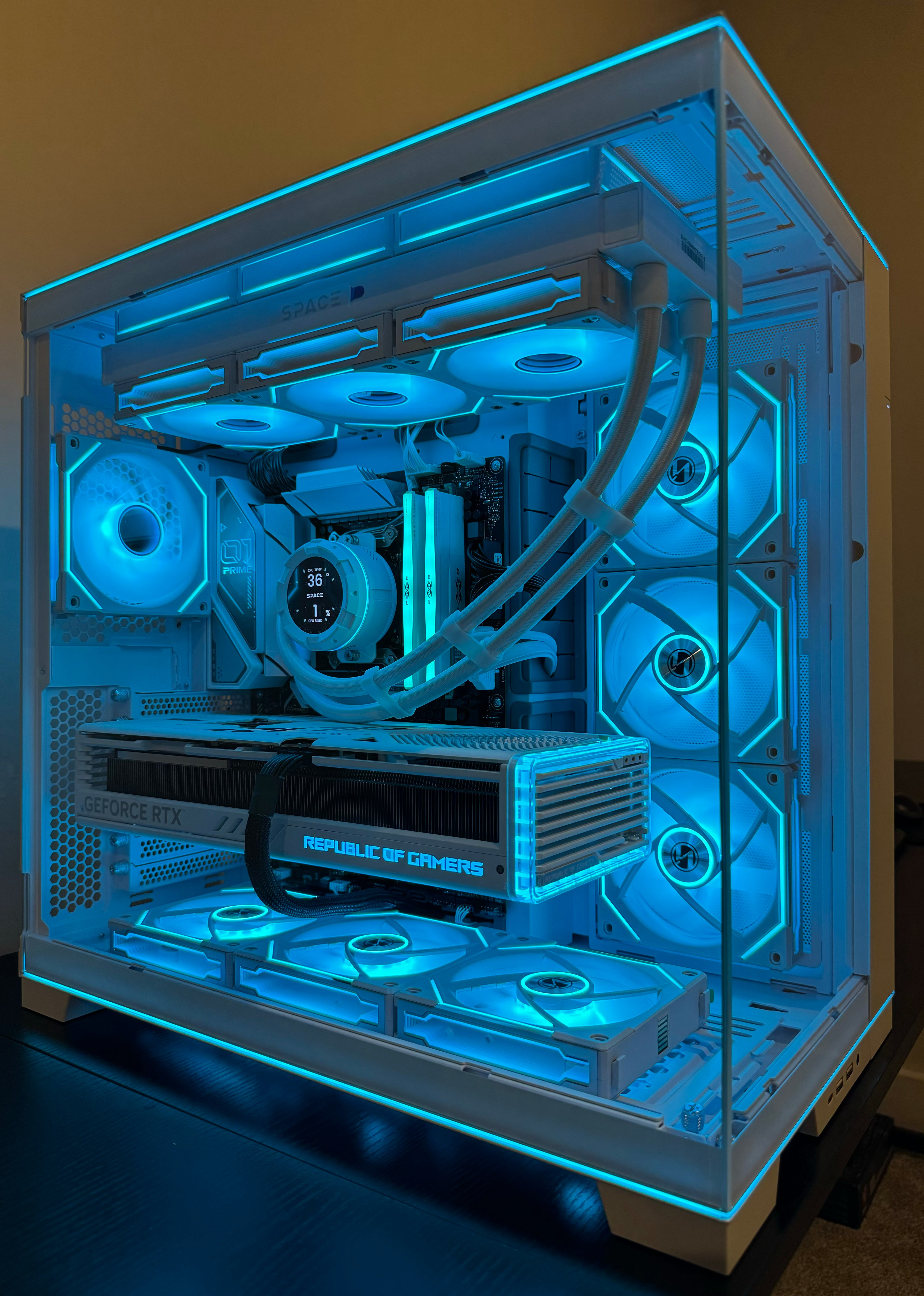
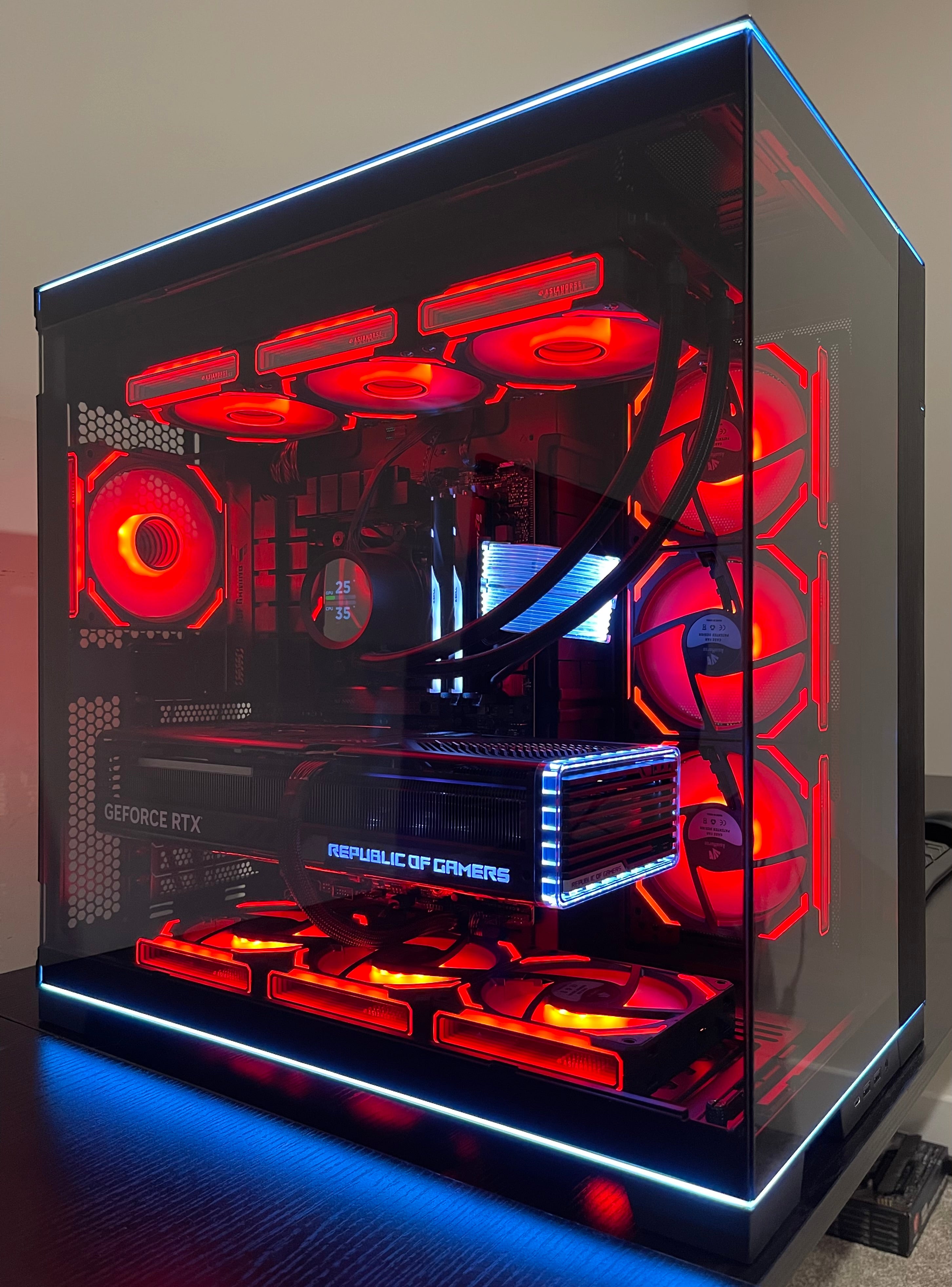
Best Gaming PC Builds For 2026 Best Gaming PC Builds For 2026.webp. The Best Gaming PC Builds For 2026 Top Picks And Reviews Best Pc Build . How To Build A Future Proof Gaming PC In 2026 Complete Custom Build Guide 1773043345 . Dan S Custom Built Gaming Beasts 3CFCA891 125F 45F0 B47D . Dan S Custom Built Gaming Beasts IMG 0047 0fc6d969 4a26 4582 922f
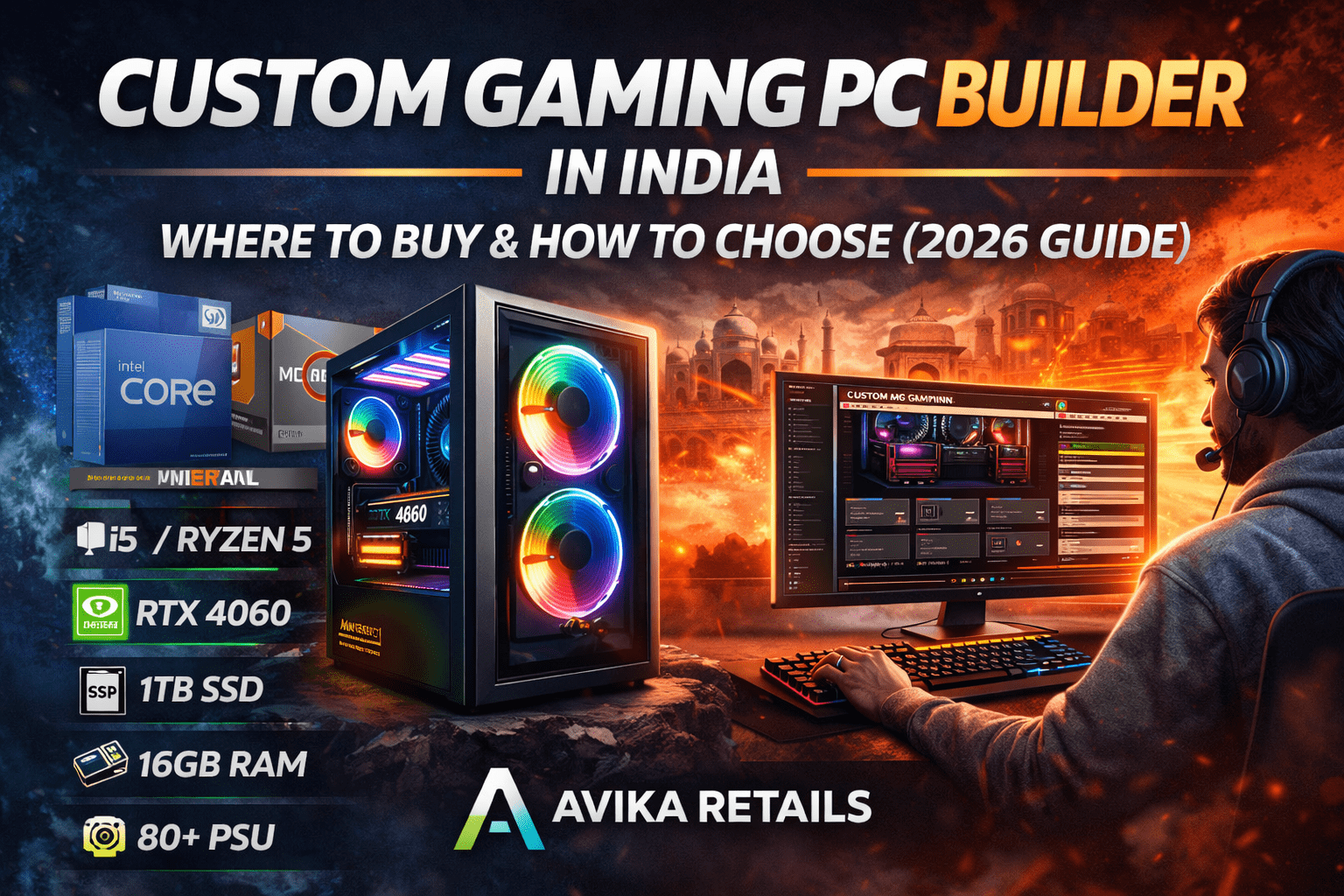

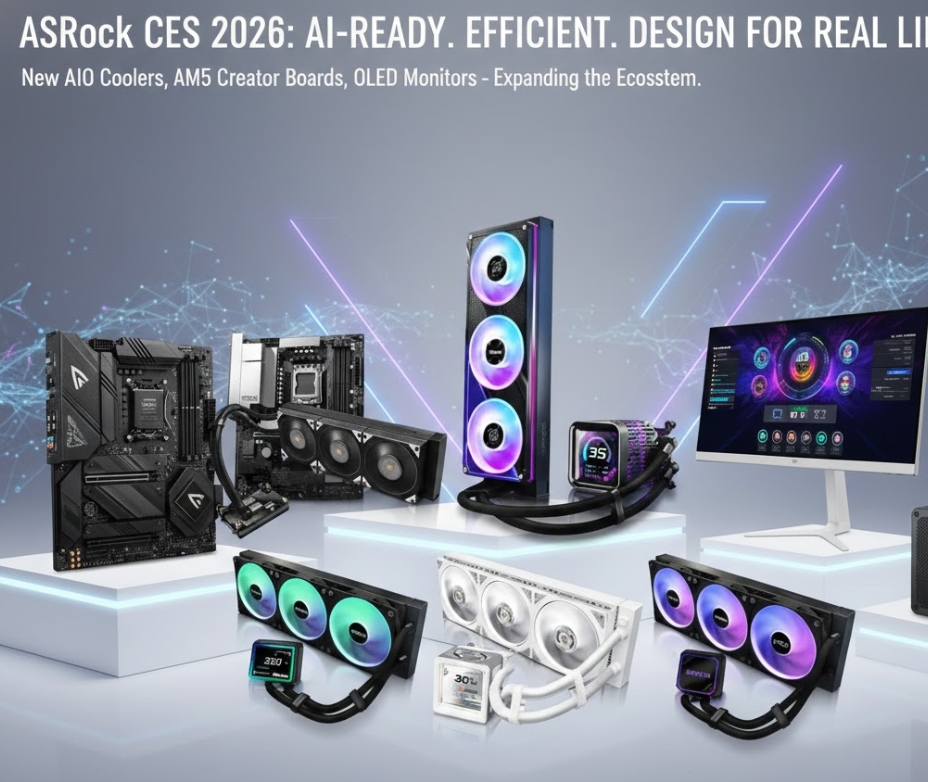
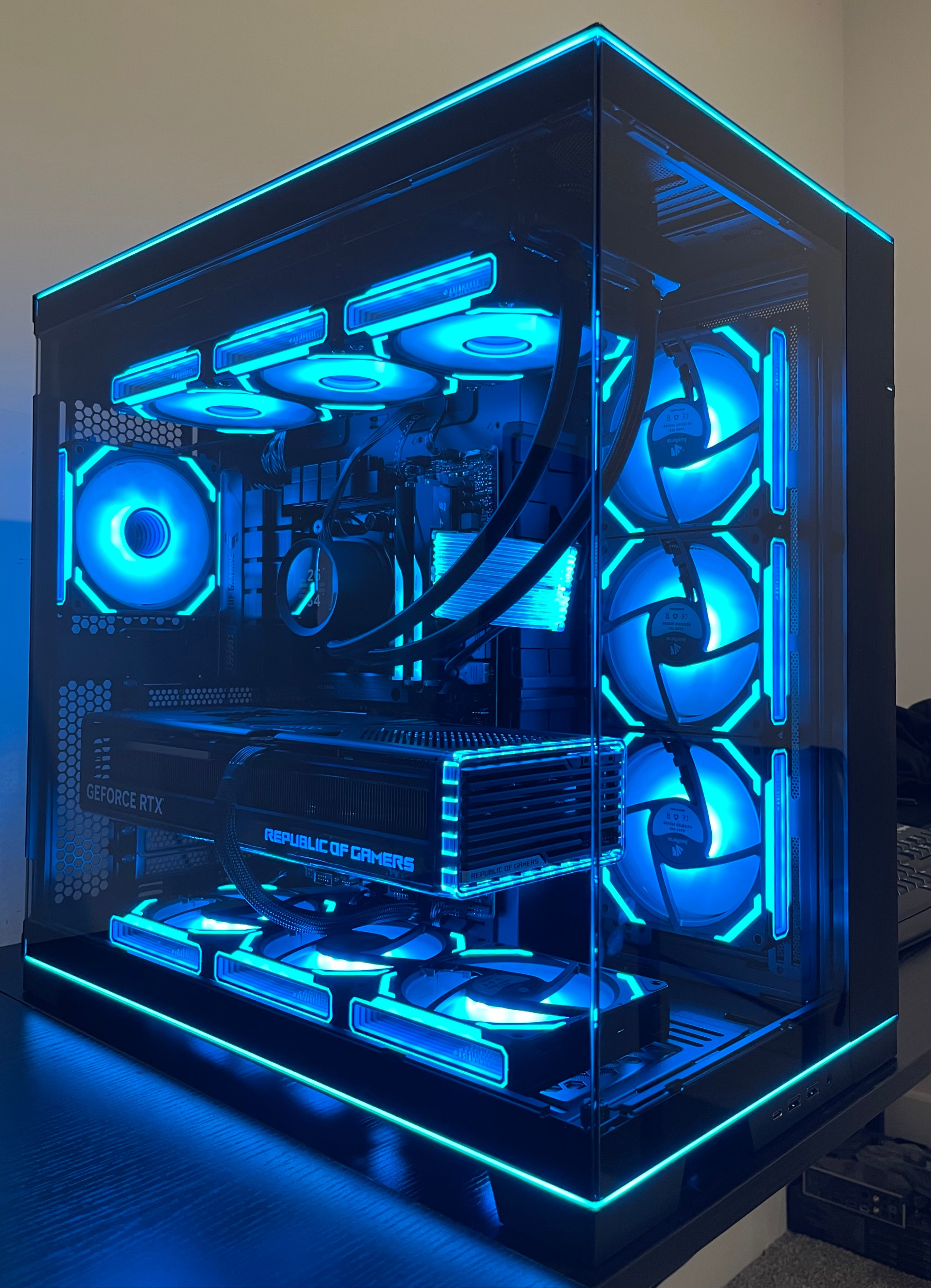

Custom Gaming PC Builder In India Where To Buy How To Choose 2026 Custom Gaming PC Builder In India . Top 10 Best Desktop Computers 2026 For Home Office And Work Lenovo Legion Tower 7i 2026 High Performance Desktop Computer With RGB Lighting Featured In. ASRock CES 2026 Gaming Hardware AsRock . Dan S Custom Built Gaming Beasts IMG 0040 D3a71dc8 C608 4f88 A914 . Products Dan S Custom Built Gaming Beasts IMG 0037
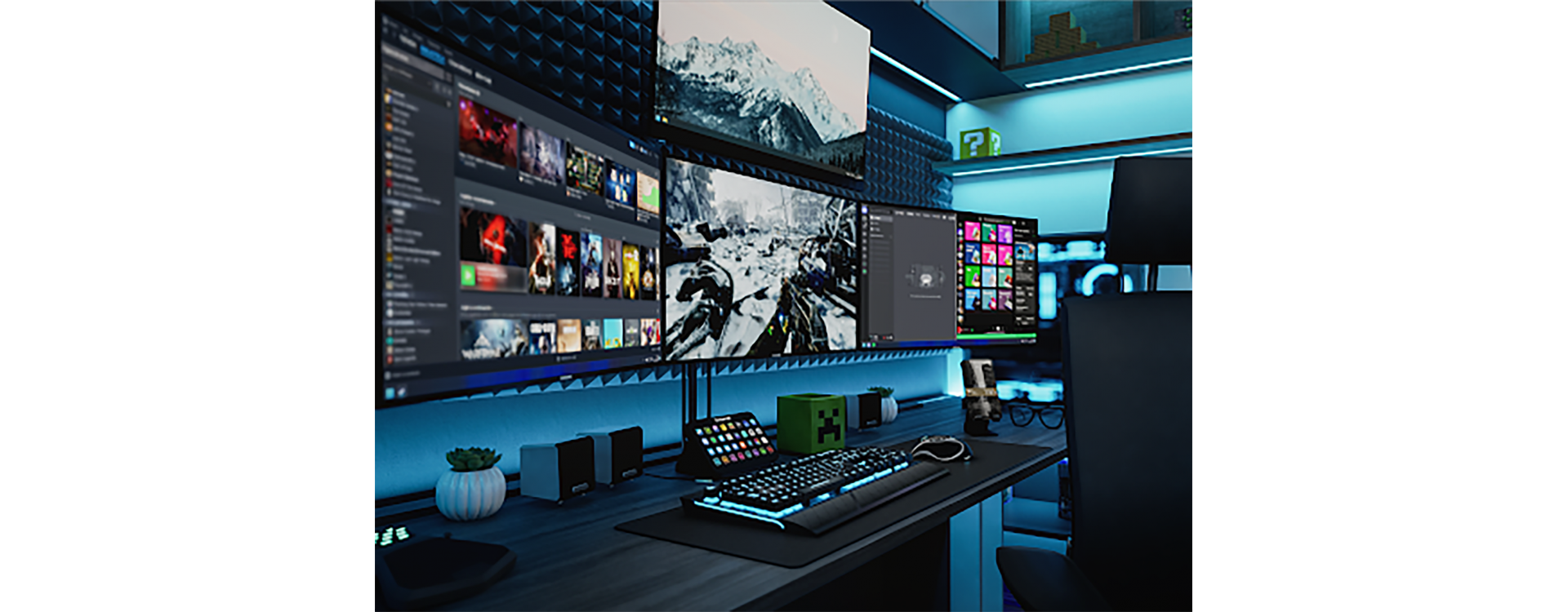
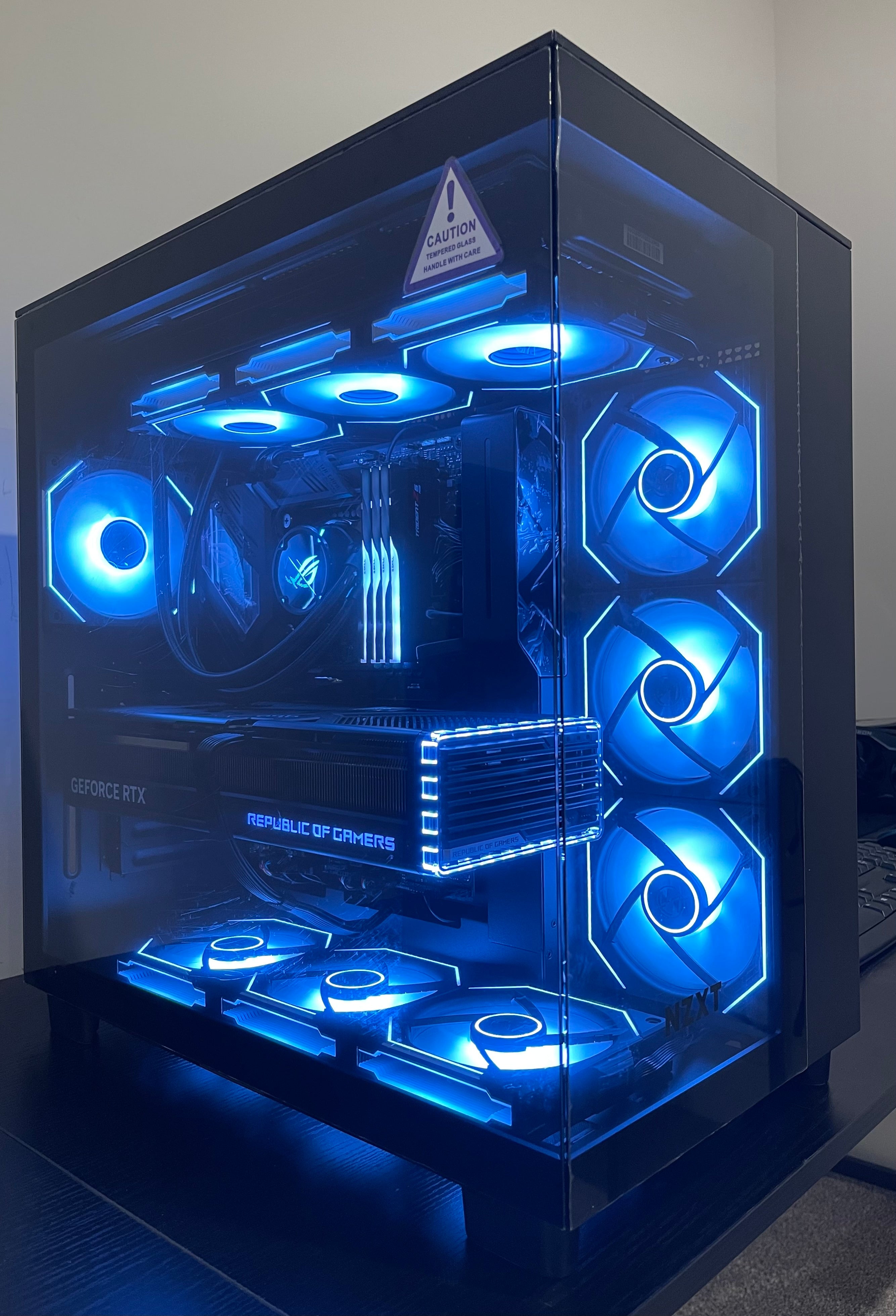
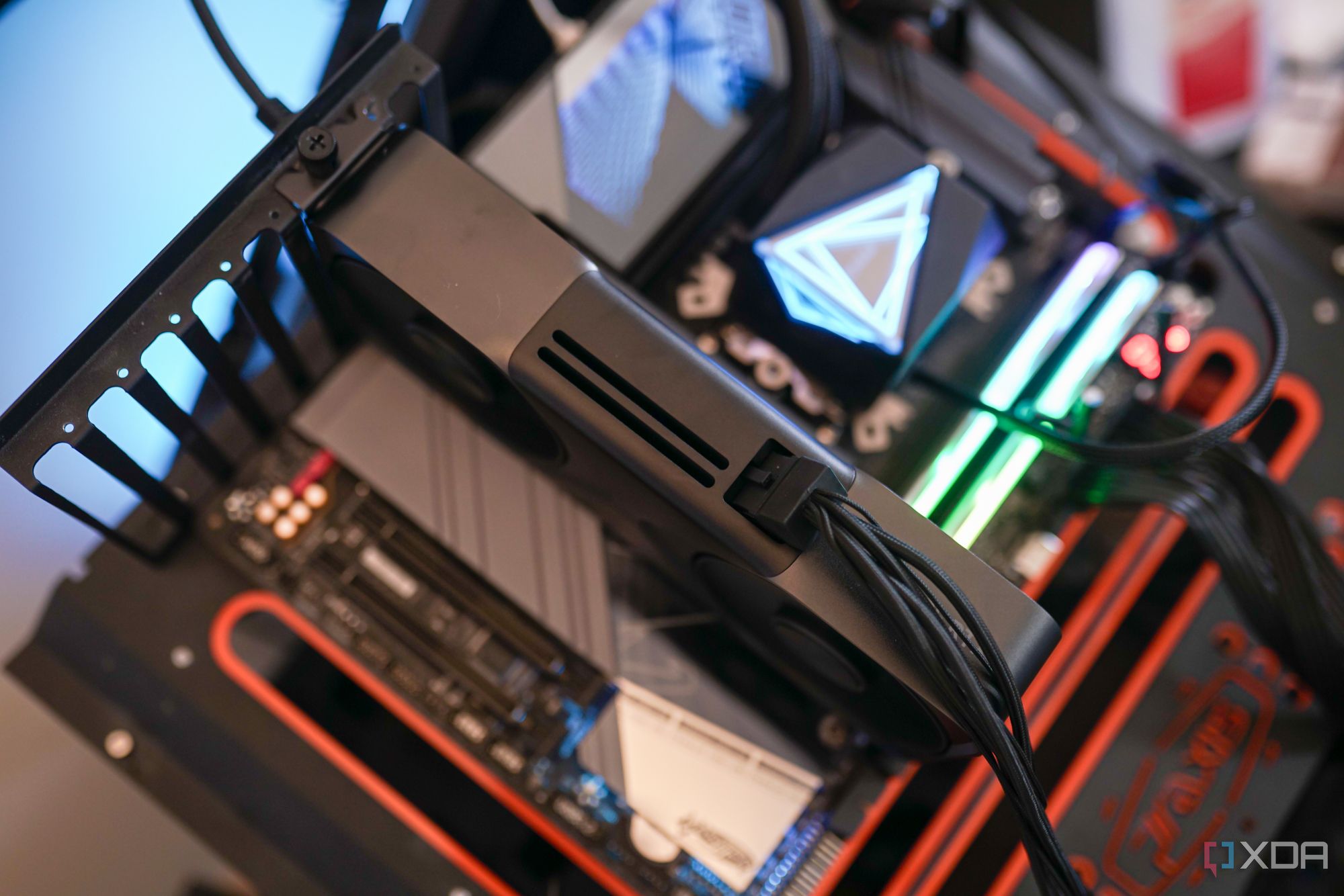
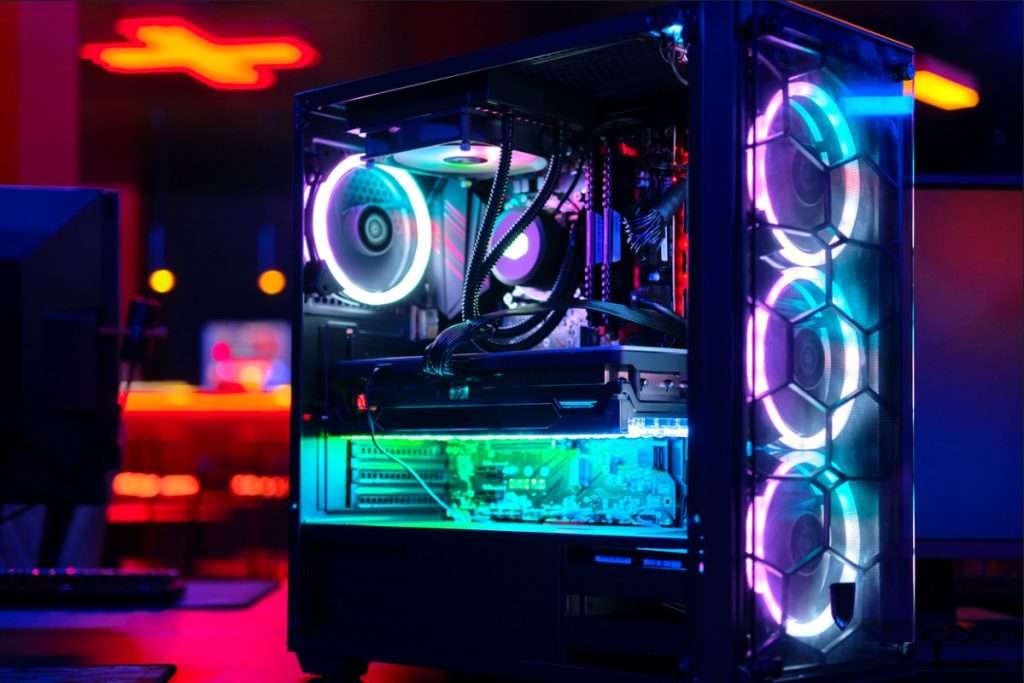
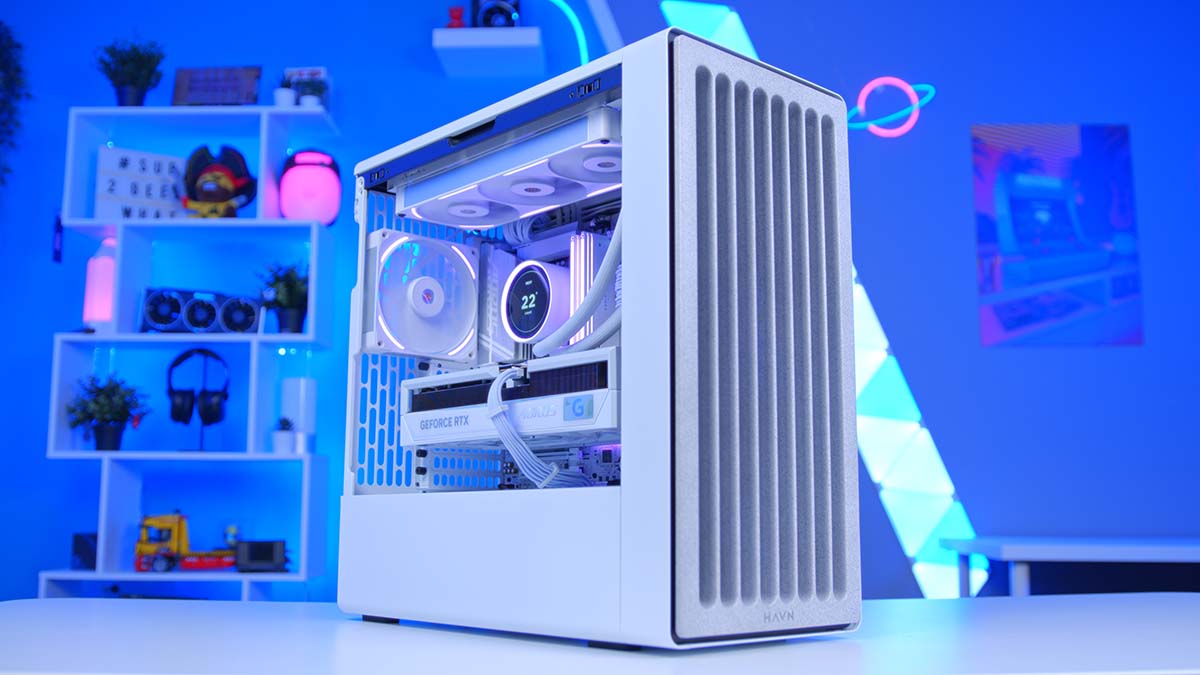
The Ultimate Gaming PC Build 2026 Guide By Xidax 1 Unnamed . Custom Built Gaming PC Dan S Custom Built Gaming Beasts IMG 8432 . The Gaming PC You Need To Build For 2026. Best PC Builds For Gaming 2026 Ultimate Guide To Building Your Dream Best PC Builds For Gaming 2026 1024x683 . Building An Enthusiast Grade PC Build For 2026 GeekaWhat FI DM87 HAVN BF RTX 5090 Build


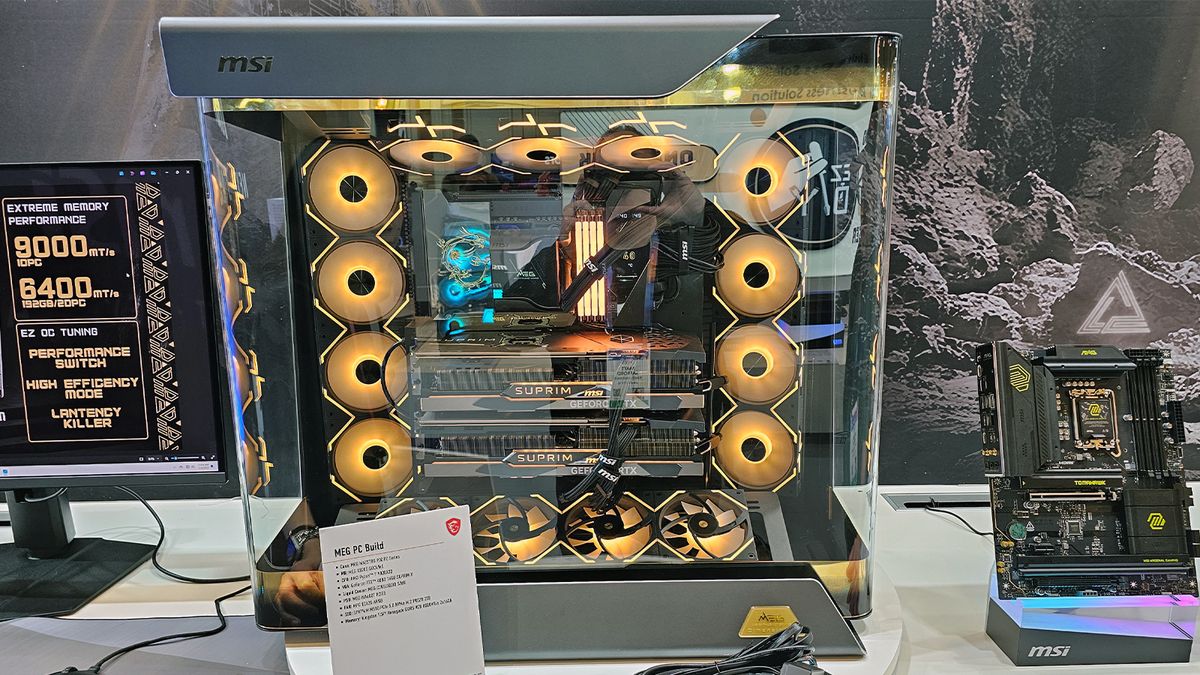

Best Budget Gaming PC Builds For 2026 500 800 Best Budget Gaming PC Builds For 2026.webp. Should You Build A PC In 2026 Mid Range Gaming Build Guide January Cld Sample . Custom PCs For Crypto Gaming AI Workloads In 2026 Digibuggy . MSI Announces A Plethora Of New Cases Coolers And Accessories At CES 1200 80 . Best Gaming PC 2026 High Performance Buil Gaming PC Guru Best Gaming Pc For Under 500 Dollars Featured 800x500

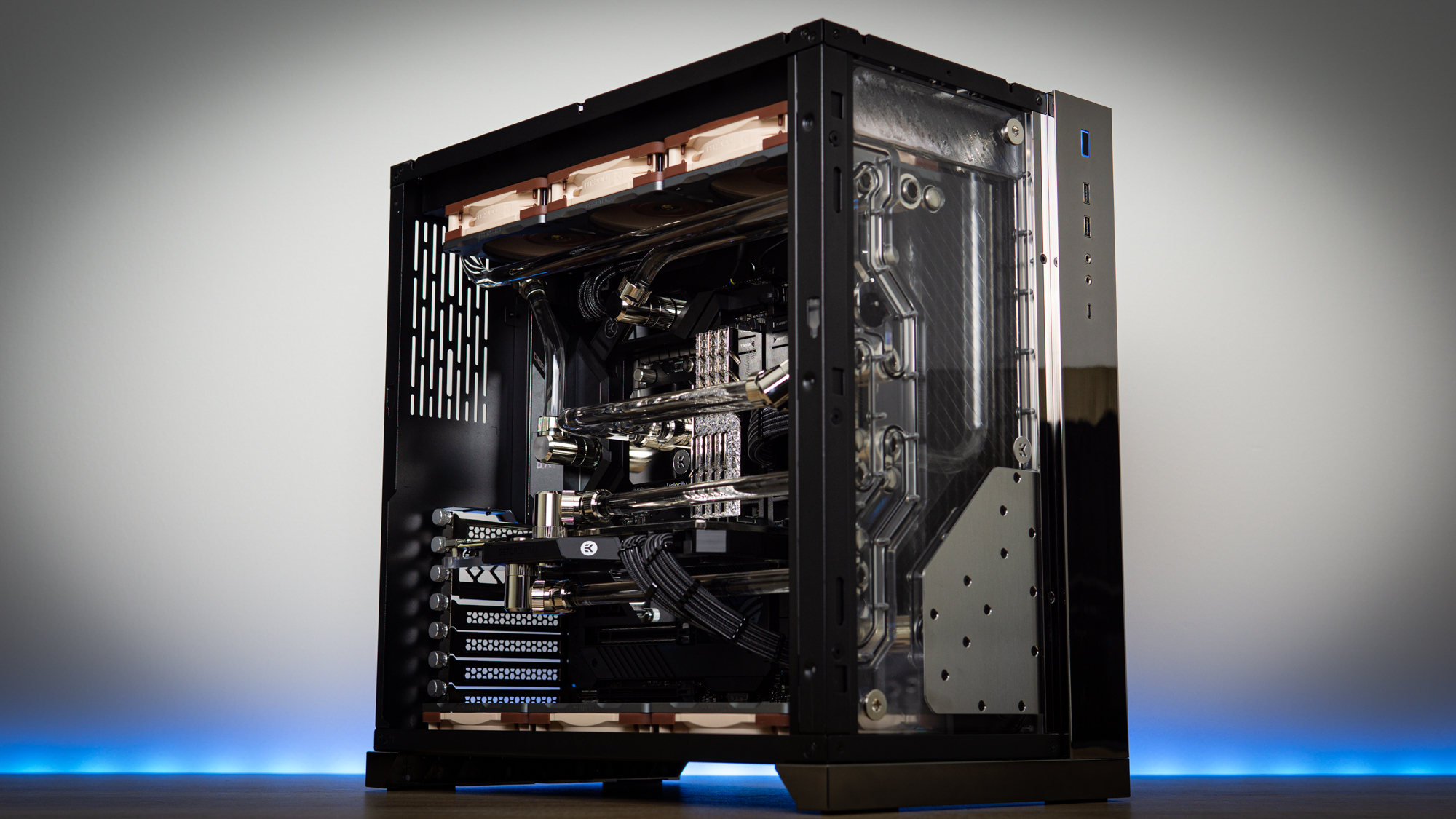

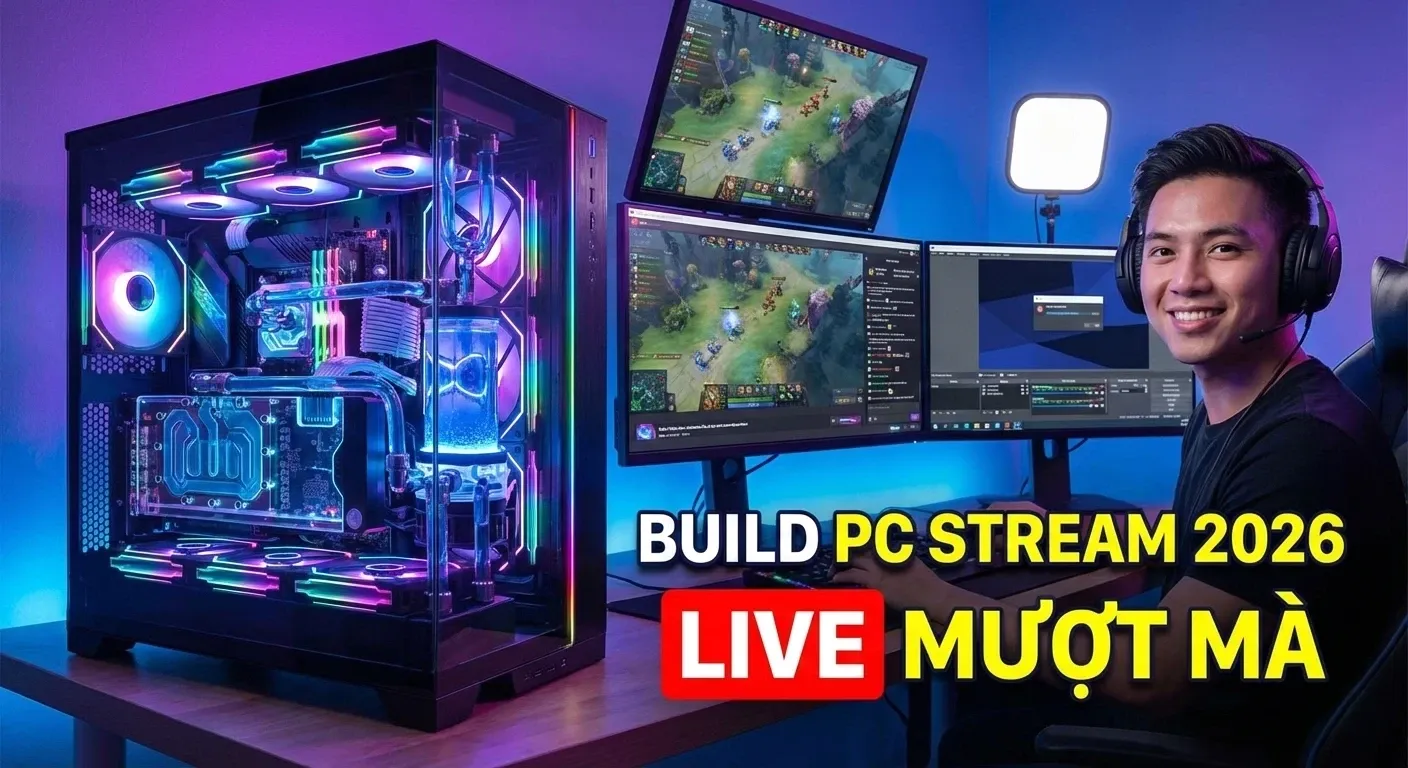
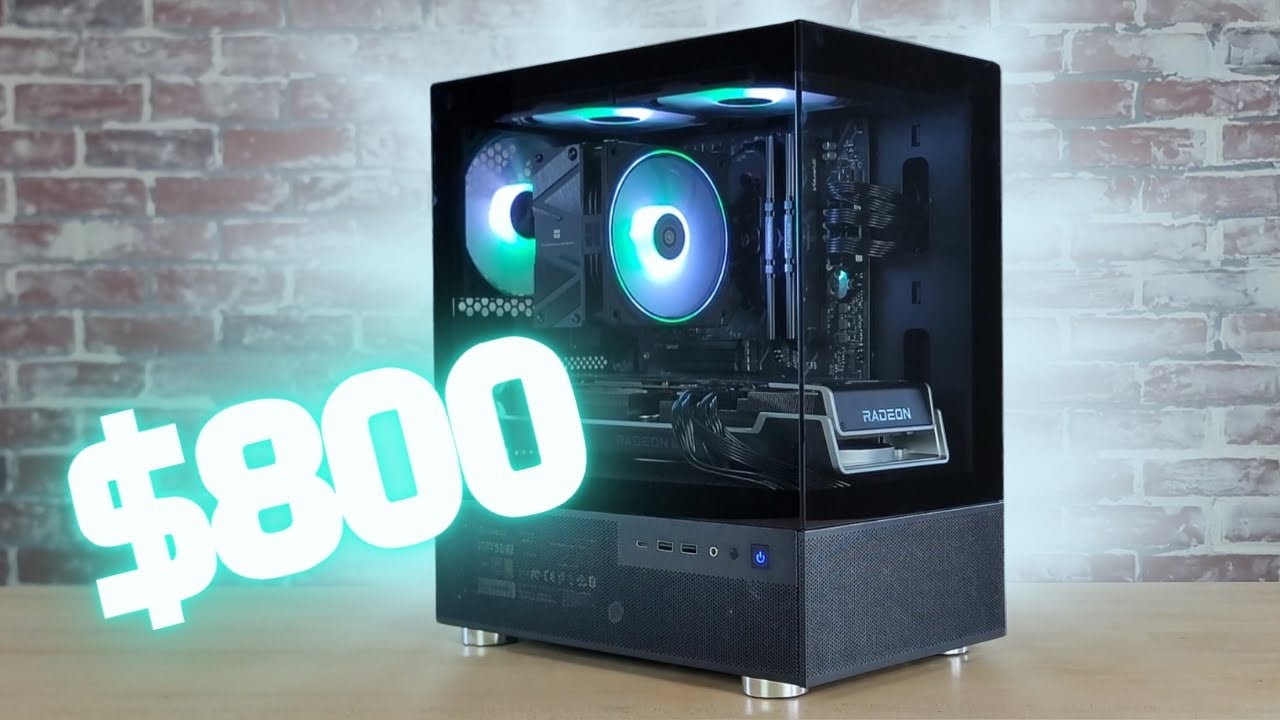
Best Gaming Streaming PC In 2026 High FPS Gaming PC Guru Best Gaming Pc Already Built Featured 800x500 . Desktop Reviews Analysis And Buying Guides Tom S Hardware Tom S . Best 1440p Gaming PC Build 2026 Smooth 100 FPS Performance Without 1536x1024 . Build PC Stream Game 2026 C N C U H Nh Ra Sao Live M T Kh Ng Lag Build PC Stream Game 2026 Can Cau Hinh Ra Sao De Live Muot Khong Lag.webp. Best Budget Gaming PC Builds For 2026 500 800




Best Gaming Laptops At CES 2026 RTX 5090 Options Dual Screen Picks Lenovo Legion Pro Rollable Concept. The Best Gaming PC Of 2026 Top Prebuilt Desktops Gaming Pc . Good Cheap PC Is It Real For You 8ca85 1920 . Prebuilt Vs Custom Build Vs Gaming PC 2026 2026 Verdict Gaming PC Guru Best Graphics Card Reviewed Compared Hero . Best Custom Gaming PC Builds For 2026 Budget To Flagship Rigs IMG 3182 0c8901ba 408e 430f A332 180x@2x


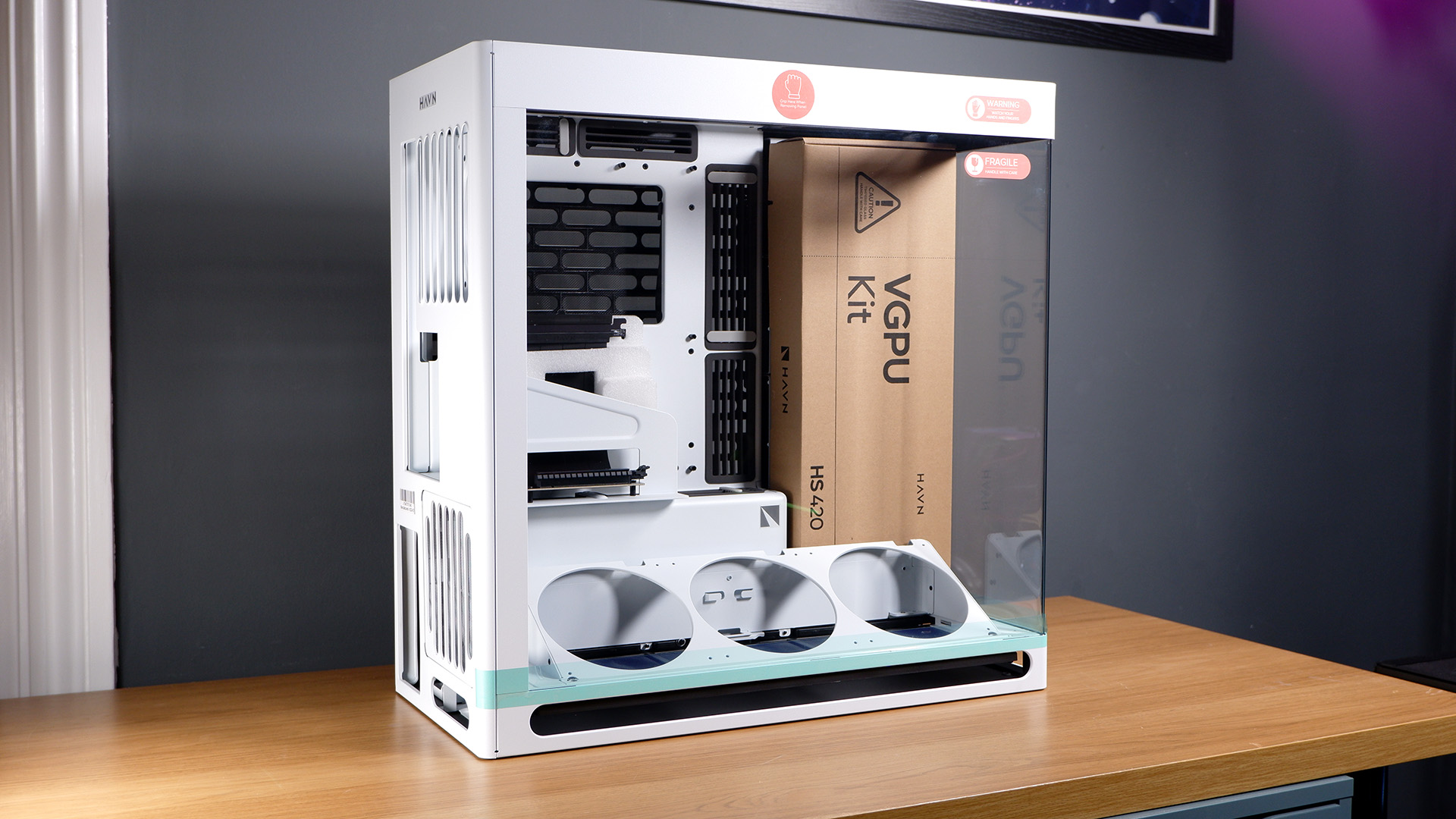

Ultimate 1440p And 4K Gaming PC Builds For 2026 1024x1024 . Products Dan S Custom Built Gaming Beasts 450E6908 FE94 44E9 A994 . What Was The Top PC Gaming Experience Best Gaming Desktops . What Makes A Great Gaming PC Chassis Choice . Products Dan S Custom Built Gaming Beasts IMG 0134 E0576fba F401 4ace 9036