Unlock the secret to an immersive Roblox gaming experience by learning how to add music in Roblox Studio. For the busy gamer creators juggling work and life mastering game sound can elevate your projects from good to unforgettable. This comprehensive guide provides actionable steps and expert insights to integrate captivating audio into your Roblox games ensuring your creations resonate with players. Discover the best practices for finding approved music utilizing sound objects scripting dynamic playback and optimizing performance all while balancing your limited time. We delve into current trends like social gaming and mobile dominance showing you how strategic audio implementation keeps your game fresh and engaging for a thriving player base. Whether you are aiming for relaxation skill building or social play understanding sound mechanics is crucial. Dive in to solve common setup issues enhance player engagement and stay current with efficient game development techniques tailored for the modern US gamer.
Related games- Guide to Methaphone Roblox Your Ultimate Gamer Escape
- GTA VCS PSP Cheats Guide: Dominate Vice City!
- Guide to Top Gaming Rigs: Your Ultimate 2026 Setup
- Roblox Script Hacking Explained Risks and Safe Alternatives
- Guide Can You Play GTA on Nintendo Switch
How do I add background music to my Roblox game?
Adding background music to your Roblox game involves a few simple steps. First, you'll need to find an approved audio track from the Roblox Creator Marketplace and copy its unique Asset ID. Next, in Roblox Studio, insert a 'Sound' object into your Workspace (or another appropriate container). In the 'Properties' window of this Sound object, paste the Asset ID into the 'SoundId' field, set 'Looped' to true for continuous playback, and optionally set 'Playing' to true if you want it to start immediately when the game loads. Adjust the 'Volume' property to ensure it blends well with other game sounds. This ensures a consistent and immersive audio experience for your players, critical for retaining engagement among busy adult gamers.
Where do I get audio IDs for Roblox Studio?
Audio IDs for Roblox Studio are primarily sourced from the Roblox Creator Marketplace. You can access this either through the 'Toolbox' in Roblox Studio (under the 'View' tab, then selecting the 'Audio' category) or by visiting the official Roblox Create website and navigating to the 'Audio' section. When you find a sound or music track you want to use, click on it to view its details. The numeric string in the URL (e.g., roblox.com/library/1234567890/...) or explicitly listed in the item's properties is the Asset ID you'll use in your 'Sound' objects. Always ensure the audio is permitted for use to avoid copyright issues.
What are the rules for copyrighted music in Roblox?
The rules regarding copyrighted music in Roblox are very strict and designed to protect intellectual property rights. You are only permitted to use audio assets for which you either own the copyright or have obtained explicit licensing permission. This primarily means using sounds and music directly from the Roblox Creator Marketplace (which are pre-approved) or uploading your own original, royalty-free content. Using commercial music without proper licensing is a violation of Roblox's Terms of Service and can result in your content being removed, your game being taken down, and even your account facing severe moderation actions. Staying compliant helps you maintain a healthy developer account and avoid unnecessary headaches.
Can I use my own custom sound files in Roblox Studio?
Yes, you can absolutely use your own custom sound files in Roblox Studio, provided they are your original creations or you possess the necessary usage rights/licenses. To do this, you'll need to upload your audio files (typically in MP3 or OGG format) through the Roblox Create website. Navigate to the 'Audio' section, select 'Upload Asset,' and follow the prompts. After successful upload and moderation approval (which ensures content adheres to Roblox guidelines), your file will be assigned a unique Asset ID. You can then use this ID just like any other marketplace audio in your game, allowing for truly unique soundscapes and personal touches to your projects.
How do I make music loop in Roblox?
To make music loop continuously in Roblox, ensuring a constant background soundtrack or ambient sound, you need to configure the 'Looped' property of your 'Sound' object. After inserting a 'Sound' object into your game and setting its 'SoundId' to your desired audio asset, simply select the 'Sound' object in the 'Explorer' window. Then, in the 'Properties' window, locate the 'Looped' checkbox and ensure it is checked. This will cause the music to automatically restart from the beginning once it reaches its end, providing a seamless audio experience for players who enjoy continuous immersion.
What's the best way to control music volume in Roblox?
The most straightforward way to control music volume in Roblox is through the 'Volume' property of the 'Sound' object itself. Within Roblox Studio, select your 'Sound' object in the Explorer, and in the Properties window, you'll find a 'Volume' slider (with values typically ranging from 0 to 10). Adjust this to find the perfect balance for your game. For more dynamic control, you can use a script to programmatically change the 'Volume' property based on game events, player settings, or proximity, offering a customizable and optimized audio experience that modern gamers appreciate.
Why isn't my music playing in Roblox Studio?
If your music isn't playing in Roblox Studio, several common issues could be at play. First, double-check that the 'SoundId' property in your 'Sound' object is correctly entered with a valid 'rbxassetid://' link. Ensure the 'Playing' property is checked if you want the music to start automatically, and verify the 'Volume' isn't set to 0. Also, confirm the audio asset has passed Roblox's moderation process. Sometimes, the 'Sound' object might be parented incorrectly, or a script intended to play it might have an error. Check your Studio's output window for any error messages, and ensure your device's audio is functional and unmuted.
Ever noticed how a great soundtrack can completely transform your gaming experience? For us gamers, who often balance epic quests with real-life responsibilities like jobs and families, that immersive audio isn't just a bonus—it's essential for relaxation, fun, and even social connection. In Roblox, where creativity reigns supreme, adding the right music can be the difference between a game that gets a few clicks and one that becomes a player favorite. You're building worlds, and sound is the soul of those worlds.
You might be thinking, "I barely have time to play, let alone learn complex game development!" We get it. Many of the 87% of US gamers who play regularly, often clocking 10+ hours a week, want efficient, practical solutions. This guide is built for you. We'll demystify the process of how to add music in Roblox Studio, turning what might seem like a daunting technical task into a straightforward, rewarding part of your creative flow. From finding approved audio to scripting dynamic soundtracks, we'll cover everything you need to know to enhance your game's atmosphere without sacrificing your precious free time. Let's make your Roblox creations sing, drawing in players who value engaging experiences and seamless performance.
Why Is Music So Important In Your Roblox Game?
Music is more than just background noise; it's a powerful tool for setting mood, signaling events, and enhancing player immersion. For many gamers, especially those seeking an escape or a social hub, the right audio creates a strong emotional connection. Think about how a tense track elevates a chase scene or a calming melody makes a social hangout spot more inviting. In 2026, with mobile gaming dominating and social experiences thriving, high-quality audio is key to keeping players engaged and returning. It helps tell your game's story and guides player emotions, making your world feel more alive and professional.
How Do You Find And Upload Approved Music For Roblox Studio?
Finding the right music starts with understanding Roblox's audio guidelines. You can't just use any song due to copyright laws. The best source is the Roblox Creator Marketplace. Here's how to navigate it:
- Browse the Creator Marketplace: Open Roblox Studio, go to the 'View' tab, and click 'Toolbox'. Select the 'Audio' category from the dropdown.
- Filter and Discover: You'll find a vast library of sounds and music uploaded by Roblox and other creators. You can filter by genre, duration, or even 'Free' to find no-cost options.
- Preview and Select: Listen to tracks to find what fits your game's theme. Once you find one, copy its Asset ID. This ID is crucial for adding the music to your game.
- Uploading Custom Audio: If you have your own royalty-free music or sounds (that you explicitly have permission to use), you can upload them. Go to the Roblox Create page online, navigate to 'Audio', and click 'Upload Asset'. Remember, all uploads are subject to moderation to ensure they comply with Roblox's terms of service and copyright laws. This process ensures legal compliance and a safe creative environment for everyone.
What Are The Basics Of Using Sound Objects In Roblox Studio?
Adding music once you have an Asset ID is quite simple. You'll primarily use a 'Sound' object:
- Insert a Sound Object: In Roblox Studio, go to the 'Explorer' window. Right-click on 'Workspace' (or any other appropriate parent object like a Part, your character, or a ScreenGui if it's UI music) and select 'Insert Object' -> 'Sound'.
- Configure Properties: With the 'Sound' object selected in the Explorer, look at the 'Properties' window.
- SoundId: This is the most important property. Paste the Asset ID you copied from the Creator Marketplace here. It should look like 'rbxassetid://1234567890'.
- Playing: Check this box if you want the sound to start playing immediately when the game loads.
- Looped: Check this box if you want the music to play continuously, repeating once it finishes. This is ideal for background music.
- Volume: Adjust this slider to control how loud the music is. Start around 0.5 and test it in-game to find a good balance with other game sounds.
- Test in Studio: Press 'Play' or 'Run' in Roblox Studio to hear your music in action. Adjust properties as needed.
How To Script Dynamic Music Playback In Your Game?
For more control, scripting is your friend. This allows music to change based on game events, player location, or time of day. Here’s a basic example:
Let's say you want music to play when a player touches a certain part:
local part = workspace.MyMusicTriggerPartlocal sound = Instance.new("Sound")sound.SoundId = "rbxassetid://YOUR_MUSIC_ASSET_ID"sound.Parent = workspacesound.Looped = truesound.Volume = 0.6
part.Touched:Connect(function(hit) local player = game.Players:GetPlayerFromCharacter(hit.Parent) if player and not sound.IsPlaying then sound:Play() endend)
This simple script checks if the player touches 'MyMusicTriggerPart' and, if so, starts playing the music. You can expand on this to create complex music systems, fading between tracks or pausing music during cutscenes. Scripting allows for a truly adaptive audio experience, which is highly valued by modern gamers.
What Are The Best Practices For Managing Audio Assets?
Organizing your audio makes development much smoother. A cluttered Explorer can quickly become a nightmare, especially for busy creators.
- Use Folders: Create folders in the Explorer (e.g., 'Sounds', 'Music') to group your audio assets. This keeps your Workspace clean and makes finding specific tracks easy.
- Meaningful Naming: Rename 'Sound' objects to something descriptive, like 'BackgroundMusicLoop_Forest' or 'SFX_JumpSound'.
- Parenting: Consider where you parent your Sound objects. If it's ambient music for the whole game, 'Workspace' is fine. If it's a sound for a specific item, parent it to that item. For UI-related music, a 'ScreenGui' might be appropriate.
- Preloading: For larger games or those with many sounds, consider preloading audio assets to prevent lag spikes when they first play. The ContentProvider service has a 'PreloadAsync' function that can help.
How Can I Ensure My Music Performance Is Optimized?
Performance is crucial, especially for the significant portion of US gamers who play on mobile devices or have budget hardware. Unoptimized audio can cause lag and ruin the experience.
- Compress Audio: Roblox automatically compresses audio, but ensure your original files aren't excessively large before uploading.
- Limit Concurrent Sounds: Avoid having too many sounds playing at the same time. If multiple sounds are near each other, only play the most relevant ones.
- Use Distant Sounds: For environmental sounds, use 'RollOffMode' and 'RollOffMinDistance' properties to control how sound fades with distance. This prevents sounds from far away from consuming resources unnecessarily.
- Streamed vs. Non-Streamed: Roblox automatically streams larger audio files, which helps with performance. For very short sound effects, they might be fully loaded. Be mindful of the total memory footprint of your audio.
- Test Across Devices: Always test your game's audio on different devices (PC, mobile, console if applicable) to ensure consistent performance and sound quality. This aligns with the reality of cross-play prevalent among Gen Z and Millennial gamers.
Where Can I Find Royalty Free Music For Roblox Games?
Navigating copyright can be tricky, but there are excellent resources for royalty-free music that's safe to use:
- Roblox Creator Marketplace: As mentioned, many tracks here are specifically for Roblox and are safe.
- Dedicated Royalty-Free Music Sites: Websites like Incompetech, Kevin MacLeod (often cited), Pixabay, or Free Music Archive offer vast libraries of music under Creative Commons licenses. Always double-check the specific license for each track; some may require attribution.
- Create Your Own: If you have musical talent, composing your own tracks is the safest way to ensure unique, copyright-free audio.
Using copyrighted music without permission can lead to your game being taken down and even account penalties. Always prioritize legitimate sources.
What Common Pitfalls Should I Avoid When Adding Music?
Even experienced creators can stumble. Here are some common issues and how to steer clear of them:
- Copyright Infringement: This is the biggest pitfall. Never use music you don't have the rights to. Stick to the Creator Marketplace or verified royalty-free sources.
- Asset ID Errors: Double-check that you've copied the correct Asset ID. A wrong ID will result in no sound.
- Volume Imbalance: Music that's too loud or too quiet can ruin immersion. Constantly test and adjust volume levels relative to other in-game sounds and player chat.
- Repetitive Loops: While looping is necessary for background music, ensure the loop point is seamless and the track isn't too short, leading to irritating repetition. Consider longer tracks or variations.
- Not Stopping Old Music: When transitioning between tracks or scenes, ensure you stop the previous music to avoid overlapping sounds.
- Lack of User Control: Many players appreciate an in-game option to mute music or adjust its volume. Consider adding simple UI controls for this. This enhances the user experience, allowing players to balance their gaming sound with other real-life sounds or preferences.
Can I Use Any Music I Want In My Roblox Game?
No, you cannot use any music you want in your Roblox game. This is a crucial point for all creators to understand. Using copyrighted music without explicit permission from the rights holder is illegal and violates Roblox's Terms of Service. Doing so can lead to your audio assets being removed, your game being taken down, and even your Roblox account facing moderation actions, including a ban. Always stick to the Roblox Creator Marketplace for approved assets or seek out royalty-free music from reputable sources that grant you a license for commercial use, ensuring you provide proper attribution if required. This safeguards both your creative work and your account.
How Do I Test My Game's Audio Effectively?
Thorough testing ensures your music enhances, rather than detracts from, the player experience. Don't just test once; integrate audio testing into your regular development cycle.
- Playtest Regularly: Continuously play your game in Studio and on the Roblox client (PC, mobile, tablet) to hear how the music sounds in different contexts.
- Listen for Balance: Is the music too loud compared to sound effects or character dialogue? Does it overwhelm ambient sounds? Adjust volumes accordingly.
- Check Transitions: If you have dynamic music, ensure transitions between tracks or states are smooth and not jarring.
- Observe Performance: Look for any dips in frame rate or stuttering that might coincide with music starting or stopping, especially on less powerful devices. This is particularly relevant for the average gamer who values smooth performance on diverse hardware.
- Gather Feedback: Ask playtesters for their opinions on the music. Do they enjoy it? Is it fitting? Is anything annoying or distracting? Social feedback is incredibly valuable in game development.
Adding music to your Roblox game is a powerful way to create a memorable and immersive experience for your players. By following these steps and best practices, you can confidently integrate compelling soundtracks that elevate your creations, resonate with your audience, and help you stand out in the vast world of Roblox. Balancing your passion for creation with your daily life is achievable when you have clear, actionable guidance. What's your biggest gaming challenge when it comes to adding creative flair to your projects? Comment below!
FAQ Section
Q: Does adding music make my Roblox game lag?
A: If not optimized, excessive or uncompressed audio can cause minor lag. However, Roblox streams most audio, and by using appropriate file sizes and managing concurrent sounds, the impact is usually negligible. Focus on quality assets and smart implementation.
Q: Can mobile players hear all music added to my game?
A: Yes, if the audio is properly uploaded, moderated, and implemented within Roblox Studio, mobile players will hear it just like PC players. Ensure your audio design considers potential mobile performance constraints.
Q: What's the best music format to upload to Roblox?
A: Roblox primarily supports MP3 and OGG formats. It's best to upload high-quality but reasonably sized files; Roblox will handle conversion and compression for optimal streaming in-game.
Q: How do I make music fade in or out in Roblox Studio?
A: To fade music, you'll need to use scripting. You can gradually increase or decrease the Sound object's 'Volume' property over a short period using a 'Tween' or a simple loop, creating a smooth transition effect.
Q: Are there any free tools to create my own game music for Roblox?
A: Yes! Tools like GarageBand (for Apple users), LMMS, or online sequencers can help you compose original royalty-free music. They offer a great way to personalize your game's audio and avoid copyright concerns.
How to add background music to my Roblox game?
To add background music to your Roblox game, first find an approved audio track on the Roblox Creator Marketplace and copy its Asset ID. Then, insert a 'Sound' object into your game's Workspace via the Explorer window. In the Sound object's Properties, paste the Asset ID into the 'SoundId' field, check the 'Looped' box for continuous playback, and optionally check 'Playing' to start it automatically. Adjust the 'Volume' to a suitable level, then test in Studio.
Where do I get audio IDs for Roblox Studio?
Audio IDs for Roblox Studio are found on the Roblox Creator Marketplace. Navigate to the 'Audio' section within the Toolbox in Roblox Studio or on the online Create page. Browse for sounds or music you wish to use, click on the item, and locate the numeric ID displayed in the URL or in the item's details. This unique 'rbxassetid' number is what you'll input into your Sound object's properties.
What are the rules for copyrighted music in Roblox?
The rules for copyrighted music in Roblox are strict: you cannot use any music without explicit permission from the copyright holder. This means you must only use audio from the Roblox Creator Marketplace, which is pre-approved, or genuine royalty-free music where you have a valid license for commercial use. Violating these rules can lead to asset removal, game takedown, and even account suspension.
Can I use my own custom sound files in Roblox Studio?
Yes, you can use your own custom sound files in Roblox Studio, provided you own the intellectual property rights or have obtained the necessary licenses. You'll need to upload these audio files (MP3 or OGG) through the Roblox Create page's 'Audio' section. Once uploaded and approved by moderation, Roblox will provide you with a unique Asset ID for your custom sound, which you can then use in Studio.
How do I make music loop in Roblox?
To make music loop endlessly in Roblox, simply select the 'Sound' object in your Explorer window within Roblox Studio. In the 'Properties' window for that Sound object, locate and check the 'Looped' checkbox. This single property ensures that once the audio track finishes playing, it will automatically restart from the beginning, creating continuous background music or ambient sound.
What's the best way to control music volume in Roblox?
The best way to control music volume in Roblox is by adjusting the 'Volume' property of the 'Sound' object in the Properties window. Values range from 0 (silent) to 10 (maximum). For dynamic control, a script can gradually change this 'Volume' property, allowing for fades or volume adjustments based on game events or player preferences via UI sliders, enhancing the personalized gaming experience.
Why isn't my music playing in Roblox Studio?
If your music isn't playing in Roblox Studio, first check the 'SoundId' property for a correct Asset ID (rbxassetid://1234567890). Ensure the 'Playing' checkbox is enabled if you want it to start automatically. Verify the 'Volume' isn't set to 0. Also, confirm the audio asset has been moderated and approved by Roblox, and check your Studio's sound output settings. Sometimes, a simple restart of Studio helps resolve minor glitches.
Add approved music using Sound objects Script playback Find royalty free audio Optimize sound performance Avoid copyright issues Test game audio effectively Understand SoundId properties Manage audio assets efficiently
35


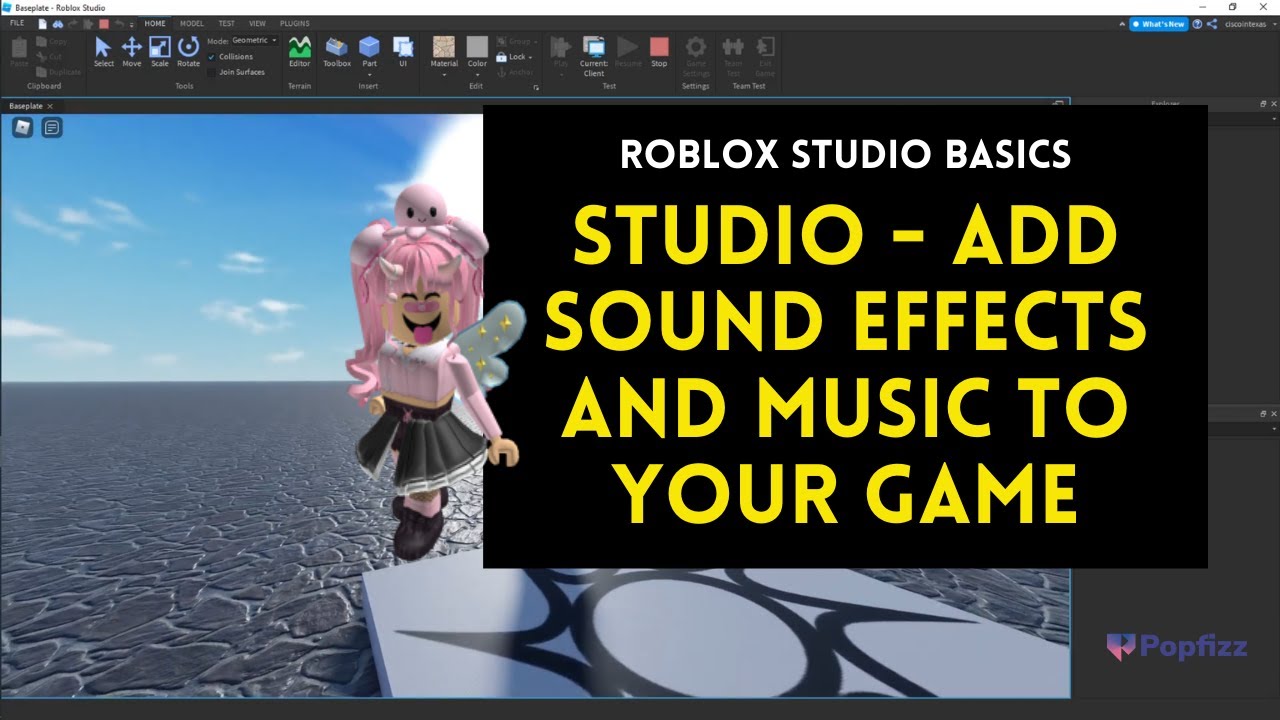

How To Add Music In Roblox Studio Insert Background Music In Your . How To Make A Music Playlist In Roblox Studio YouTube . How To Add Background Music In ROBLOX STUDIO Very Easy YouTube . How To Play Music Roblox Studio At Bernadette Williams Blog . How To Add Music To Your Roblox Game 2026 Full Guide YouTube


How To Add Video In Roblox Studio At Phillip Dorsey Blog . How To Add FREE BACKGROUND MUSIC To Your Roblox Games Roblox Studio . How To Add Music To Your Roblox Game Full Guide YouTube . How Do I Get Roblox Studio Easily Today Studio . Roblox Music Codes 2026 How Song IDs Work And The Best Ones To Try Roblox Hub Music Codes 1024x683


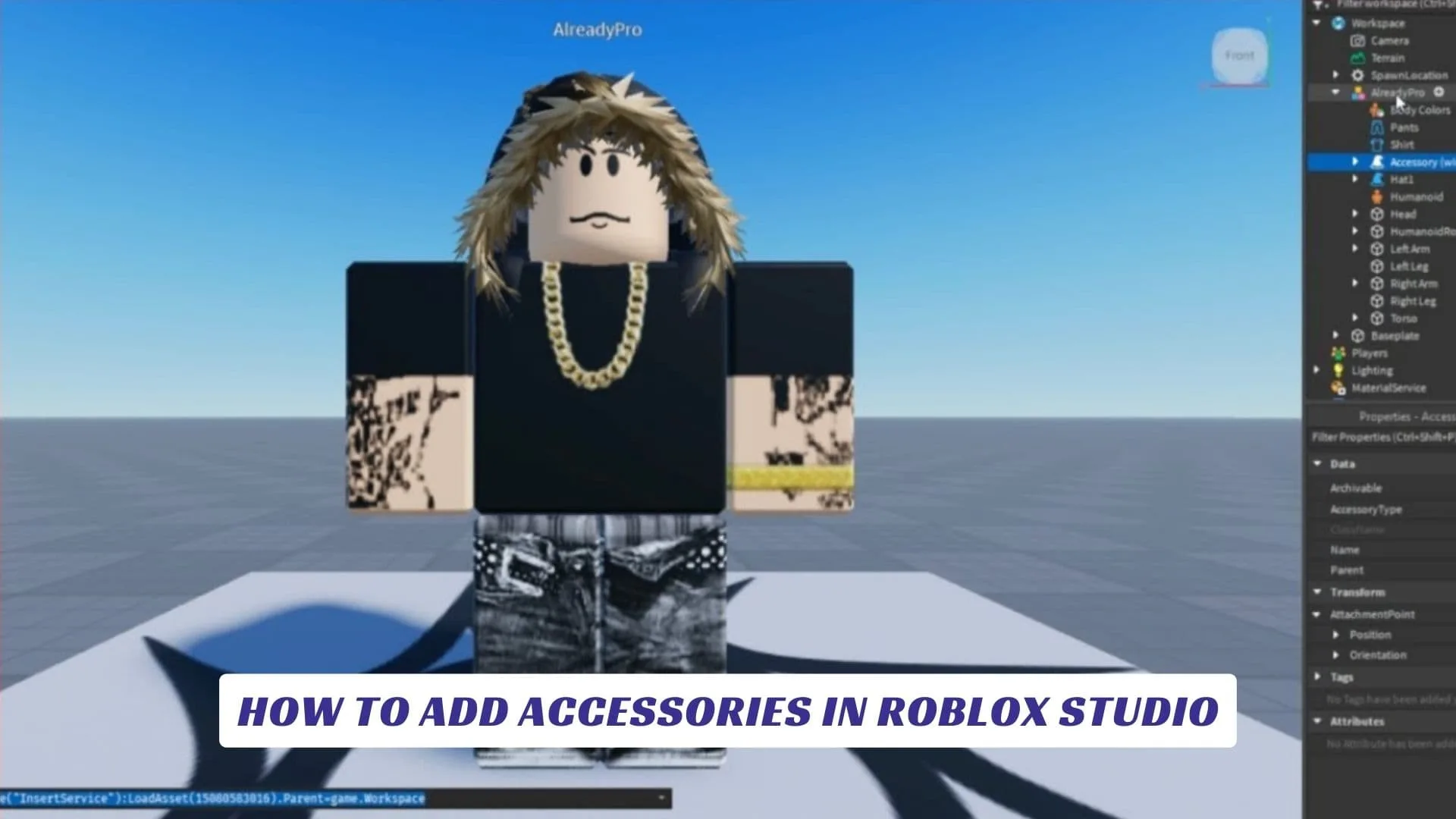

Roblox Programming Everything You Need To Know Screen Shot 2024 11 29 At 7.08.14 AM . Level Up Your Roblox Soundboards Explained . Unlocking Music In Roblox MIDI Is It Possible 1200x1769 . How To Add Accessories In Roblox Studio Lawod How To Add Accessories In Roblox Studio.webp. How To Add BACKGROUND MUSIC NO SCRIPTING ROBLOX STUDIO 2024 YouTube



How To Publish A Game On Roblox In 2026 Roblox YouTube . How To Add People Roblox Easily Your 2026 Guide . How To Add People Roblox Easily Your 2026 Guide . How To Add Music To Your Game In Roblox Studio Easy Method YouTube . How To Add Your Own Music In Roblox Studio Quick Guide YouTube


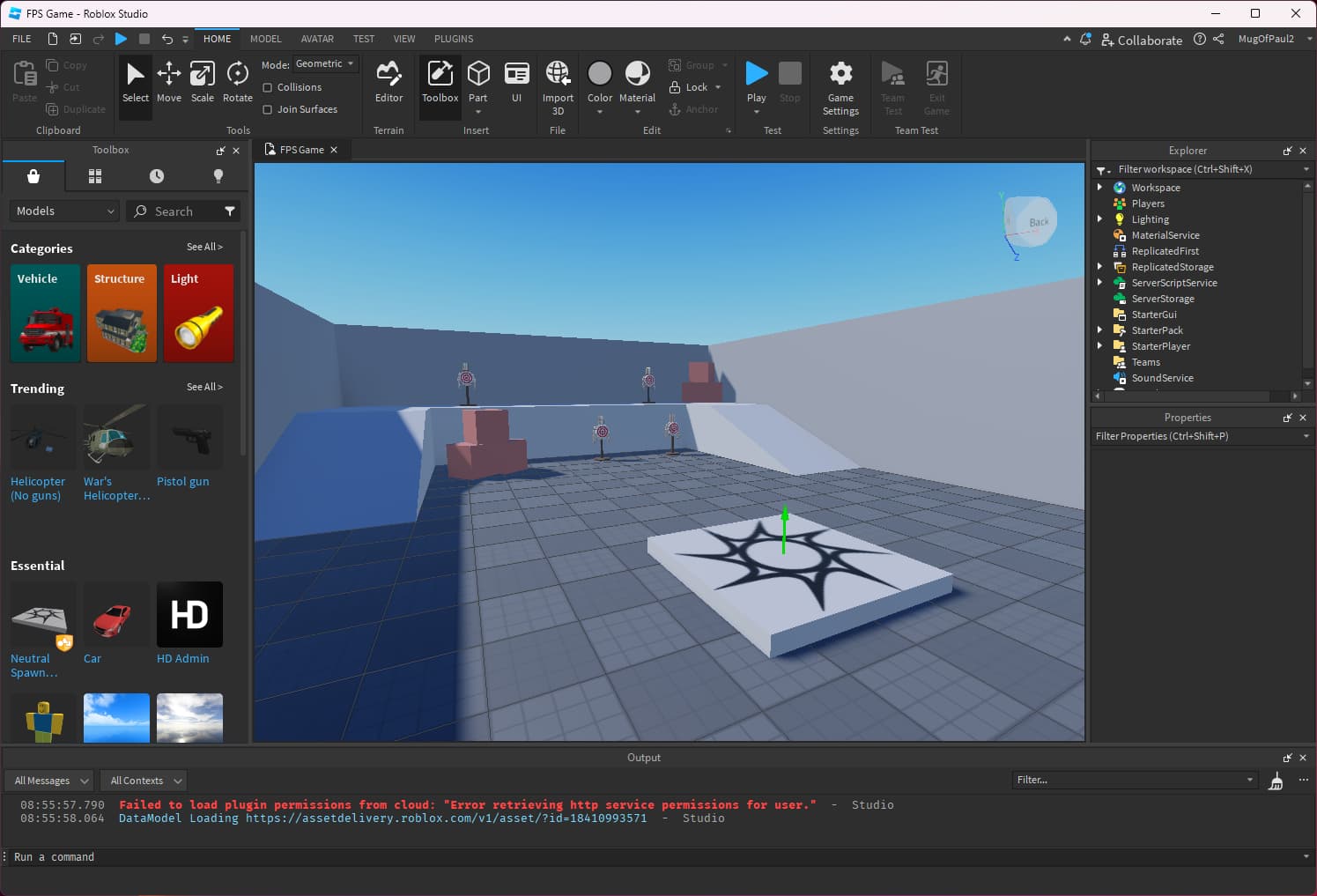

How To Make A Music Playlist System Roblox Studio Tutorial YouTube . How To Add Music In Different Areas On Roblox Studio 2025 YouTube . How To Add Background Music To Game In Roblox Studio YouTube . Roblox Studio Step By Step Roblox Studio Download . How To Add BACKGROUND MUSIC In Roblox Studio EASY YouTube



How To Add Music To Your Roblox Game Roblox Studio YouTube . Roblox Music Codes March 2026 Best Song IDs IGeeksBlog Roblox Music Codes 2026 . How To Add Music To Games On Roblox Studio Mobile 2025 YouTube . How To Play Music Roblox Studio At Bernadette Williams Blog . HOW TO ADD MUSIC INTO DIFFERENT AREAS Roblox Studio Tutorial Hqdefault


How To Add Audio In Roblox Studio . Roblox Mu3ic Codes How Do They Elevate Your Game Roblox Music Codes . How To Add Music In Roblox Studio 2024 YouTube . How To ADD Music Into DIFFRENT AREAS 2026 Roblox Studio YouTube . Roblox Studio How To LOOP MUSIC YouTube