Ever wondered how to capture those epic in game moments to share with friends or analyze your gameplay to improve your skills This guide on how to record a gaming video is your ultimate resource Whether you are a casual gamer balancing work and family or a dedicated enthusiast aiming to optimize performance understanding the right tools and techniques is crucial We dive into practical solutions for common pain points like setting up recording software without impacting game performance choosing budget friendly hardware and effectively editing your clips for maximum impact and minimal time investment Our comprehensive insights help you navigate the ever evolving landscape of gaming content creation ensuring you can easily immortalize your virtual adventures and connect with the thriving US gaming community. You will discover tips tricks and step by step instructions to get you recording like a seasoned content creator in no time.
Q: What are the most popular software options for recording PC gameplay in 2026?
A: In 2026, the most popular PC gameplay recording software includes OBS Studio for its robust customization, Streamlabs Desktop for user friendliness, and GPU-native solutions like NVIDIA GeForce Experience (ShadowPlay) and AMD Adrenalin Software (ReLive) for optimized performance with minimal impact on gameplay. These cater to a wide range of needs from professional streaming to casual clip sharing.
Q: How can I record gaming videos on my console without a capture card?
A: Modern consoles like PlayStation 5, Xbox Series X/S, and Nintendo Switch all feature built-in recording functionalities. You can typically press a dedicated button (Share/Capture) to save recent gameplay or start new recordings directly to the console's storage. Clips can then be uploaded to social media or transferred via USB, offering a convenient way to capture moments without extra hardware.
Q: What are the ideal recording settings to balance quality and performance?
A: For a good balance of quality and performance, aim for 1080p resolution at 60 frames per second (fps). Use a bitrate of 20,000-30,000 kbps, and critically, leverage hardware encoders like NVIDIA NVENC or AMD VCE/AMF if your GPU supports them. This offloads the processing from your CPU, ensuring smoother gameplay and crisp video output without significant lag.
Q: What's the best way to record my voice and webcam alongside gameplay?
A: The best way to record your voice and webcam with gameplay is using versatile software like OBS Studio or Streamlabs Desktop. You can add your game as a source, then add your webcam as a 'Video Capture Device' and your microphone as an 'Audio Input Capture'. This allows you to position and adjust each element independently, creating a personalized and engaging viewing experience.
Q: How do I efficiently edit my gaming videos for quick sharing?
A: For efficient editing, focus on cutting out dead air, loading screens, and any uninteresting segments. Keep videos concise and impactful. Free tools like CapCut (mobile/desktop), DaVinci Resolve (desktop), or Shotcut (desktop) offer intuitive interfaces for trimming, adding simple text overlays, and background music. Aim for short, punchy clips that grab attention quickly for social media platforms.
Q: How can I troubleshoot common game recording problems like lag or stuttering?
A: To troubleshoot lag or stuttering, first ensure your graphics drivers are updated. Close unnecessary background applications to free up system resources. Lower your recording bitrate, resolution, or frame rate if your hardware struggles. Always use hardware encoding (NVENC/AMF) if available. Finally, record to a separate, faster storage drive (like an SSD) if possible, to avoid bottlenecks.
Q: Why is it important for busy gamers to record their gameplay?
A: For busy gamers balancing life and work, recording gameplay is important for several reasons: it preserves epic or funny moments for later enjoyment, allows for skill analysis and improvement in limited play time, and fosters social connection by easily sharing experiences with friends and online communities. It maximizes the value and enjoyment of their precious gaming sessions.
In the vibrant world of US gaming, where 87% of players regularly dive into virtual realms and many spend 10+ hours a week, capturing those unforgettable moments has become more popular than ever. Whether it is an impossible clutch, a hilarious glitch, or a thoughtful walkthrough, recording your gaming videos lets you relive the fun, share with your squad, and even refine your skills. For many of us, balancing a job, family, and life means our gaming time is precious, so we need solutions that are effective, efficient, and do not break the bank or cause endless setup headaches. This guide is designed for the busy gamer aged around 36 who values relaxation, fun, skill-building, and smart spending. We are cutting through the hype to give you practical answers on how to record a gaming video, ensuring your setup is smooth, your performance stays optimized, and your content shines.
You might be thinking, Is it really worth the hassle to record my gameplay? Absolutely. Beyond just sharing cool clips on Discord or social media, reviewing your own footage is a powerful tool for improvement, letting you pinpoint tactical errors or perfect those speedrun routes. With mobile gaming dominating and cross-play becoming the norm, capturing your gaming journey, no matter the platform, is a fantastic way to connect with the broader gaming community and even explore new creative outlets. Let us get into the how-to so you can start immortalizing your gaming victories and epic fails today.
What Is the Best Software to Record Gaming Videos for PC Gamers?
For PC gamers, selecting the right recording software is crucial for both video quality and system performance. The best option often depends on your specific hardware and needs. Many US gamers find themselves torn between ease of use and advanced features, especially when balancing recording with other tasks.
NVIDIA ShadowPlay (now GeForce Experience Share Overlay) is a top choice for those with NVIDIA graphics cards. It is incredibly efficient, leveraging your GPU for recording with minimal performance impact. It allows instant replay, capturing the last few minutes of gameplay with a hotkey, perfect for unexpected highlights. AMD ReLive (part of AMD Adrenalin Software) offers similar functionality for AMD GPU users, providing excellent quality and performance optimization.
OBS Studio is a free and open-source powerhouse, widely used by streamers and content creators. It offers unparalleled flexibility, allowing you to record multiple audio tracks, sources like webcams and browser windows, and customize every setting imaginable. While it has a steeper learning curve, its capabilities are unmatched for those who want full control. Streamlabs Desktop is a user friendly alternative based on OBS, simplifying the setup process for many and integrating well with streaming platforms, making it ideal for gamers who might eventually want to stream. For gamers looking for an integrated solution, Windows Game Bar is built into Windows 10 and 11, offering quick capture functionality without needing extra installs. It is simple, effective for basic clips, but lacks the advanced features of dedicated software.
How Do I Optimize My PC for Smooth Game Recording Without Lag?
Experiencing lag while recording is a common frustration for gamers, especially those with mid-range setups. Optimizing your PC ensures both your game and your recording run smoothly. The goal is to minimize resource contention, allowing both processes enough power to operate efficiently. Many US gamers who juggle work and family often cannot afford top-tier hardware, so smart optimization is key.
First, ensure your graphics drivers are up to date. Outdated drivers can cause performance bottlenecks and instability. Next, close unnecessary background applications. Every program running in the background consumes CPU, RAM, and GPU resources that could otherwise be allocated to your game and recording software. Use Task Manager to identify and close resource intensive applications before you start gaming and recording.
Adjust your recording software settings. Lowering the recording resolution (e.g., from 4K to 1080p), frame rate (e.g., from 60fps to 30fps), or bit rate can significantly reduce the load on your system. While this might slightly reduce video quality, a smooth recording at a slightly lower quality is always better than a choppy high-quality one. Consider using hardware encoding (like NVIDIA NVENC or AMD VCE/AMF) if your GPU supports it, as this offloads the encoding process from your CPU, dramatically improving performance. Finally, record to a separate hard drive if possible, especially an SSD. Writing game data and recording data to the same drive can create a bottleneck, leading to stuttering.
Can I Record Console Gameplay Easily Without a PC or Capture Card?
Yes, modern consoles offer built-in recording features that make capturing gameplay surprisingly easy and often eliminate the need for an external PC or capture card. This is a huge win for gamers who prioritize convenience or are on a budget, allowing them to share moments without a complex setup.
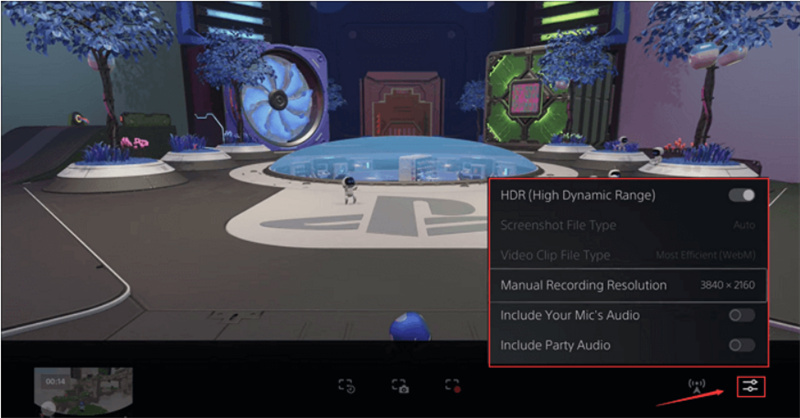
PlayStation 5 and PlayStation 4 have robust Share features. A quick tap of the Share button brings up options to save recent gameplay (typically the last 15-60 minutes) or start a new recording. You can adjust video quality and length in the console settings. Once recorded, clips can be easily edited directly on the console using a basic editor and then uploaded to YouTube, Twitter, or transferred to a USB drive. Xbox Series X/S and Xbox One also offer similar built-in functionality. Pressing the Xbox button brings up the guide, where you can choose to record what happened (up to 2 minutes at 1080p, or longer at lower quality) or start recording a new clip. These clips are saved to your console and can be uploaded to Xbox Live, OneDrive, or a connected USB drive. Nintendo Switch allows you to hold down the Capture button to save the last 30 seconds of gameplay. While more limited in duration, it is perfect for quick highlights. These clips can be shared directly to social media or transferred to a microSD card.
These console-native options are fantastic for casual sharing. However, for longer, higher-quality, or more professionally edited videos, a dedicated capture card connected to a PC is still the go-to solution for many serious content creators.
What Are the Essential Settings for High-Quality Gaming Video Recording?
Achieving high-quality gaming videos without excessive file sizes or performance issues requires balancing several key settings. Understanding these will help you produce crisp, clear footage that looks professional and engages your audience, whether you are sharing personal achievements or building a community around your favorite social games.
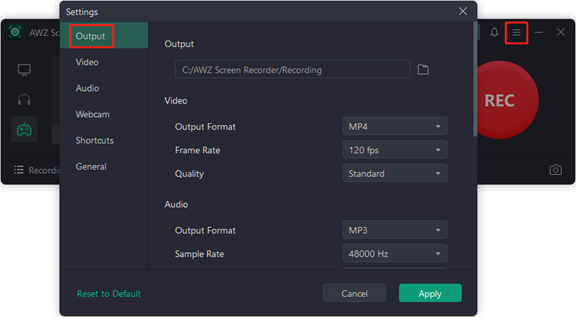
The most critical settings include: Resolution and Frame Rate, Bitrate, and Encoder. For Resolution and Frame Rate, aim for 1080p at 60 frames per second (fps) as a standard for most modern gaming content. While 4K is available, it demands significant system resources and produces very large files, often overkill unless your audience is specifically watching on 4K displays. 30fps is acceptable for slower-paced games or if your system struggles, but 60fps offers a much smoother viewing experience, especially for fast-action titles.
Bitrate determines the amount of data encoded per second. Higher bitrates mean better quality but also larger file sizes. For 1080p 60fps, a bitrate of 20,000-30,000 kbps (kilobits per second) is generally recommended for excellent quality. For 30fps, 10,000-15,000 kbps might suffice. Experiment to find the sweet spot for your system. The Encoder is the technology used to process your video. Hardware encoders like NVIDIA NVENC or AMD VCE/AMF are highly recommended as they offload the work to your GPU, leaving your CPU free to run the game. Software encoders (like x264 in OBS) use your CPU and can offer slightly better quality at the same bitrate but can significantly impact game performance, especially on less powerful machines. Always prioritize hardware encoding if available.
How Do I Record My Voice and Webcam with My Gameplay?
Adding your voice commentary and webcam feed elevates your gaming videos, making them more personal, engaging, and relatable for your audience. It helps build a connection, especially for gamers who value the social aspect and personality behind the gameplay. This integrated approach is common for content creators aiming for a more immersive experience for viewers.
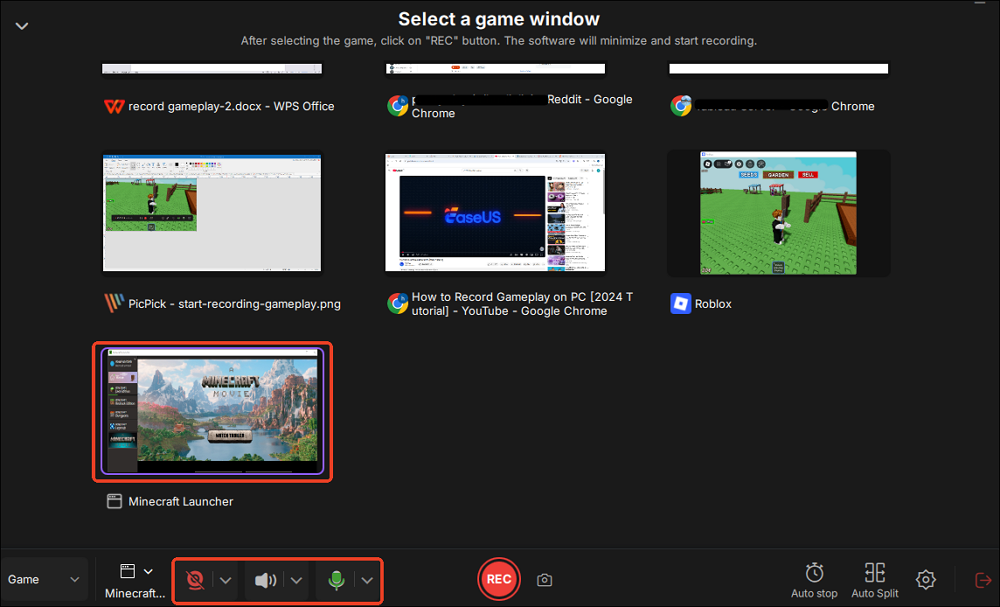
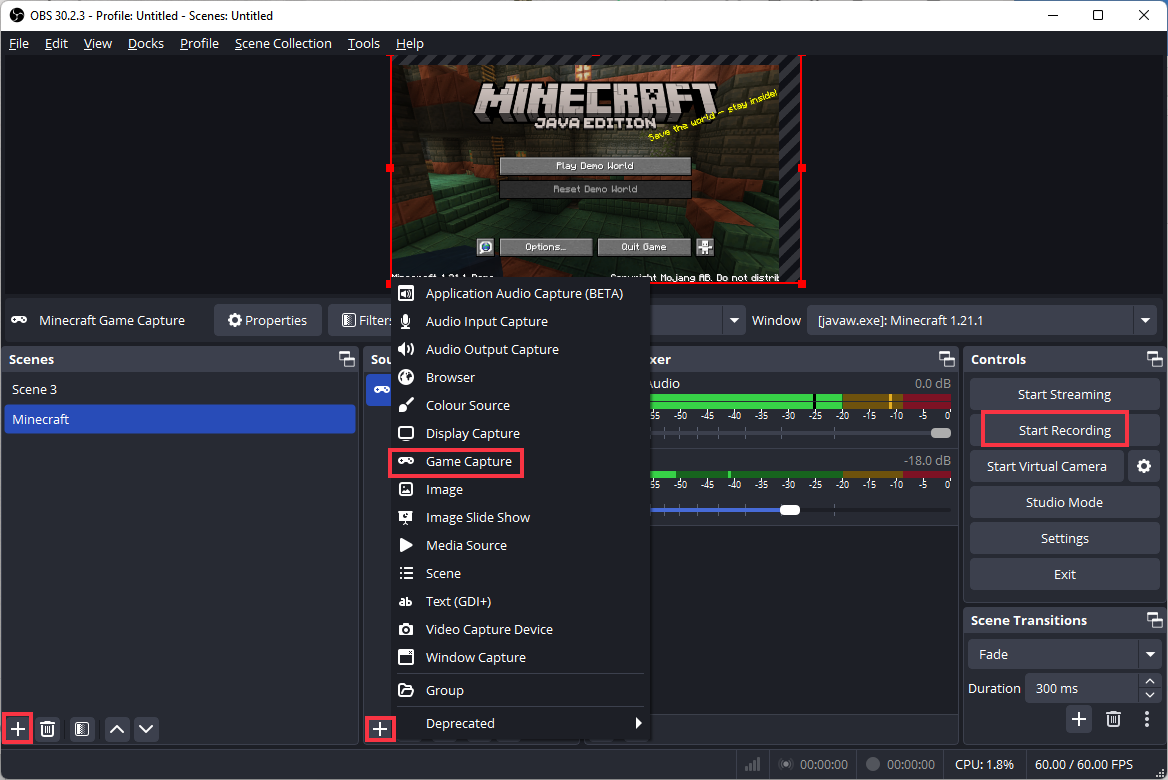
Most dedicated recording software, like OBS Studio or Streamlabs Desktop, makes this process straightforward. In OBS, you would add your game as a Game Capture or Display Capture source. Then, add your webcam as a Video Capture Device source and your microphone as an Audio Input Capture source. Position your webcam feed on the screen where it will not obscure crucial gameplay elements. Adjust the sizes and layering to your preference. Ensure your microphone is properly selected and its volume levels are set correctly to avoid distorted or too quiet audio. Use push-to-talk if you find you are making a lot of unwanted background noise during gameplay, which can be configured within the audio settings of your recording software.
If you are using console-native recording, adding a webcam and microphone is often more restrictive. PlayStation and Xbox support connecting specific USB cameras and headsets, allowing you to include your voice and face directly into your console recordings. Check your console settings for options under broadcast or capture and share. For mobile gaming, many recording apps allow you to simultaneously record your screen, internal audio, and front-facing camera, providing an all-in-one solution for mobile content creation. Always do a short test recording to check audio synchronization and video quality before diving into a long recording session.
Are There Any Free and Reliable Options for Recording Gaming Videos?
Absolutely! You do not need expensive software or hardware to start recording your gaming videos. Several excellent free and reliable options are available that cater to different platforms and needs, making content creation accessible even on a budget. This is great news for gamers who are looking to explore content creation without a significant financial commitment, allowing them to test the waters and see if it is a hobby they enjoy.
For PC users, OBS Studio is arguably the best free option. As mentioned earlier, it is incredibly powerful and versatile, supporting high-quality recording, multiple sources, and extensive customization. While it has a learning curve, countless tutorials online can help you get started. Streamlabs Desktop, another free choice, provides a more user-friendly interface built upon OBS, making it easier for beginners to jump in. NVIDIA GeForce Experience (for NVIDIA GPUs) and AMD Adrenalin Software (for AMD GPUs) both include free, high-performance recording utilities (ShadowPlay/ReLive) that are optimized for their respective hardware, offering excellent quality with minimal performance impact. Windows Game Bar, built into Windows 10 and 11, is another free option for basic game recording, quick clips, and screenshots.
For console gamers, the built-in recording features on PlayStation, Xbox, and Nintendo Switch are entirely free. They allow you to capture and share clips without any additional purchases. For mobile gamers, many devices come with screen recording functionality built into their operating systems (e.g., iOS Screen Recording, Android's native screen recorder). Additionally, numerous free third-party screen recording apps are available on app stores that offer more advanced features like internal audio capture and facecam overlays. Always check reviews and permissions for third-party apps.
How Can I Edit My Gaming Videos Effectively and Quickly for Sharing?
Recording your gameplay is only half the battle; editing transforms raw footage into engaging content. For busy gamers, efficiency is key. You want to make your videos compelling without spending hours in a complex editor. This step is where you refine your story, whether it is an epic montage, a tutorial, or just a funny moment with friends, and ensure it aligns with current trends in snackable, shareable content.
For quick edits, simple cutting and trimming are essential. Most free video editors, and even console-native editors, can do this. You will want to remove dead air, loading screens, and any moments where nothing interesting happens. Focus on keeping your videos concise and to the point; shorter videos often perform better on social media. Adding background music can significantly enhance the mood and engagement of your video. Be mindful of copyright if you plan to upload to public platforms; royalty-free music libraries are a safe bet. Text overlays can highlight key moments, explain strategies, or add humorous captions, making your content more accessible and entertaining.
For PC, free editors like DaVinci Resolve (professional grade, but has a free version), Shotcut, and Kdenlive offer powerful features for no cost. DaVinci Resolve has a steeper learning curve but offers Hollywood-level tools for free. For mobile, apps like CapCut, InShot, and VivaVideo provide intuitive interfaces for quick edits, adding music, text, and effects directly on your phone, perfect for editing on the go during a commute or a short break. The key is to practice and develop a workflow that suits your available time. Start simple, focus on impactful moments, and gradually explore more advanced techniques as you get comfortable.
What Are Common Game Recording Mistakes and How to Avoid Them?
Even seasoned gamers can fall into common recording traps that diminish the quality or impact of their content. Being aware of these pitfalls can save you frustration and ensure your efforts result in professional looking videos. Avoiding these issues means less time troubleshooting and more time enjoying your gaming and sharing your passion.
One frequent mistake is recording with incorrect audio settings. This can lead to your game audio being too loud, your voice being too quiet, or background noise overwhelming everything. Always do a sound check before recording. Use separate audio tracks if your software allows, as this gives you more control during editing. Another common issue is low frame rate or choppy video, often caused by inadequate system optimization or incorrect recording settings. Double-check your resolution, frame rate, and bitrate settings, and ensure hardware encoding is enabled if possible. Closing background applications helps significantly.
Forgetting to test record is a big one. A quick 30-second test before a long gaming session can catch audio sync issues, visual glitches, or performance problems before they ruin an epic moment. Similarly, not organizing your recorded clips can lead to a messy hard drive and difficulty finding specific footage. Create a clear folder structure for your raw footage, sorted by game and date. Finally, neglecting engaging content. Even with perfect technical quality, a boring video will not hold attention. Focus on capturing interesting gameplay, reacting genuinely, and having a clear idea of what you want to convey before you hit record. Think about what moments truly stand out in your gaming sessions and highlight those. Gamers, especially those busy with life, appreciate content that gets straight to the point or provides genuine entertainment value.
How Do I Share My Gaming Videos with Friends and the Wider Community?
After all the effort of recording and editing, sharing your gaming videos is the ultimate payoff. Connecting with friends and the broader gaming community is a key motivator for many, especially with social gaming trends on the rise. Making your content easily accessible is crucial for engagement and building connections.
YouTube remains the king of video sharing platforms. Uploading your polished gaming videos to YouTube provides a central hub for your content, offering excellent reach, analytics, and monetization potential if you choose to pursue it. Optimize your video titles, descriptions, and tags with relevant keywords (e.g., 'how to record a gaming video tutorial', 'Elden Ring boss fight guide') to improve discoverability. Twitch, primarily known for live streaming, also allows streamers to upload past broadcasts and clips, making it a valuable platform for showcasing recorded content to an engaged gaming audience. For shorter, more casual clips, TikTok and Instagram Reels are incredibly popular, especially among younger demographics and for showcasing quick, entertaining highlights or funny moments. These platforms thrive on short-form, attention-grabbing content.
Discord is perfect for sharing directly with your gaming friends and communities. Many gaming servers have dedicated channels for sharing clips and highlights, fostering a sense of camaraderie. Simply upload your video or share a link from YouTube/Twitch. For direct sharing, cloud storage services like Google Drive or Dropbox can be used for larger files, allowing you to share a private link with specific individuals. Remember to consider file size and platform limitations when choosing your sharing method. Always ensure your video is in a widely compatible format (like MP4) for hassle-free sharing and viewing across devices.
What Is the Impact of Recording Gaming Videos on My Game Performance?
This is a critical concern for nearly every gamer: will recording my gameplay make my game lag or drop frames? The impact of recording on game performance can vary significantly based on your hardware, the game you are playing, and the settings you choose for your recording software. Understanding this balance is key for maintaining an enjoyable gaming experience while still capturing your moments.
Recording essentially adds another task for your computer or console to handle. This means your CPU, GPU, and even your storage drive will be working harder. On PC, using software encoding (like x264 in OBS without hardware acceleration) can heavily burden your CPU, potentially leading to frame rate drops in CPU-intensive games. This is why hardware encoders (NVENC for NVIDIA, AMF/VCE for AMD) are so highly recommended; they offload the encoding process to a dedicated chip on your graphics card, leaving your main CPU free to run the game. If you are recording to the same drive your game is installed on, especially a traditional HDD, it can create a read/write bottleneck, causing stuttering. Recording to a separate SSD or a faster drive can mitigate this.
For consoles, the impact is generally less noticeable because their operating systems are highly optimized for gaming and their built-in recording features are designed to be efficient. However, recording at the highest possible quality on a console might still slightly reduce performance in demanding titles. Mobile game recording can also affect performance, especially on older phones, leading to frame drops or increased battery drain. The best way to minimize impact is to optimize your recording settings: use hardware encoding, lower bitrate or resolution if necessary, close background apps, and perform test recordings to find the sweet spot where your game runs smoothly while still capturing good quality footage.
FAQ Section: Recording Gaming Videos
Here are some quick answers to common questions about how to record a gaming video, especially for busy gamers who need concise information.
What is the easiest way to start recording gameplay for beginners?
The easiest way to start is by using your system's built-in recording tools, such as Windows Game Bar for PC, the Share button on PlayStation or Xbox, or the native screen recorder on your mobile device. These options require minimal setup and are designed for quick, straightforward capture, allowing you to focus on gaming rather than complex configurations.
How much storage space do gaming videos typically take up?
Gaming videos can consume significant storage. A 1080p 60fps recording at a decent bitrate can take up 5-10 GB per hour. 4K footage will be substantially more. This highlights the importance of regularly managing your storage or investing in a large external hard drive or SSD if you plan to record frequently.
Can I record old retro games with modern software?
Yes, modern recording software like OBS Studio can capture retro games running on emulators or even through capture cards connected to older consoles. You may need to adjust resolution and aspect ratio settings in your recording software to match the retro game's output, ensuring the footage looks authentic and clear.
Is it better to stream or record my gameplay?
It depends on your goal. Streaming offers live interaction and instant feedback, great for building a real-time community. Recording allows for more polished, edited content with fewer technical interruptions, ideal for tutorials, montages, or storytelling. Many gamers do both, streaming live and then creating highlight videos from their VODs (video on demand).
How can I reduce file size without losing too much quality?
To reduce file size, you can lower the bitrate of your recording or output, use a more efficient video codec like H.265 (HEVC) if supported by your hardware and software, or decrease the resolution and frame rate. Careful compression during editing and export can also help, but always compare the quality to ensure it meets your standards.
Do I need a powerful computer to record games?
Not necessarily. While a powerful PC helps, modern hardware encoders on GPUs (NVIDIA NVENC, AMD AMF) significantly reduce the burden. For casual recording, even mid-range systems with optimized settings can capture decent quality gameplay. Consoles and mobile devices offer built-in recording that works well without additional PC hardware.
Can I record mobile game videos on my phone?
Yes, most modern smartphones have built-in screen recording features (e.g., iOS Screen Recording, Android's native recorder). There are also many third-party apps available. These allow you to capture your mobile gameplay, often with options for internal audio and front-facing camera overlay, making it easy to share your mobile gaming experiences.
Recording your gaming videos does not have to be a daunting task, even if you are balancing it with a busy life. With the right tools, optimized settings, and a bit of practice, you can easily capture, edit, and share your favorite gaming moments. Whether you are aiming to improve your skills, connect with friends, or just preserve those epic victories, this guide on how to record a gaming video provides the practical, no-nonsense advice you need. The US gaming landscape is rich with shared experiences, and now you have the power to contribute your own. What is your biggest gaming challenge when it comes to capturing your digital adventures? Comment below!
Choosing the right game recording software for your setup Optimizing recording settings for quality and performance Basic video editing techniques for compelling content Sharing your gaming videos across platforms Troubleshooting common recording issues Budget friendly hardware upgrades for better capture
35
How To Record Gaming Videos On PC For YouTube Step By Step Guide . Gaming Content Creation With Screen Recording The Ultimate 2026 Guide Gaming Content Creation With Screen Recording The Ultimate 2026 Guide . OBS Game Capture Not Working With League Of Legends 2026 Fixes EaseUS Choose A Game Window Record . How To Record Games On PC In 2026 4 Pro Ways No Lag 4K End Gameplay Recording . Top Game Recording Tools For 2026 Best Game Recording Software 2026 Banner.webp


How To Record Game Video YouTube . How To Record Gameplay On PC Like A Pro Even If You Re Not TechCabal How To Record Gameplay On Pc Like A Pro 1024x768 . How To Record Games For FREE On PC Using OBS YouTube . 5 Tips On Starting A Successful YouTube Gaming Channel In 2026. How To Screen Record On Your Gaming Laptop Useful Tips YouTube


How To Record Film Yourself While Playing Video Games On Windows Mac . How To Record Gaming Videos With OBS CapCut 2026 Beginner Tutorial . How To Record Games On PC With OBS Studio Recording Tutorial BEST . 3 Easy Ways To Screen Record Your Gaming Content YouTube . How To Record Gameplay On PC Laptop Full Guide YouTube
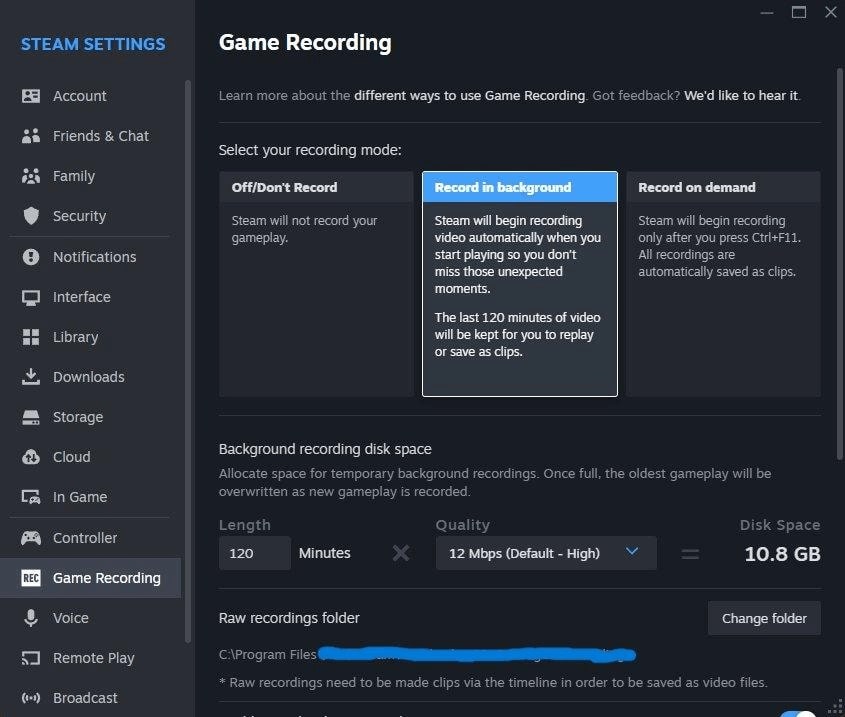


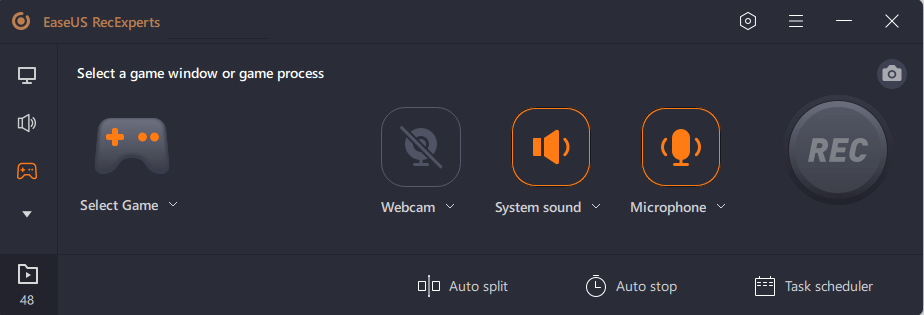

How To Record On Steam 5 Workable Ways In 2024 Game Recording . How To Record Video Game On A PC At High Quality . How To Record Gameplay On PC 2025 5 Different Methods YouTube . Top 20 Game Recorder Im Jahr 2026 Ohne Lag Zeitlimit Record Game 1 . HOW TO RECORD GAMES USING XBOX GAME BAR WINDOWS 10 APPS


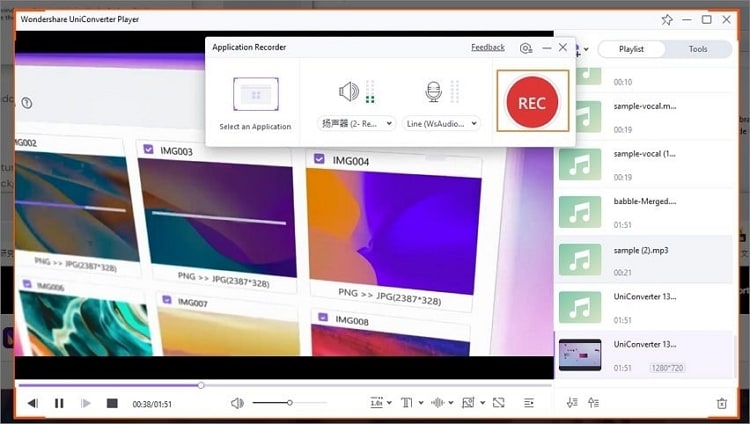
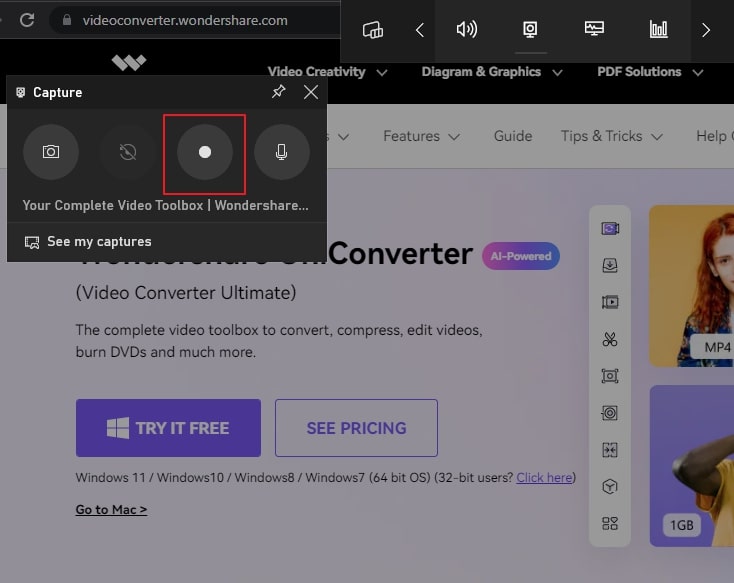
How To Record Gaming Videos For YouTube Screen Recorder For YouTube . TOP 10 Game Recording Software To Capture Games In 2026 Top Game Recording Software 1 . 2026 Record Game Or Audio By Xbox Game Bar Xbox Game Bar 11 . 2026 Record Game Or Audio By Xbox Game Bar Xbox Game Bar 3 . How To Record Gameplay On PC In 2026 Complete Step By Step Guide How To Record Gameplay On Pc 01.webp


Complete Guide On Recording Gaming Videos For YouTube Record Gaming Videos For Youtube Xbox Setting . Top 10 Most Anticipated Games Of 2026 What To Watch Out For TVN GAMES IN 2026 . 2026 Upcoming Games And Game Release Dates Guide 2026 Upcoming Games Release Dates . How To Use Steam Game Recording 2026 Step By Step YouTube . Amazon Com Guinness World Records Gamer S Edition 2026 SL1500


How To Record Minecraft With OBS OBS Tutorial For Beginners Obs Record Minecraft Gameplay . How To Record Gameplay Record Gameplay 03 . Detailed Guide How To Record Gaming Videos For YouTube Record Gaming Video For Youtube 1 . How To Record Your Gaming Sessions Tips And Tools R RecMaster How To Record Your Gaming Sessions Tips And Tools V0 . Ultimate Guide To Recording Mobile Gaming Video Step By Step Guide