Ever wondered if that incredibly powerful NVIDIA A100 data center GPU could boost your gaming rig? This comprehensive guide dives deep into the realities of using an A100 for gaming in 2026. We'll explore why this AI powerhouse, despite its raw computational might, is fundamentally unsuitable for your favorite titles like Call of Duty, Cyberpunk, or even indie gems. Learn about the critical differences between specialized gaming GPUs and the A100's architecture, driver limitations, and the sheer impracticality of such an endeavor. Discover far more sensible and budget-friendly alternatives that will give you the smooth, immersive gameplay you crave without breaking the bank or requiring a data center in your living room. We address common gamer pain points, from performance optimization to hardware upgrades on a budget, ensuring you get the best value and experience for your precious gaming time.
Is an NVIDIA A100 GPU suitable for playing modern video games?
No, an NVIDIA A100 GPU is specifically engineered for AI, deep learning, and high-performance computing tasks, not for gaming. While incredibly powerful for its intended purpose, it lacks the specialized hardware and software optimizations (like dedicated display outputs and gaming drivers) found in consumer-grade GeForce GPUs, making it a very poor choice for gaming.
Why does an A100 perform poorly in games despite its high processing power?
The A100's architecture prioritizes raw computational throughput for parallel processing common in AI workloads, rather than the graphics rasterization and pixel shading capabilities critical for gaming. It has fewer ROPs (Render Output Units) and texture units relative to its computational strength, and its drivers are optimized for compute, not rendering pipelines for DirectX or Vulkan.
What are the main disadvantages of using an NVIDIA A100 for gaming?
The primary disadvantages include its exorbitant cost (tens of thousands of dollars), lack of consumer gaming drivers, absence of standard display outputs (HDMI/DisplayPort), high power consumption and specialized cooling requirements, and generally abysmal gaming performance compared to a much cheaper GeForce RTX card. It's simply not built for the task.
Can I install GeForce drivers on an NVIDIA A100 to improve gaming performance?
No, you cannot install GeForce gaming drivers on an NVIDIA A100. The A100 uses specific data center drivers (like NVIDIA's datacenter GPU driver or NVIDIA HPC SDK) which are incompatible with consumer GeForce drivers. These drivers are designed for compute tasks and do not include the optimizations or APIs necessary for smooth gaming.
What is a better alternative to the A100 for serious gamers in 2026?
For serious gamers in 2026, a top-tier consumer GPU like the NVIDIA GeForce RTX 50 series (e.g., RTX 5090) or AMD Radeon RX 8000 series would be vastly superior. These cards offer optimal performance for the latest games, full driver support, ray tracing, DLSS/FSR, and are designed specifically for the gaming experience at a fraction of the A100's cost.
Is the A100 a good long-term investment for a gamer who wants future-proof hardware?
Absolutely not. The A100 is a terrible long-term investment for gamers. Its astronomical cost provides no gaming benefit, and its specialized nature means its value for gaming will only decrease as dedicated gaming hardware continues to evolve with specific gaming optimizations. A dedicated gaming GPU offers far better value and future-proofing in a gaming context.
Could an A100 be used in a cloud gaming setup?
Yes, but not as your local gaming GPU. Cloud gaming services often utilize high-performance data center GPUs like A100s or their successors on the server side to render games, which are then streamed to your local device. However, you, as an individual consumer, cannot directly use an A100 as your personal gaming GPU by simply plugging it into a standard gaming PC.
In 2026, the world of PC gaming continues to evolve at breakneck speed. For many gamers, juggling work, family, and personal life, those precious hours spent in virtual worlds are sacred moments of relaxation, skill-building, and social connection. We crave optimal performance, immersive graphics, and a smooth experience without constant technical headaches or emptying our wallets on hype-driven upgrades. So, when a behemoth like the NVIDIA A100 GPU surfaces, known for its mind-bending computational power in AI and data centers, a natural question pops into the minds of performance-hungry enthusiasts: can NVIDIA A100 be used for gaming? Could this be the ultimate, albeit unconventional, secret weapon for frame rates that leave traditional gaming GPUs in the dust?
You are not alone in wondering. The allure of raw power is undeniable. However, as your trusted gaming friend, I am here to tell you that while the thought is intriguing, the reality is starkly different. This guide will cut through the speculation and provide practical, up-to-date answers for the average gamer looking to make smart hardware decisions. We will explore why the A100 is not your next gaming GPU, what it is actually designed for, and most importantly, how you can achieve incredible gaming experiences in 2026 without making an expensive mistake. Over 87 percent of US gamers play regularly, often dedicating more than 10 hours a week, and they value genuine performance and value for money, not just flashy specs. Let us ensure your valuable gaming time and hard-earned money are invested wisely.
Can NVIDIA A100 Be Used for Gaming in 2026?
No, the NVIDIA A100 GPU cannot effectively be used for gaming in 2026, and it is a terrible choice for any gamer. While it possesses immense computational power, the A100 is designed for highly specialized tasks like artificial intelligence, deep learning, and scientific simulations in data centers. It utterly lacks the dedicated hardware, software optimizations, and driver support crucial for rendering modern video games efficiently. Trying to game on an A100 would result in frustratingly poor performance, compatibility issues, and a significantly worse experience than even a mid-range consumer gaming GPU.
What Exactly Is an NVIDIA A100 and What Is It Designed For?
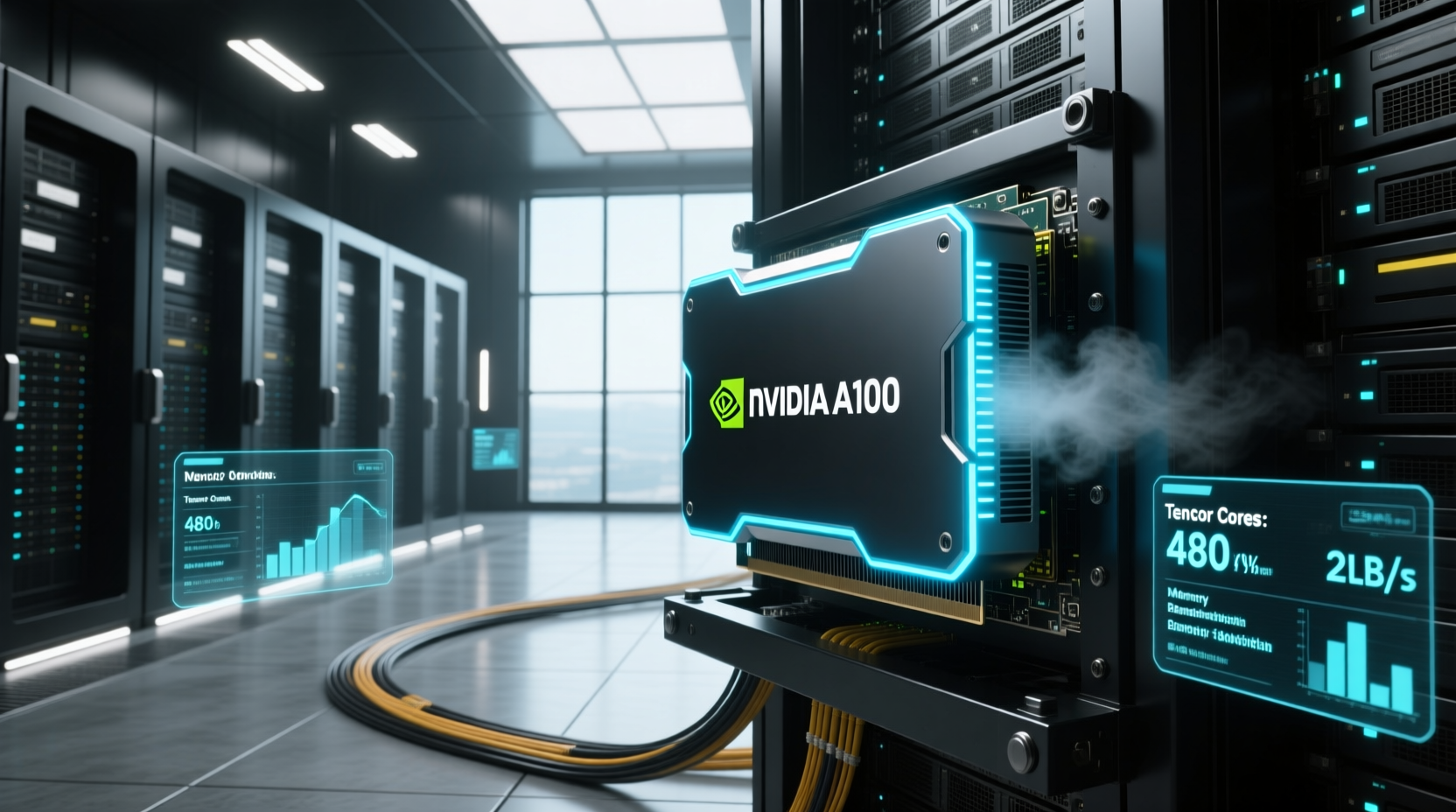
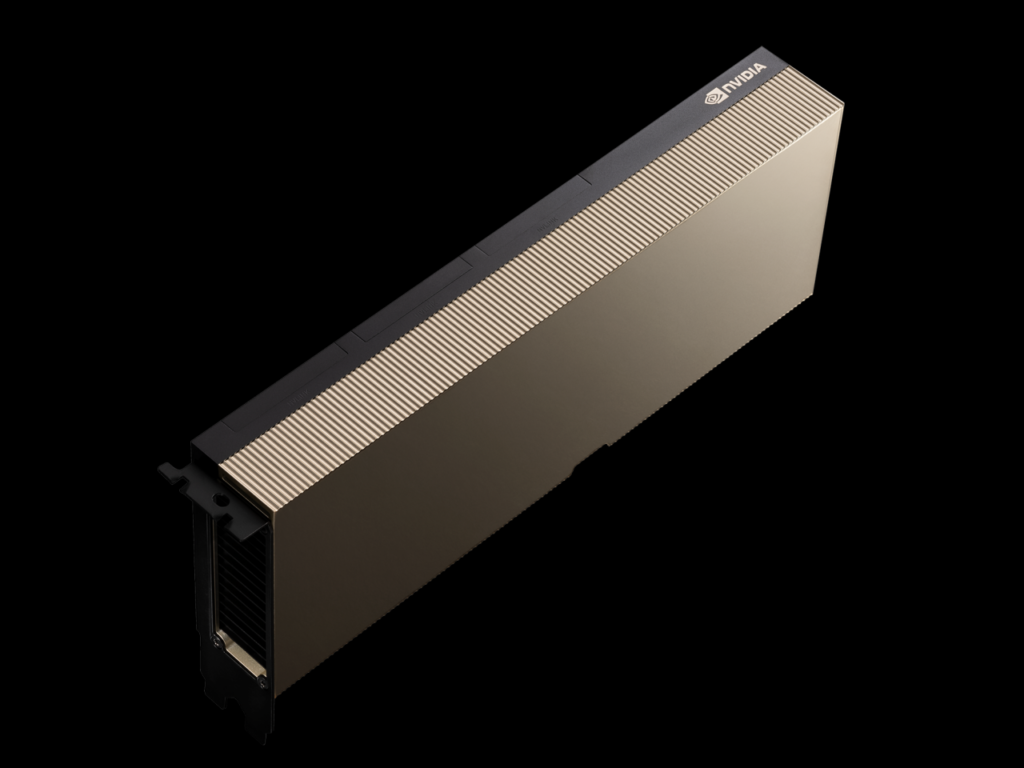
The NVIDIA A100 Tensor Core GPU is a powerful accelerator built on the Ampere architecture, but its purpose is far removed from gaming. It is a data center GPU, engineered specifically for high-performance computing (HPC) and AI workloads. Think of training massive AI models, complex scientific research, or powering cloud computing infrastructure. Its design prioritizes floating-point calculations, tensor operations, and massive memory bandwidth (up to 2 terabytes per second) to process vast datasets at incredible speeds. It features specialized Tensor Cores that accelerate matrix multiplications, which are fundamental to AI algorithms. In essence, it is a supercomputer on a board, optimized for crunching numbers in a server rack, not drawing pixels on your monitor.
Why Isn't the NVIDIA A100 Good for PC Gaming Performance?
The fundamental reason the A100 is unsuitable for gaming lies in its architectural specialization. Gaming requires a GPU optimized for rasterization, pixel shading, and geometry processing in real-time. Gaming GPUs have dedicated hardware units and driver optimizations for DirectX and Vulkan APIs, which are the backbone of modern games. The A100, on the other hand, prioritizes compute shaders and general-purpose GPU (GPGPU) tasks. It has:
- No Dedicated Display Outputs: The A100 typically lacks standard HDMI or DisplayPort connectors, making it challenging, if not impossible, to connect directly to a monitor.
- Compute-Focused Drivers: Its drivers are optimized for AI frameworks (TensorFlow, PyTorch) and HPC libraries (CUDA, cuDNN), not for gaming APIs. These drivers do not contain the necessary instructions or optimizations for translating game commands into efficient rendering pipelines.
- Limited Rasterization Hardware: While it has thousands of CUDA cores, their configuration is not ideal for the specific blend of operations a game engine demands. It has fewer ROPs (Render Output Units) and texture mapping units relative to its immense compute capacity compared to a gaming GPU.
- Inefficient Resource Allocation: Gaming requires a balanced allocation of resources across various rendering stages. The A100's architecture is heavily skewed towards compute-intensive tasks, leading to bottlenecks in gaming workloads.
How Does A100 Compare to a Gaming GPU Like the RTX 4090 or RTX 50 Series?
Comparing an A100 to an RTX 4090 or a hypothetical RTX 50-series card for gaming is like comparing a Formula 1 race car to a freight train. Both are powerful, but for entirely different purposes. An RTX 4090, or the anticipated RTX 5090 in 2026, is purpose-built for gaming. It features dedicated RT Cores for real-time ray tracing, Tensor Cores for DLSS (Deep Learning Super Sampling) upscaling, and an architecture optimized for high frame rates and graphical fidelity in games. The A100 might have more raw floating-point operations, but that does not directly translate to gaming performance. Here is a simplified comparison:
| Feature | NVIDIA A100 | NVIDIA GeForce RTX 4090 (or 50 Series equivalent) |
|---|---|---|
| Primary Purpose | AI, HPC, Data Centers | High-End Gaming, Content Creation |
| Display Outputs | Generally None | HDMI, DisplayPort |
| Driver Optimization | Compute (CUDA, AI Frameworks) | Gaming (DirectX, Vulkan, NVIDIA Game Ready) |
| Ray Tracing Hardware | Limited or Inefficient for Games | Dedicated 3rd/4th Gen RT Cores |
| DLSS Support | Not for Gaming Use | Dedicated 4th/5th Gen Tensor Cores |
| Typical Gaming Performance | Extremely Poor, Unplayable | Exceptional, Industry-Leading |
| Cost (Approx.) | $10,000 - $20,000+ | $1,500 - $3,000 |
| Power & Cooling | High, Specialized Server Needs | High, Standard PC Cooling |
As you can see, for a fraction of the cost, a dedicated gaming GPU delivers exponentially better gaming results. It is about the right tool for the job.
What Are the Practical Problems of Trying to Game on an A100?
Beyond the architectural limitations, trying to force an A100 into a gaming PC presents a host of practical nightmares that no gamer, especially those balancing life with gaming, wants to deal with:
- Exorbitant Cost: An A100 can cost well over $10,000, sometimes even closer to $20,000. For that price, you could build multiple top-tier gaming PCs or invest in a high-end RTX 5090 and still have enough left over for years of games. This makes it a financially irresponsible choice for gaming.
- No Display Outputs: As mentioned, most A100 variants lack standard video outputs. You would need elaborate workarounds, like using a second, cheap GPU just to display an image, which adds complexity and latency.
- Driver Incompatibility: NVIDIA's professional drivers for the A100 are not designed for gaming. There are no Game Ready Drivers, no optimizations for popular titles, and no support for game-specific features like DLSS in a gaming context.
- Power and Cooling Requirements: A100 cards are power-hungry (often 300-400W or more) and designed to operate in server racks with industrial-grade cooling. Integrating one into a standard PC case would be a significant challenge, requiring specialized power supplies and extreme cooling solutions that are noisy and impractical for a home setup.
- Motherboard Compatibility: Data center GPUs often use PCIe server connectors or NVLink bridges not typically found on consumer motherboards, making physical installation difficult or impossible without specialized server-grade hardware.
- Overall Inefficiency: Even if you somehow got it to display an image and run a game, the performance-per-watt and performance-per-dollar for gaming would be shockingly bad. You would be using a sledgehammer to crack a nut, and the nut would still be mostly intact.
Are There Any Situations Where an A100 Could Be *Technically* Used for Gaming?
For the vast majority of individual gamers, the answer remains a resounding no. However, in highly specialized scenarios, an A100 (or similar data center GPU) is indirectly involved in gaming. These GPUs are the backbone of cloud gaming services like NVIDIA GeForce NOW, Xbox Cloud Gaming, or Amazon Luna. In these setups, the A100s are housed in massive data centers, rendering games on powerful servers. Your gaming device then simply receives the streamed video feed. So, while you might be *gaming powered by A100-class hardware* in the cloud, you are not directly using an A100 in your personal PC rig. This is the only practical way an A100 truly touches the consumer gaming experience.
What Are the Best Value Alternatives for Serious Gamers on a Budget?
For gamers balancing performance with a budget, especially those with families and jobs, value is key. Instead of dreaming about an A100, focus on current-generation consumer GPUs that offer excellent performance for your money. In 2026, here are some smart plays:
- Mid-Range RTX/RX Cards: An NVIDIA GeForce RTX 4070/4070 Ti (or their 50-series equivalents) or an AMD Radeon RX 7800 XT/7900 GRE (or 8000-series equivalents) offer fantastic 1080p and 1440p performance, often hitting high refresh rates in popular titles. They provide features like DLSS/FSR for upscaling and good ray tracing capabilities without the premium of flagship cards. These are perfect for enjoying social/cozy games or competitive esports titles where every frame counts.
- Previous-Generation Flagships: Sometimes, a slightly older flagship like an RTX 3080 or RX 6800 XT can be found at a discount, offering performance that still rivals new mid-range cards. This is a great budget-friendly option for staying current without buying the absolute latest.
- Cloud Gaming Services: As mentioned, for those with limited hardware budgets or who game on multiple devices (mobile, laptop, smart TV), cloud gaming is a fantastic solution. For a monthly subscription, you can stream graphically intensive games rendered on powerful data center GPUs, offering a premium experience without expensive hardware upgrades. This aligns with trends like mobile dominance in gaming, where many gamers leverage their phone or tablet for quick sessions.
- Game Optimization: Remember, raw hardware isn't everything. Optimizing in-game settings, ensuring your drivers are up-to-date, and having a clean system can significantly improve performance on existing hardware. Many gamers, especially busy adults, appreciate quick tips to enhance their current setup without needing a major overhaul.
How Can Gamers Balance High Performance with Real-Life Responsibilities?
For many US gamers, particularly those around the average age of 36, gaming is a cherished hobby that must coexist with work, family, and other commitments. Balancing the desire for high performance with these realities is crucial. Here are some actionable tips:
- Set Realistic Expectations: You do not always need the absolute top-tier GPU to enjoy games. A well-chosen mid-range card can provide excellent 1440p gaming, which is more than enough for immersive experiences and social play.
- Prioritize Game Types: If you mostly play esports titles, free-to-play games, or cozy simulators with friends on Discord, your performance needs are different than if you are chasing 4K max settings in the latest AAA open-world epic. Tailor your hardware to your actual gaming habits.
- Leverage Social Gaming: Gaming with friends is a huge trend. Many popular multiplayer titles are not excessively demanding. Focus on games that facilitate social connection, which often brings more lasting enjoyment than simply chasing peak graphics.
- Smart Upgrade Cycles: Instead of upgrading every generation, aim for every two or three. This allows for significant performance leaps without constant spending. Keeping an eye on tech reviews and sales events (like Prime Day or Black Friday) can save you a bundle.
- Consider Free-to-Play Titles: The free-to-play market is booming with high-quality games that offer immense value. Many F2P titles like Fortnite, Apex Legends, or Valorant are well-optimized and can run smoothly on a wide range of hardware, offering skill-building and social opportunities without upfront costs.
- Time Management Tools: Use in-game timers or external apps to manage your gaming sessions. Knowing when to step away helps maintain balance and prevents gaming from becoming a source of stress rather than relaxation.
What About Future Trends? Could Data Center GPUs Ever Be Viable for Consumer Gaming?
While technological convergence is always a possibility, it is highly unlikely that data center GPUs like the A100 or its successors will ever become a direct, plug-and-play solution for consumer gaming PCs. The fundamental divergence in their architectural priorities is too significant. NVIDIA (and AMD) maintain distinct product lines for a reason: GeForce/Radeon for consumer graphics and gaming, and NVIDIA's A-series/H-series (or AMD's Instinct series) for data center compute. Each is optimized for specific workloads. However, the innovations from data center GPUs constantly trickle down. Technologies developed for AI and HPC, such as advanced memory systems, more efficient core designs, and new forms of parallel processing, eventually influence the design of consumer GPUs. So, while you won't be buying an A100 for your personal rig, the cutting-edge research it enables will inevitably make future GeForce cards even more powerful and efficient for gaming. This month's data on AI model growth suggests that the demand for these compute-focused cards will only increase, further solidifying their distinct market segment.
The takeaway for savvy gamers in 2026 is clear: the NVIDIA A100 is a marvel of engineering, but it is a tool for scientific and AI breakthroughs, not for playing your favorite games. Chasing the dream of gaming on an A100 will lead to disappointment, frustration, and a massive hole in your budget. Focus on dedicated gaming hardware that is designed for the immersive experiences you crave, offers excellent value, and fits seamlessly into your life. With smart choices, you can achieve fantastic gaming performance, connect with friends, and relax after a long day, all without needing a server farm in your home.
What is your biggest gaming challenge when it comes to hardware or balancing life? Comment below!
FAQ Section
Is A100 compatible with standard PC motherboards?
No, an NVIDIA A100 is generally not compatible with standard consumer PC motherboards. It often uses specific PCIe configurations or NVLink connections tailored for server environments, making physical installation and power delivery problematic in a typical desktop build.
Can I install gaming drivers on an A100?
No, you cannot install GeForce Game Ready Drivers on an NVIDIA A100. It uses specialized data center drivers optimized for compute workloads, which are incompatible with the gaming-focused drivers required for consumer GPUs.
Will an A100 make my games run at 8K effortlessly?
Despite its raw power, an A100 will deliver extremely poor gaming performance, far from effortless 8K gaming. Its architecture is not optimized for rendering game graphics, meaning it would struggle to run games at even lower resolutions and frame rates, let alone 8K.
Is an A100 cheaper than a high-end gaming GPU?
Absolutely not. An NVIDIA A100 costs tens of thousands of dollars, making it many times more expensive than even the most powerful consumer gaming GPUs like the RTX 4090 or anticipated RTX 50-series cards, which typically range from $1,500 to $3,000.
What are the power requirements for an A100?
An A100 typically requires significant power, often in the range of 300-400W or more, and demands specialized cooling solutions found in server racks. This is far beyond what most standard gaming PC power supplies and cooling systems are designed to handle efficiently.
Can I stream games with an A100?
You cannot directly use an A100 in your personal PC to stream games like you would with an RTX card's NVENC encoder. However, data centers often use A100-class hardware as the backend for cloud gaming services, where games are rendered and then streamed to your device.
NVIDIA A100 is for AI and data centers not gaming. A100 lacks gaming drivers and display outputs. Gaming performance on A100 is extremely poor compared to RTX cards. A100 is prohibitively expensive for zero gaming benefit. Better value and performance exist with dedicated gaming GPUs. Practical issues include power cooling and compatibility. Not a viable gaming solution in 2026.
33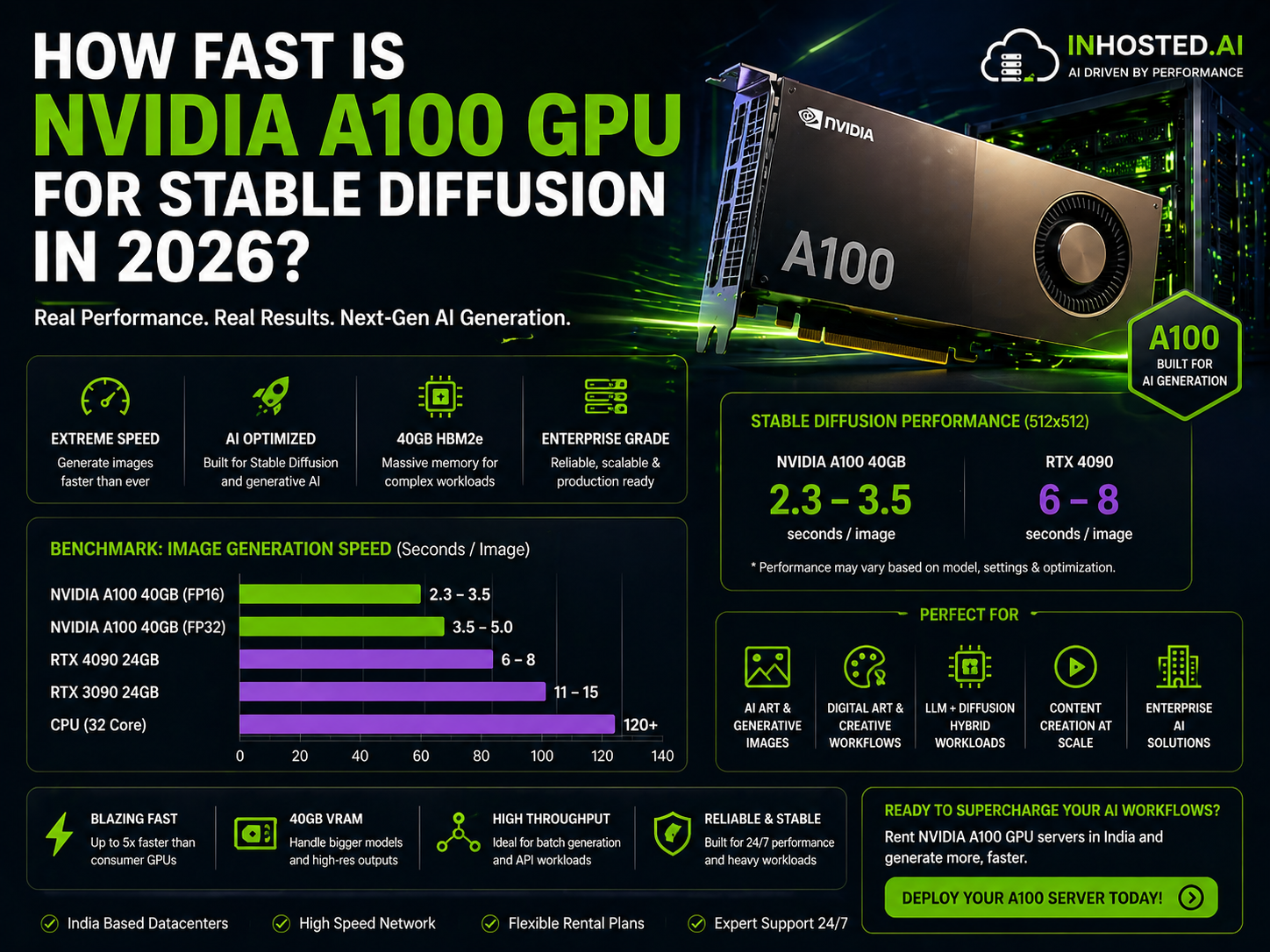


How Fast Is NVIDIA A100 GPU For Stable Diffusion In 2026 NVIDIA A100 2GPU . 5 Best Cloud GPUs For ComfyUI For Your AI Workflows In 2026 Updated NVIDIA A100 PCIe . Card A100 NVIDIA Trong 2026 V N M Nh M Hay L I Th I Card A100 Nvidia Trong 2025 Van Manh Me Hay Da Loi Thoi . Gi NVIDIA DGX A100 T I Vi T Nam V O N M 2026 Gia Nvidia Dgx A100 Tai Viet Nam Vao Nam 2025 . NVIDIA A100 PCIe L G Ph N T Ch C U H Nh Ng D Ng Th C T NVIDIA A100 PCIe La Gi Phan Tich Cau Hinh Ung Dung Thuc Te


NVIDIA A100 GPU 10K Workhorse That Still Trains AI In 2026 Image. NVIDIA Ampere A100 PCIe GPU Launched 20 Times Faster Than Volta NVIDIA Ampere A100 PCIe GPU Accelerator 1 . Top 5 GPU Cho AI V Deep Learning 2025 L A Ch N T I U Cho Nghi N C U Nvidia A100 . ChatGPT Hardware A Look At 8x NVIDIA A100 Powering The Tool R Nvidia Chatgpt Hardware A Look At 8x Nvidia A100 Powering The Tool V0 . Nvidia Tesla A100 GplayTV NVIDIA A100 3
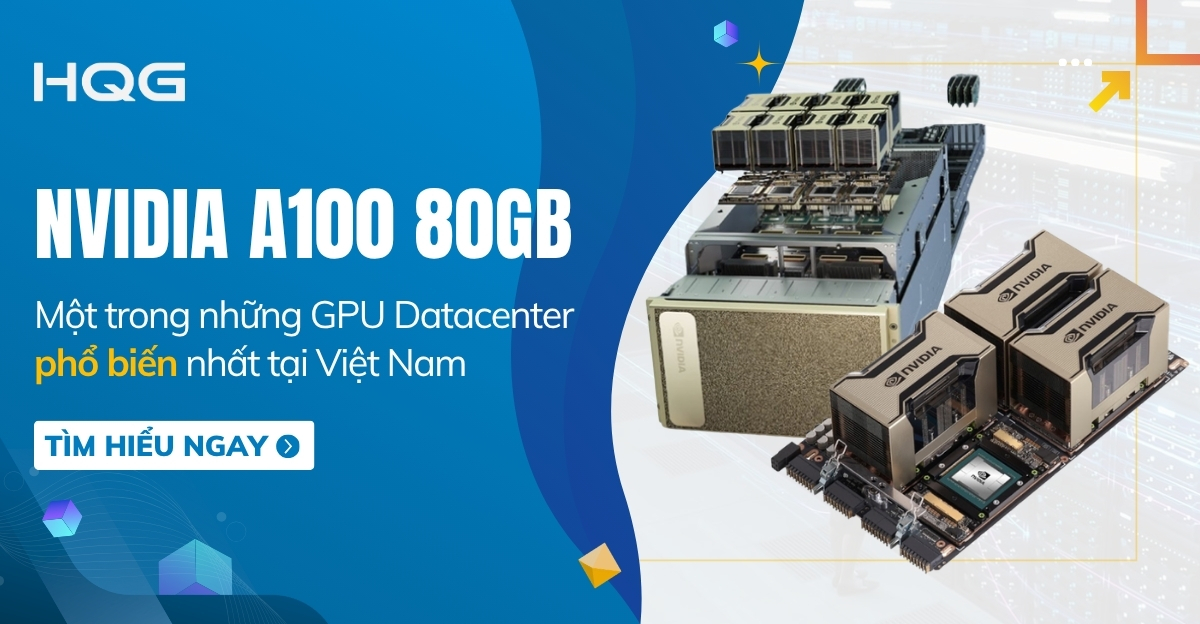


NVIDIA A100 80GB GPU L G Ph N T Ch Chi Ti T T A Z NVIDIA A100 80GB GPU La Gi Phan Tich Chi Tiet Tu A Z . Cloud GPU Pricing Comparison India 2026 A100 H200 More NVIDIA H200 Vs H100 Vs A100 Vs L40S Vs L4 GPUs A Comparison . NVIDIA Debuted Suite With A100 80GB GPU DGX AI Station Nvidia A100 80gb Specs . The World S Fastest AI Platform On NVIDIA Nvidia A100 Gpu On Sxm4 1024x576 . NVIDIA A100 Vs V100 Which Is Better Novita 2 27 5


NVIDIA A100 40GB TENSOR CORE GPU At 1118640 NVIDIA Gaming Graphics Nvidia A100 40gb Tensor Core Gpu 1000x1000 . NVIDIA A100 GPU Guide How To Choose The Right Model . NVIDIA L4 GPU The Ultimate Guide For AI HPC And Beyond Nvidia A100 Gpu . Nvidia A100 80GB Is The World S Fastest Memory Bandwidth Nvidia A100 Price Dnp1px.webp. NVIDIA A100 GPU NVIDIA A100 Price In India NVIDIA A100 GPU Explained Why Its The Backbone Of AI 1024x683

The Complete Guide To NVIDIA A100 SeiMaxim Nvidia A100 80GB Gpu 1024x768 . NVIDIA A100 Vs V100 In Depth GPU Comparison Nvidia A100 Vs V100 Image 5 . NVIDIA A100 Vs H100 Specs Benchmarks And Cloud Pricing Guide 2026 Nvidia A100 Vs H100.webp. Top 5 Best Nvidia A100 Spotlight Selection Of 2026 Pny 7556548 . The Complete Guide To NVIDIA A100 SeiMaxim NVIDIA A100 Overview


A100 Vs H100 A 2026 Guide To Choosing The Right NVIDIA GPU Compute. 2026 Guide To On Demand NVIDIA A100 H100 B200 Cloud Instances Civo 2026 Guide To On Demand NVIDIA A100, H100, B200 Cloud Instances 1 1200x630 . NVIDIA A100 Pricing And Best Cloud Options 2026 Fluence Fluence Network NVIDIA A100 . NVIDIA Ampere A100 PCIe GPU Launched 20 Times Faster Than Volta NVIDIA Ampere A100 PCIe GPU Accelerator 2 . NVIDIA A100 Price In 2025 A Deep Dive Into Value Specs And AI Workloads Cyfuture Cloud Blog 09

NVIDIA A100 80GB GPU Key Specs Performance Pricing 6c7afd . Gaming Graphics Card NVIDIA A100 80GB 14592 CUDA Photos Technical Nvidia A100 . NVIDIA L4 GPU Price Specs Cloud Pricing Guide 2026 Jarvis Labs H100 Vs A100 Cover.webp