Finding the best 1080p video card in 2026 can feel overwhelming with so many options and evolving game demands. This comprehensive guide cuts through the noise, offering practical advice for gamers balancing life, work, and their passion. We explore top GPUs that deliver exceptional 1080p performance without breaking the bank, helping you navigate setup complexities, optimize in-game settings, and make smart budget-friendly upgrades. Discover how to enhance your gaming sessions, whether you're into social play, competitive esports, or solo adventures. Learn about current market trends, value-for-money choices, and how to maintain peak performance for popular titles. This resource is designed to empower you, ensuring you get the most out of your gaming hardware while staying current with the latest advancements, allowing you to relax, have fun, and connect with friends online without performance frustrations.
Q: What is the best budget-friendly 1080p video card for new games in 2026?
A: The AMD Radeon RX 7600 and NVIDIA GeForce RTX 4060 are currently excellent budget-friendly choices for 1080p gaming in 2026. Both offer solid performance in modern titles, with the RX 7600 often providing slightly better raw rasterization value and the RTX 4060 excelling with DLSS 3 for frame generation and upscaling. The NVIDIA card also offers a more robust ecosystem for streamers and content creators.
Q: How much VRAM should a 1080p video card have for optimal gaming in 2026?
A: For optimal 1080p gaming in 2026, a video card with at least 8GB of VRAM is recommended as a baseline. However, for future-proofing and smoother performance in more demanding AAA titles and heavily modded games, 12GB of VRAM is increasingly becoming the sweet spot. Cards like the AMD Radeon RX 7700 XT offer this higher VRAM capacity, providing more headroom for upcoming games.
Q: Can I achieve high refresh rate gaming (144Hz+) at 1080p with a mid-range GPU?
A: Absolutely! Many mid-range 1080p GPUs in 2026 are perfectly capable of achieving high refresh rates (144Hz and above) in popular esports titles like 'Valorant,' 'CS2,' 'Apex Legends,' and 'Overwatch 2' at competitive settings. For more graphically intensive AAA games, you might need to adjust settings to medium or high, or leverage upscaling technologies like DLSS or FSR to consistently hit those higher frame rates.
Q: What factors besides the GPU affect 1080p gaming performance?
A: Beyond the GPU, several critical factors impact 1080p gaming performance. Your CPU needs to be powerful enough to feed data to the GPU without bottlenecking. Sufficient RAM (16GB DDR4 or DDR5 is recommended) prevents stuttering, and an NVMe SSD for game installations drastically reduces loading times. Good cooling for both CPU and GPU is also essential to prevent thermal throttling, ensuring consistent peak performance during long gaming sessions.
Q: Is ray tracing viable on 1080p video cards in 2026?
A: Ray tracing is increasingly viable on 1080p video cards in 2026, especially with the help of powerful upscaling technologies like NVIDIA's DLSS and AMD's FSR. While you might not achieve ultra-settings ray tracing at very high frame rates, a mid-range 1080p card can enable ray tracing with noticeable visual improvements by utilizing performance or balanced modes of these upscalers. Expect better results on NVIDIA's RTX series due to dedicated RT cores.
Q: How do I know if my existing power supply unit (PSU) can handle a new 1080p video card?
A: To determine if your PSU can handle a new 1080p video card, first, check the recommended PSU wattage and required PCIe power connectors (e.g., 6-pin, 8-pin) on the specific GPU manufacturer's website. Then, open your PC case and verify your PSU's total wattage and available power cables. Most mid-range 1080p cards typically require a 550W to 650W PSU. It's crucial to match these specifications to avoid power issues or system instability.
Q: What are common mistakes to avoid when buying a 1080p video card?
A: Common mistakes include not checking physical size for case compatibility, neglecting PSU requirements, and overlooking CPU/RAM bottlenecks. Also, don't blindly buy based on hype; research benchmarks for the games you play. Avoid heavily overpriced used cards, and always ensure you're getting enough VRAM for today's and tomorrow's titles. A balanced system is key, not just the most expensive component you can afford.
Hey fellow gamers! Ever feel like you're constantly juggling work, family, and that precious few hours you get to unwind with your favorite games? You're not alone. The average gamer is around 36 years old, and about 60% of us regularly dedicate over 10 hours a week to gaming. But let's be real, a good gaming session means escaping the daily grind, connecting with friends, or just chilling out with a cozy game. The last thing you need is frustrating stuttering or blurry graphics. That's where a reliable 1080p video card comes in. It's the sweet spot for many, offering crisp visuals and smooth framerates without requiring you to sell a kidney to afford it.
We all want to optimize performance, get value for our money, and stay current without falling for every marketing hype cycle. This guide is built specifically for you: the busy, smart gamer who values practical solutions. We're going to dive deep into finding the best 1080p video card in 2026, helping you overcome common pain points like tricky setups, unexpected performance drops, or just wondering which card truly delivers for the games you love. Let's make your limited gaming time as enjoyable and stress-free as possible.
What Defines the Best 1080p Video Card in 2026?
In 2026, the definition of the best 1080p video card goes beyond raw power; it's about a balanced mix of performance, efficiency, and future-proofing within a reasonable budget. For 1080p gaming, you're primarily looking for a GPU that can consistently hit 60+ frames per second (FPS) in AAA titles at high or ultra settings, and even higher for competitive esports games. Key considerations include adequate VRAM (typically 8GB is a strong baseline, 12GB is ideal for longevity), good power efficiency to keep your electricity bill down and your PC cooler, and robust driver support from NVIDIA or AMD. You want a card that handles today's demanding games like 'Cyberpunk 2077' or 'Alan Wake 2' gracefully, while also being ready for upcoming releases.
Which 1080p Video Cards Offer the Best Value Right Now?
As of this month, the market for 1080p video cards is competitive, offering excellent options across various price points. For strong performance and great value, NVIDIA's RTX 4060 remains a solid contender, offering DLSS 3 for excellent upscaling and frame generation in supported titles. AMD's Radeon RX 7600 and RX 7700 XT are also fantastic choices, often providing better raw rasterization performance per dollar and leveraging FSR (FidelityFX Super Resolution) for similar upscaling benefits. The RX 7700 XT, in particular, with its 12GB VRAM, offers a strong case for future-proofing at 1080p. For budget-conscious gamers eyeing competitive esports, even slightly older generations like the RTX 3060 12GB or RX 6600 XT can still deliver impressive frame rates, especially if found at a discount.
How Do I Choose a 1080p GPU That Fits My Budget and Lifestyle?
Choosing the right 1080p GPU is about aligning your budget with your gaming habits. First, determine your hard budget. Remember to factor in potential power supply upgrades if your current one is weak. Next, consider your primary game types: Are you an esports enthusiast needing high frame rates in titles like 'Valorant' or 'Apex Legends'? Or do you prefer graphically intensive single-player adventures? For esports, a card with solid rasterization performance is key. For AAA games, features like DLSS or FSR become more valuable for maintaining high settings. If you only game a few hours a week, a mid-range card offering consistent 60 FPS will be perfect for unwinding. If you're a heavy gamer, investing slightly more for extra VRAM and longevity might be wise. Prioritize stable performance for your enjoyment over chasing every single frame or ray-tracing effect.
What are Common 1080p Gaming Performance Bottlenecks and How to Fix Them?
A new best 1080p video card won't fix everything. Common bottlenecks at 1080p often stem from an outdated CPU, insufficient RAM, or slow storage. If your CPU is several generations old, it might struggle to feed enough data to your new GPU, causing 'CPU bottlenecking.' Ensure you have at least 16GB of fast DDR4 or DDR5 RAM for modern gaming. Also, always install your games on an NVMe SSD if possible; mechanical hard drives can cause significant loading times and in-game stutter. Regularly updating your GPU drivers is crucial, as manufacturers frequently release optimizations for new games. Finally, monitor your temperatures; overheating components can throttle performance. Simple fixes include cleaning dust from your PC, ensuring good airflow, or even reapplying thermal paste.
Can I Play Modern AAA Games Smoothly at 1080p with a Mid-Range Card?
Absolutely! A mid-range 1080p video card in 2026 is highly capable of running modern AAA games smoothly, often at high to ultra settings. Technologies like NVIDIA's DLSS (Deep Learning Super Sampling) and AMD's FSR (FidelityFX Super Resolution) are game-changers. These upscaling techniques allow your GPU to render games at a lower resolution and then intelligently upscale them to 1080p, often with imperceptible loss in visual quality but significant gains in frame rates. This means you can enable ray tracing in some titles or push overall graphical fidelity higher than native resolution would allow on the same hardware. Experiment with in-game settings; often, a few tweaks to shadow quality or volumetric clouds can yield substantial FPS improvements without dramatically impacting visual immersion.
How Do I Ensure My New 1080p Video Card Works Well with My Existing PC?
Before purchasing your best 1080p video card, compatibility checks are essential. First, measure your PC case to ensure the physical dimensions of the new card will fit. Graphics cards have gotten longer and thicker! Second, check your power supply unit (PSU) to confirm it has enough wattage and the correct PCIe power connectors for your chosen GPU. Most mid-range 1080p cards require at least a 550W-650W PSU with 6-pin or 8-pin connectors. Refer to the GPU manufacturer's recommendations. Third, ensure your motherboard has an available PCIe x16 slot. Most modern motherboards do, but it's worth a quick check. Finally, your CPU and RAM should be reasonably modern to avoid bottlenecks, as discussed earlier. A balanced system ensures you get the full performance benefit of your new GPU.
What are the Latest Trends in 1080p Gaming Technology?
The 1080p gaming landscape is constantly evolving. AI-powered upscaling (DLSS, FSR, XeSS) continues to be a dominant trend, democratizing high-fidelity gaming on more accessible hardware. We're also seeing an increased focus on power efficiency, with newer cards delivering more performance per watt, which is great for cooler systems and lower energy bills. Cloud gaming platforms are gaining traction, allowing some gamers to stream high-end experiences without local powerful hardware, though local performance remains king for competitive play. Social gaming, whether it's through co-op games, online multiplayer, or Discord voice chats, continues to drive hardware needs that support stable, lag-free experiences. Plus, with the rise of accessible game creation tools, many gamers are also dabbling as creators, needing stable performance for streaming or video editing on the side.
How Can I Maintain My 1080p Video Card for Optimal Performance and Longevity?
Maintaining your best 1080p video card is crucial for long-term performance and reliability. First, regular cleaning is vital. Dust buildup is the enemy of electronics, trapping heat and reducing cooling efficiency. Every few months, open your PC case and gently dust out the GPU fans and heatsink with compressed air. Second, always keep your drivers updated. Both NVIDIA and AMD frequently release new drivers with performance optimizations for the latest games and bug fixes. You can easily manage this through their respective software (GeForce Experience or Radeon Software). Third, monitor your GPU temperatures using tools like MSI Afterburner or HWMonitor. High temperatures over prolonged periods can degrade components. Ensure good case airflow, and consider adjusting your fan curves for better cooling. By taking these simple steps, you can significantly extend the life and performance of your 1080p video card.
You're a busy gamer, and your time is valuable. Investing in the best 1080p video card for your needs means more relaxation, more fun with friends, and fewer headaches. We've covered how to pick a card, optimize your system, and stay ahead of the curve without falling for hype. The goal is a smooth, immersive gaming experience that fits your life and budget. What's your biggest gaming challenge with your current setup? Comment below!
FAQ Section
What is the minimum VRAM needed for 1080p gaming in 2026?
For comfortable 1080p gaming in 2026, 8GB of VRAM is the recommended minimum, especially for new AAA titles at high settings. 12GB offers better future-proofing and smoother performance in VRAM-intensive games.
Are older generation GPUs still good for 1080p gaming?
Yes, many older generation GPUs like the RTX 3060 12GB or RX 6600 XT can still provide excellent 1080p performance, especially if found at a good price. They handle most esports and many AAA titles well, sometimes with slight setting adjustments.
Should I prioritize raw FPS or ray tracing at 1080p?
For most 1080p gamers, prioritizing raw FPS for smooth gameplay is generally more beneficial than enabling ray tracing. While visually impressive, ray tracing can significantly impact performance on mid-range 1080p cards, often requiring aggressive upscaling.
Does my CPU matter for 1080p gaming with a new GPU?
Yes, your CPU absolutely matters. An outdated or weak CPU can bottleneck even the best 1080p video card, preventing it from reaching its full potential. Aim for a modern mid-range CPU (e.g., Intel i5 or AMD Ryzen 5 from the last few generations) for balanced performance.
How important is cooling for a 1080p video card?
Cooling is very important. Efficient cooling prevents thermal throttling, which is when your GPU slows down to prevent overheating, directly impacting performance. Good case airflow and a GPU with a robust cooler ensure consistent, optimal performance and prolong the card's lifespan.
Is a 1080p video card sufficient for competitive esports?
Yes, a quality 1080p video card is often ideal for competitive esports. These games prioritize high frame rates, and many 1080p cards can push well over 144 FPS in titles like 'CS2' or 'Warzone,' giving you a competitive edge on a high refresh rate monitor.
Top 1080p GPUs for budget-conscious gamers. Optimizing game settings for smooth performance. Balancing gaming with real-life commitments. Smart upgrade paths for long-term value. Latest trends in 1080p gaming hardware. Troubleshooting common performance issues.
35
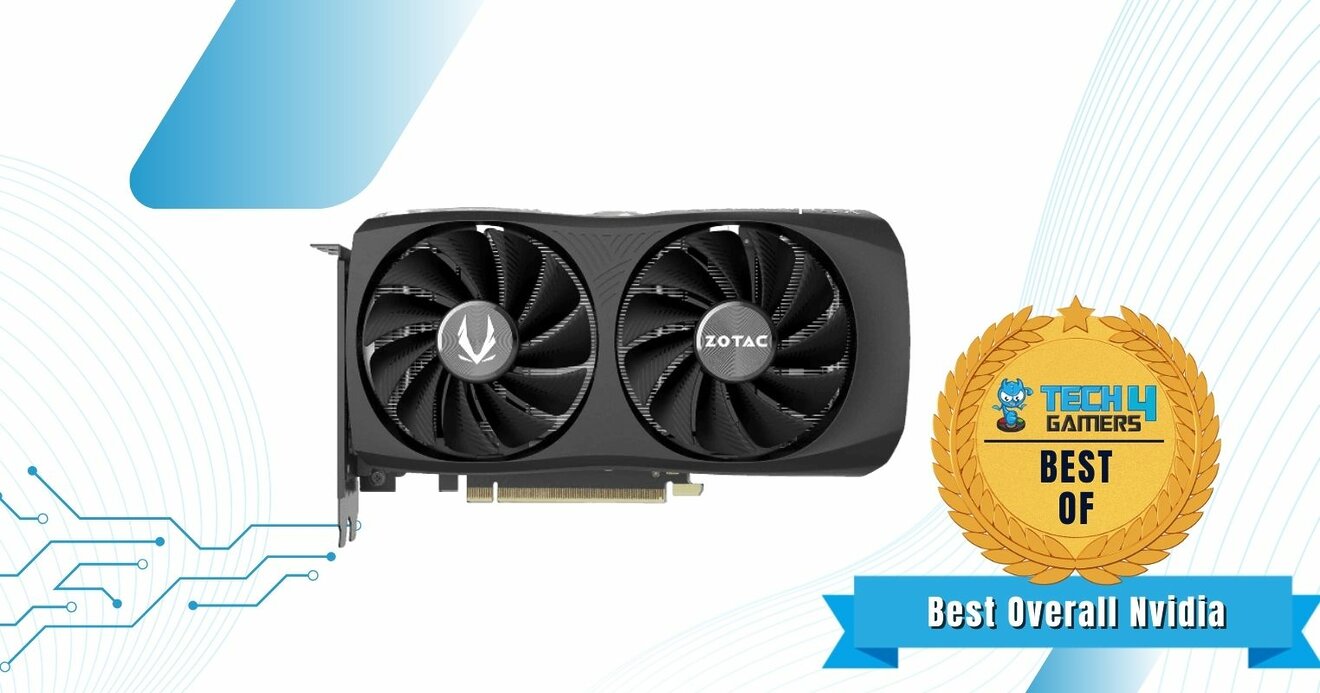


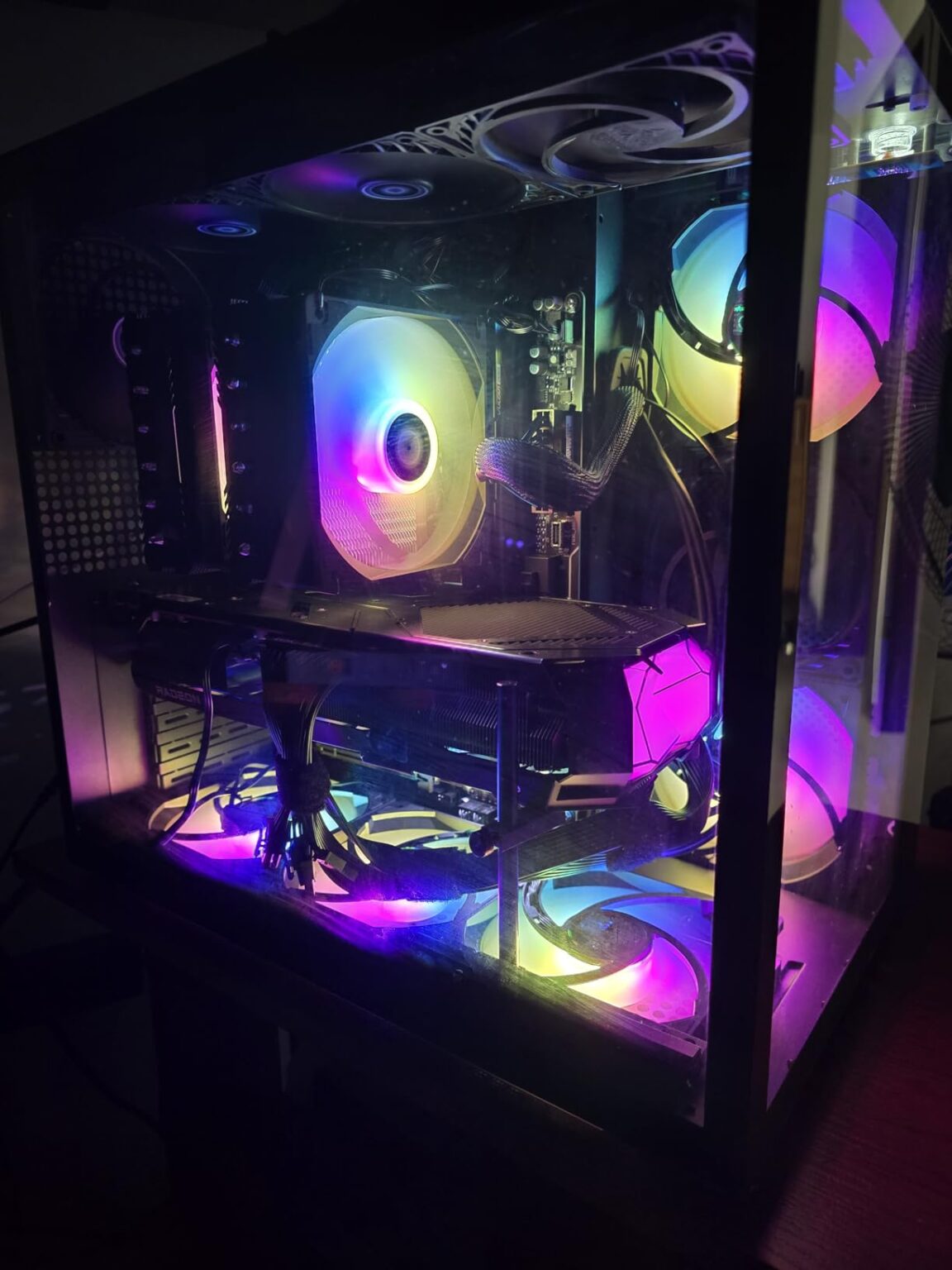
Best Graphics Cards For 1080p Gaming 2026 Expert Reviews B0C7W8GZMJ Customer 2 768x1024 . 5 BEST Graphics Cards For 1080p With Benchmarks Zotac Gaming Rtx 4060 8gb Twin Edge Oc Best Overall Nvidia Graphics Card For 1080p 1320x693 . 12 Best 1080p Graphics Cards March 2026 Tested B08WPRMVWB Customer 1 2 1152x1536 . 12 Best Graphics Cards For 1080p Gaming March 2026 Complete Guide B0CVPHDLTD Customer 2 1 768x1024 . 12 Best 1080p Graphics Cards March 2026 Tested B09PSHYHLM Customer 1 1 1152x1536
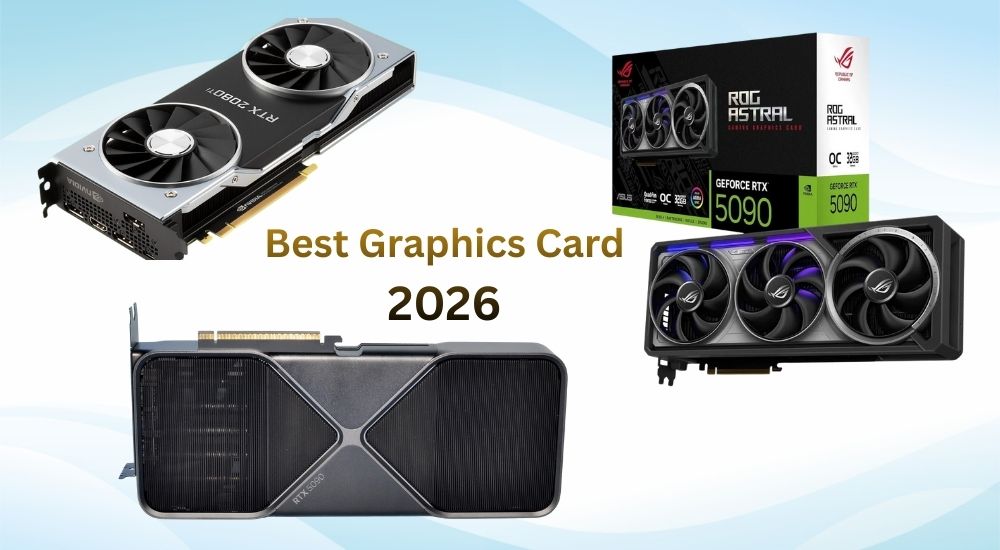


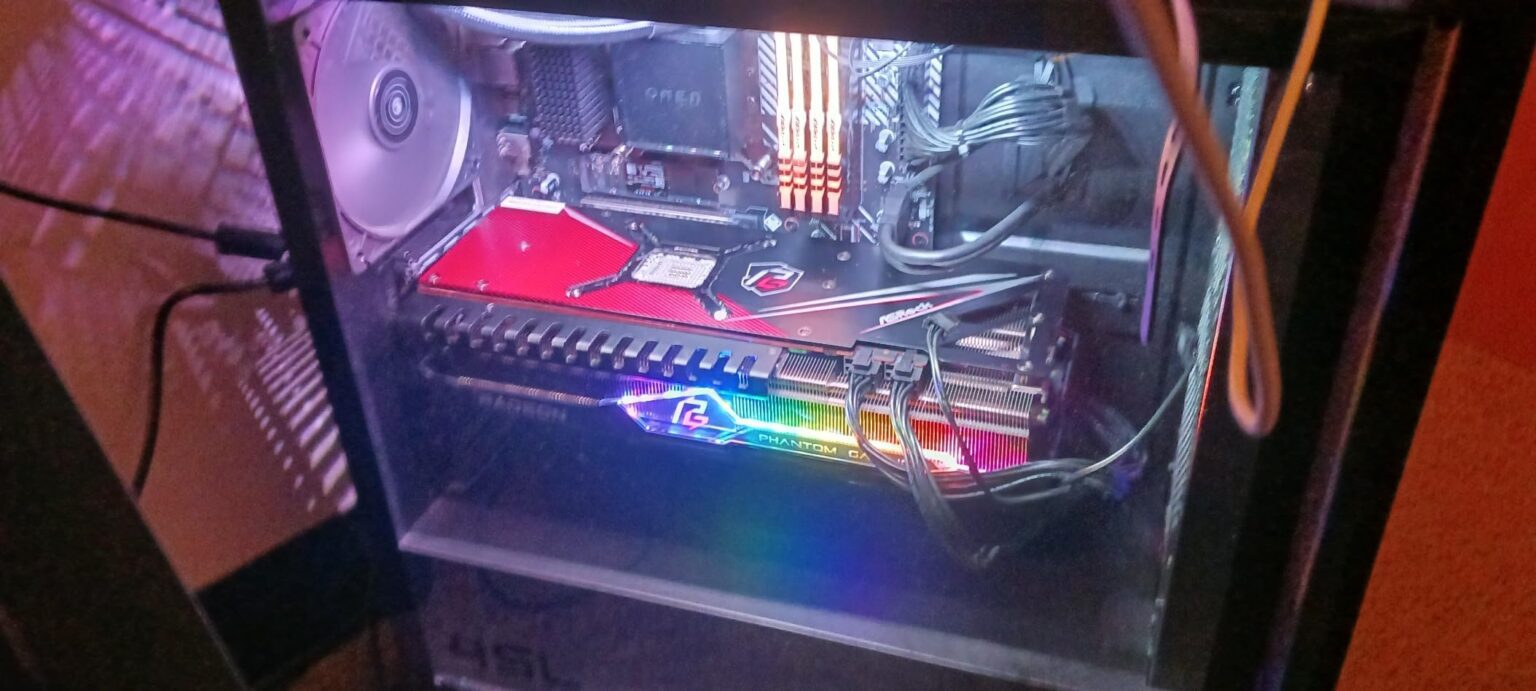
Best Graphics Card 2026 Top GPUs For Gaming AI Value Best Graphics Card 2026 . 10 Best Graphics Cards For 1080p Gaming January 2026 Guide 41udUO6RAHL . 5 BEST Graphics Cards For 1080p With Benchmarks Rx 7600 Phantom Gaming Best Overall Amd Graphics Card For 1080p 300x157 . Best Graphics Cards For 1080p Gaming 2026 Expert Reviews B08WPRMVWB Customer 2 22 768x1024 . 12 Best 1080p Graphics Cards March 2026 Tested B0C626FFG2 Customer 1 1536x691


12 Best Graphics Cards For 1080p Gaming March 2026 Complete Guide B08WPRMVWB Customer 1 9 1536x1152 . Best Graphics Cards For 1080p Gaming 2026 Expert Reviews B0CBL3HQ68 Customer 1 6 893x1024 . Best Graphics Cards For 1080p Gaming 2026 Expert Reviews B0DT3VZCZM Customer 1 1 1536x1152 . Best 1080p Graphics Cards 2022 The Best GPUs For 1080p Gaming TechRadar . The Best Graphics Cards For 1080p Gaming In 2026 Nvidia Geforce Rtx 4060 1yut
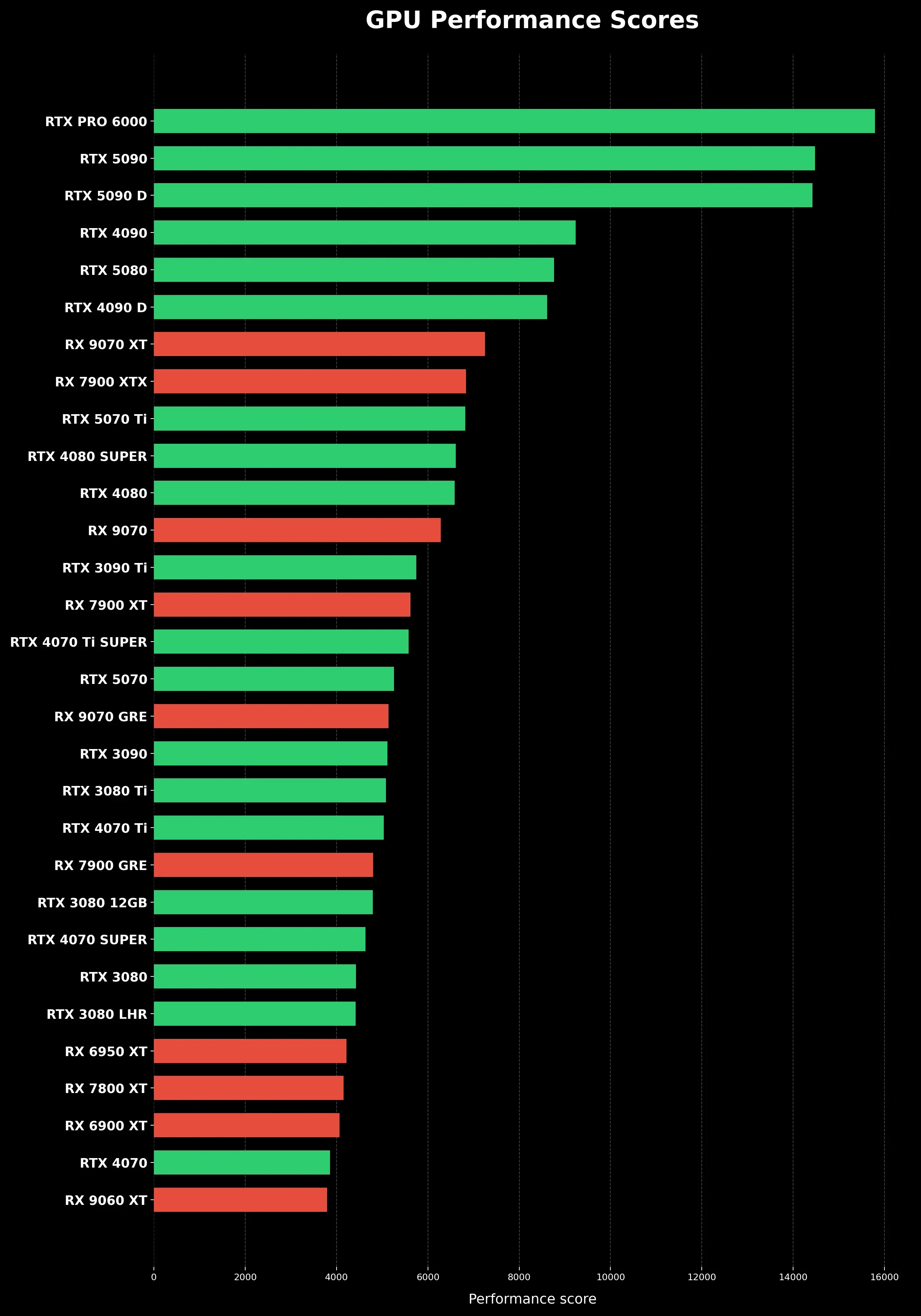


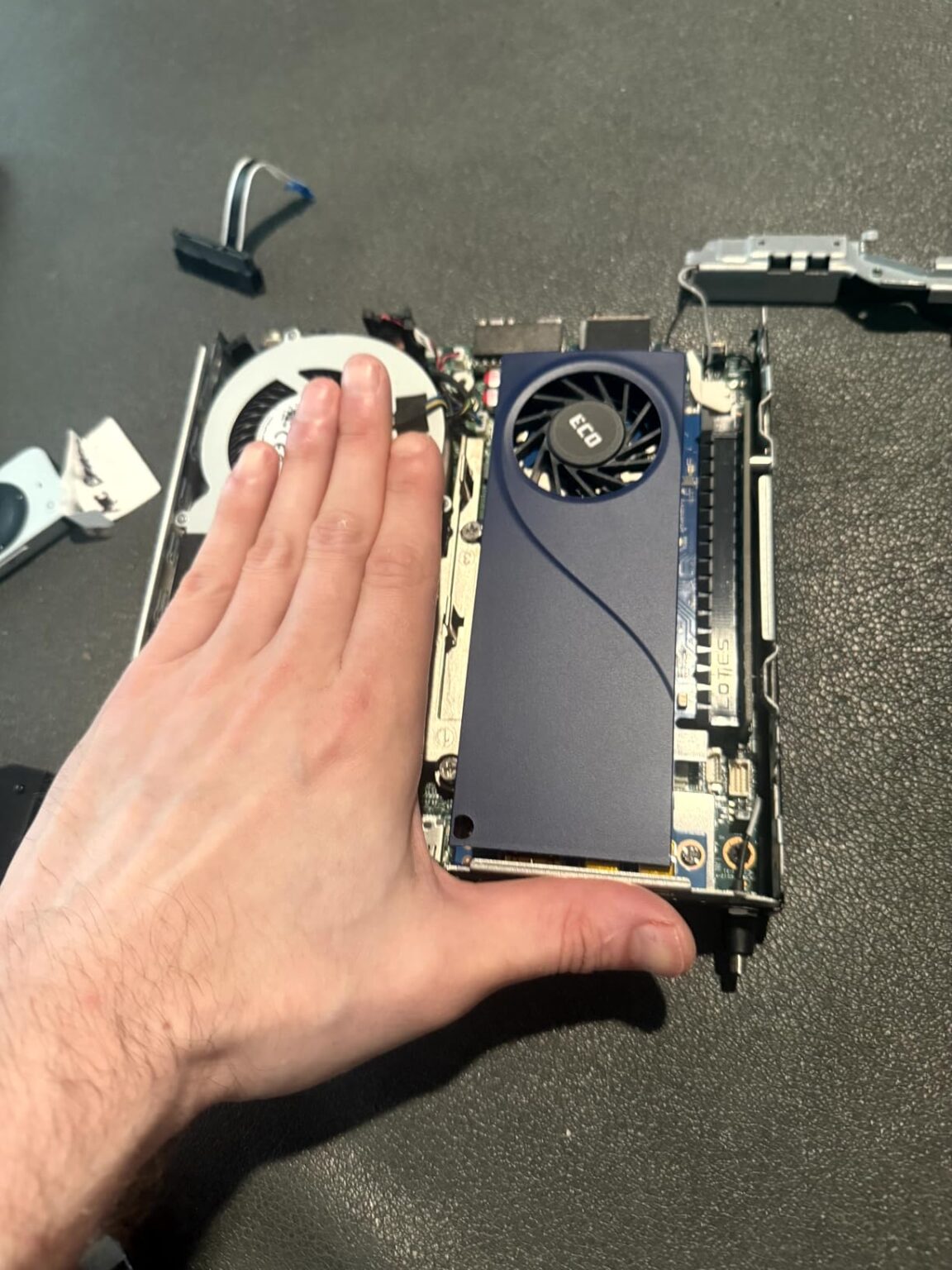
Best Graphics Card 2026 Comparison Ranking And Buying Guide For PC Gpu Performance Scores Clean Vertical. Best Graphics Cards For 1080p Gaming 2026 Expert Reviews 31es4T0F7xL . Best Graphics Cards For 1080p Gaming 2026 Expert Reviews B0F8P9RD4S Customer 1 6 1152x1536 . Best Graphics Cards For 1080p Gaming 2026 Expert Reviews B0DS6S98ZF Customer 2 12 768x606 . 12 Best 1080p Graphics Cards March 2026 Tested B0DR337DJG Customer 1 1152x1536
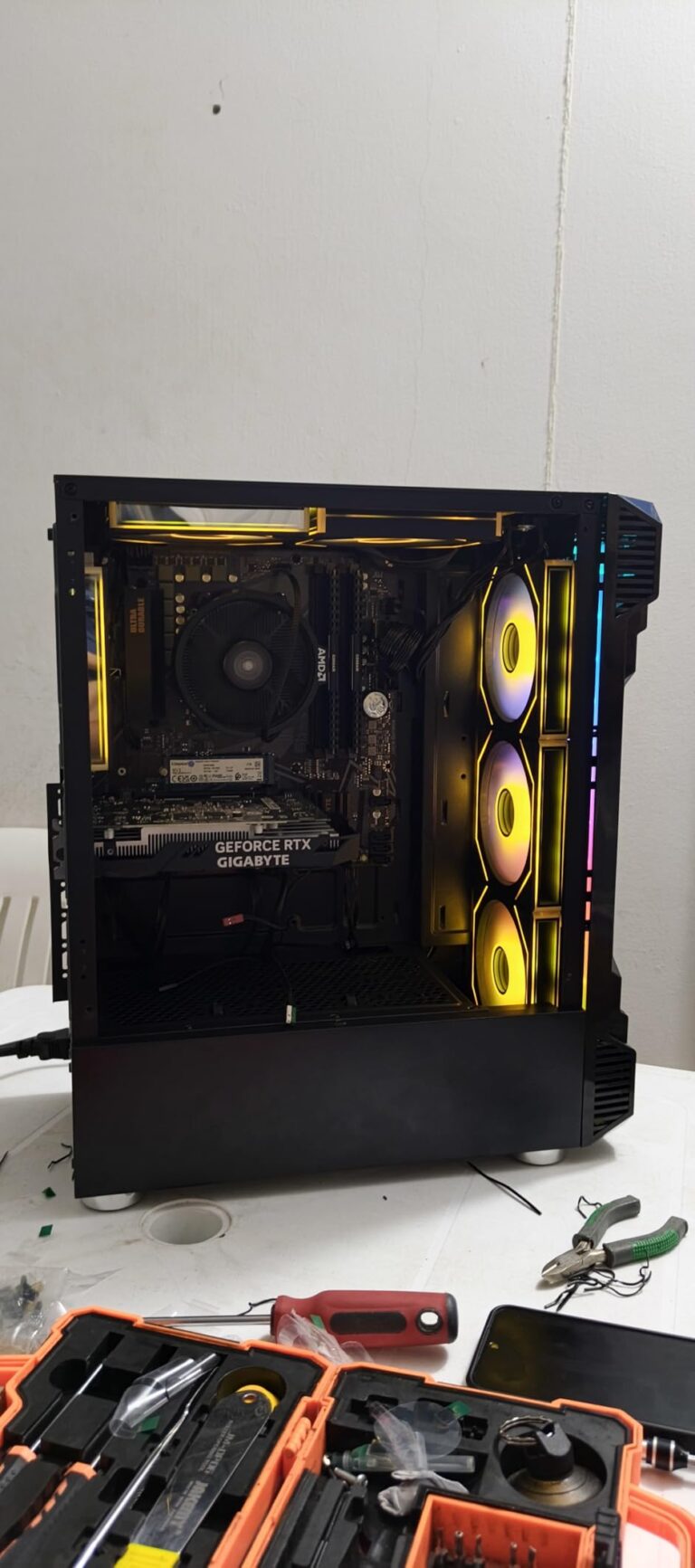

12 Best 1080p Graphics Cards March 2026 Tested B0DQK4XSC7 Customer 1 768x1733 . 12 Best 1080p Graphics Cards March 2026 Tested B0C59RVD98 Customer 1 474x1024 . Best GPUs For 1080p In 2026 Our Top Picks Reviewed And Tested For 60 Acer Nitro Intel Arc B580 Front Profile Image By PC Guide . 10 Best Graphics Cards For 1080p Gaming January 2026 Guide 41lu3TtBRaL . Best RTX 2060 Graphics Card 2026 Our Top Picks PC Guide Best GPU For 1440p 144Hz

12 Best 1080p Graphics Cards March 2026 Tested B0C8KQRH32 Customer 2 1152x1536 . 12 Best Graphics Cards For 1080p Gaming March 2026 Complete Guide B08WPRMVWB Customer 2 8 768x1366 . 12 Best 1080p Graphics Cards March 2026 Tested B0C626FFG2 Customer 2 691x1536 . 15 Best RTX Graphics Cards Of 2026 For Premium Gaming And Creativity Top Rtx Graphics Cards 2026 Yzw86 800x450 . Best Graphics Cards For 1080p Gaming 2026 Expert Reviews 41LzRZhMa1L



Best Graphics Cards For 1080p Gaming 2026 Expert Reviews B0F8L759L4 Customer 2 3 1152x1536 . 12 Best 1080p Graphics Cards March 2026 Tested B09PSHYHLM Customer 2 1 1152x1536 . Best Graphics Cards For 1080p 240Hz Gaming 2026 8 GPUs Tested B0BLZHHFMB Customer 1 6 768x1024 . Best Graphics Cards For 1080p Gaming 2026 Expert Reviews B0F8L759L4 Customer 1 5 768x1024 . Best Graphics Cards For 1080p Gaming 2026 Expert Reviews B0DQK4XSC7 Customer 2 7 768x1024